The Nigerian Electricity Regulatory Commission (NERC) has given the Lagos electricity market to the Lagos State Electricity Regulatory Commission (LASERC). The state has also set up LAISO as its independent system and market operator. According to Lagos' own figures, formal electricity supply is still below 1,000MW. The new market plan includes fourteen operators and aims to increase wheeling capacity six times.
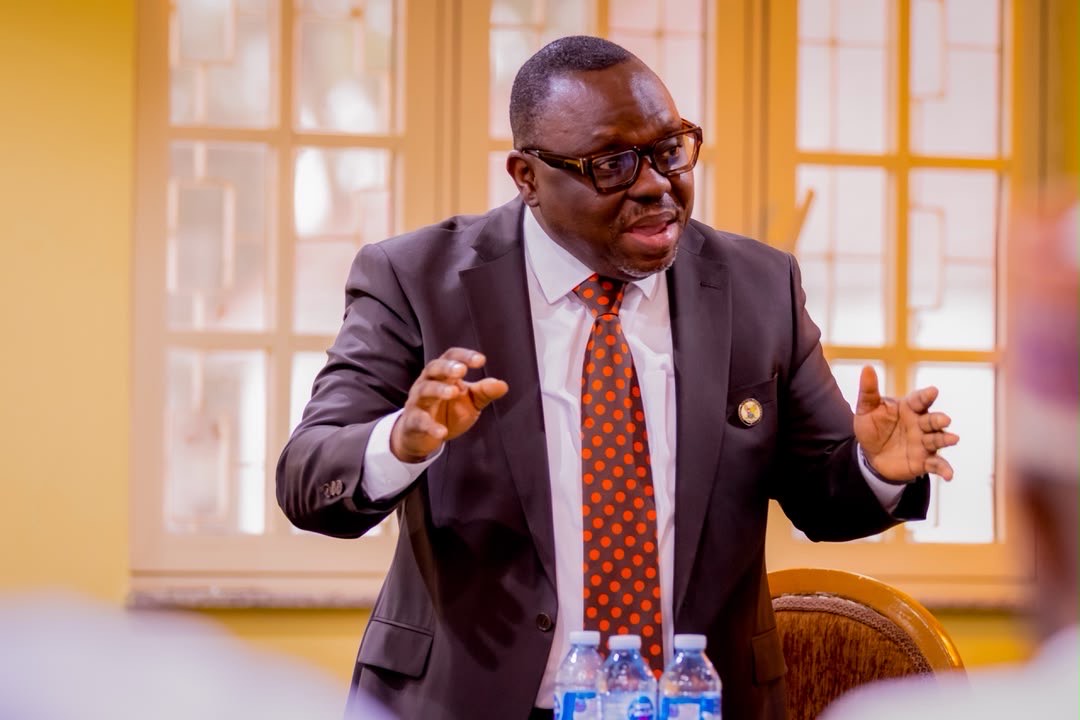
As Nigeria NOW! approaches on 19 and 20 November in Abuja, Biodun Ogunleye spoke with ENN about what this change means. He discussed what will attract investors to see the market as a good opportunity.
Lagos has taken control of its electricity market. What can the state do now that wasn’t possible before?
The main difference is that Lagos can now plan electricity based on the local economy. Before, it had to wait for electricity allocation from a central market.
With LASERC now in charge, Lagos can regulate the intra-state market. This includes licensing operators, setting service standards, making enforceable market rules, and improving areas like generation, distribution, retail, metering, and customer service. NERC officially handed over control to LASERC under the Electricity Act.
We have also created LAISO as an independent system and market operator. This means the market will clearly separate generation, networks, supply, settlement, and customer service.
Most importantly, Lagos can now gather its own demand and ensure it is met sustainably. We will structure Power Purchase Agreements (PPAs), attract embedded generation, encourage new investment, and design regulations to meet the needs of industries, communities, and customers in Lagos.
The plan includes fourteen operators. What will convince investors that Lagos is creating a real investment opportunity?
For investors, the number of operators doesn’t matter as much as whether they can work in a bankable market.
A market must answer key questions: What model are we using? Who buys the power? Who collects the money? What happens if an operator fails? Are tariffs sustainable? Is the data reliable? Are contracts enforceable?
That is why we are moving Lagos' market from "best effort" to "contractual obligation."
Operators must have clear duties around supply hours, metering, losses, reliability, customer service, investment, and network performance. Investors want bankable PPAs, predictable cash flow, transparent settlements, and reliable payment security.
The aim is to create smaller, accountable, and performance-focused operators, not just smaller versions of big monopolies.
The success of this reform will not be measured by how many licences we issue. It will depend on whether capital can enter the market, earn a good return, and improve electricity service.
Lagos wants to increase electricity wheeling capacity six-fold. Where will the funding and infrastructure come from?
We understand that generation without transmission is a wasted investment. Bringing in another 2,000MW to Lagos won’t help if we can’t deliver that electricity to factories, data centres, homes, and businesses.
Our strategy has several parts.
First, we will work closely with TCN, NISO, and the Federal Government to strengthen the transmission system, upgrade overloaded substations, and build the proposed 132kV ring around Lagos.
Second, we will invite private investment into the network. The needed investments cannot come only from government funds. We need infrastructure funds, development finance institutions, and private-sector partners to invest in substations, feeders, embedded networks, and other infrastructure.
Third, we must reform the commercial side. Investors will only put money into infrastructure if there is a credible cash flow behind it. That is why our work on PPAs, settlements, metering, and revenue assurance is tied to the physical infrastructure plans. Lagos’s framework combines transmission upgrades with more generation, distribution repairs, metering, and market settlements.
Investment follows reliable cash flows. Our job is to create both the infrastructure plan and the business setup that makes it attractive to investors.
Nigeria NOW! is asking how power can support the country’s industrial growth. Could state electricity markets be the missing link?
I believe state markets can be a key part of that link.
Electricity is used locally. Factories, industrial parks, ports, data centres, refineries, hospitals, and businesses are all located in states.
A state electricity market helps us identify high demand areas, combine that demand, and then build generation and network investments around it.
Lagos serves as a great example. We have high electricity demand, yet formal supply is still below 1,000MW. A lot of economic activity is powered by private self-generation. The demand is there; the spending is there. The challenge is making that demand part of a formal electricity economy.
If an industrial area can secure a long-term supply agreement, that demand could support a new power plant, gas infrastructure, transmission improvements, or an embedded network.
State markets shouldn’t replace the national electricity market. They can strengthen it by linking generation directly to productive demand.
When reliable electricity reaches industries, production costs drop, competitiveness rises, capacity use goes up, and job creation becomes easier.
If Lagos gets this right, how does it affect the wider Nigerian power market? What should investors be watching in the next two to three years?
If Lagos succeeds, it will show Nigeria has a working example of a decentralized, multi-market electricity system.
It will prove that Federal and State markets can exist together. The Federal Government will still play a key role in transmission, interstate trade, and the national framework, while states handle local regulation, distribution, supply, and investment.
For investors, I would keep an eye on five things over the next two to three years: the shift to a contract-based Lagos market; the addition of about 2,000MW of supply; improvements in transmission and distribution; progress towards universal communication and full metering; and the development of gas-to-power and digital market infrastructure. Lagos’s implementation framework combines all these into one coordinated plan instead of treating them as separate projects.
Our aim is to build an electricity market that can support 6GW and more, with gas, renewables, storage, embedded generation, and distributed energy all contributing.
So investors should watch for more than just another power project. They should see if Lagos can create a market where demand, infrastructure, regulation, contracts, and capital come together.
If we achieve this, it will mean much more than just for Lagos. It will give other major economic centres in Nigeria a model they can adapt to fit their own situations.


Drop your comment
No comments yet — be the first to drop the gist 👇