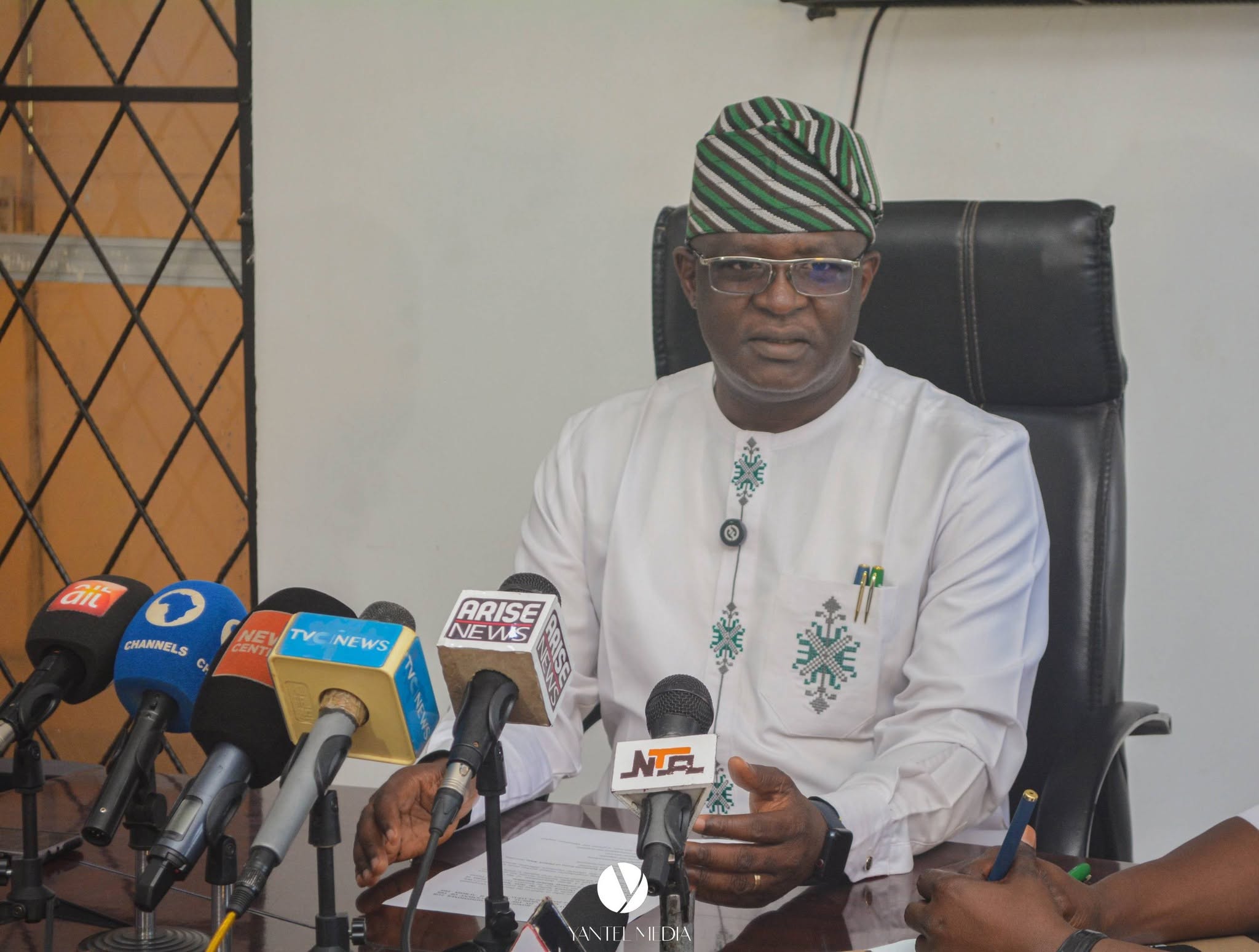
The Plateau State Government is worried about the rise in diabetes cases. They recorded 5,457 suspected new cases from January to September. This shows a need for more screening and early diagnosis.
Nicholas Ba’amlong, the state Commissioner for Health, shared this information on Monday in Jos. In 2025, the state reported 5,546 suspected cases.
At a press briefing for the 2026 World Diabetes Day, Mr Ba’amlong said these figures are for suspected cases, not confirmed ones. He warned that many people might have diabetes and not know it.
"Diabetes remains a major public health concern because many people are living with the condition without knowing their status," he said.
The commissioner also mentioned results from the 2024 nationwide Know Your Number, Control Your Number screening campaign. This campaign screened 14,359 people in Plateau State. Of those, 2,610, about 18 percent, showed high blood glucose levels.
But he cautioned against thinking these results mean a lot of people have diabetes. He explained that high blood glucose from screening does not mean confirmed diagnoses.
"The findings highlight the need to expand access to screening, diagnosis and treatment, but they do not represent the prevalence of diabetes in the state," he said.
For this year’s World Diabetes Day, the state Ministry of Health teamed up with the Plateau chapters of the Diabetes Association of Nigeria and the Endocrine and Metabolic Society of Nigeria. They held a free screening event at the Joseph Gomwalk Secretariat Complex in Jos.
Mr Ba’amlong said the event aimed to screen 1,000 civil servants. It included blood glucose and blood pressure checks, weight and body mass index assessments, health education, counselling, and referrals for further medical care if needed.
He added that the government is working to raise awareness about diabetes and expand screening services to underserved communities in all 17 local government areas through primary healthcare facilities and community outreach programs.



"The state government, under Governor Caleb Mutfwang, is working towards extending diabetes education and screening services to underserved communities across the 17 local government areas through existing primary healthcare facilities and community outreach programmes," he said.
According to him, the government is looking for partnerships and suitable medical technologies to improve access to diagnostic services, especially at the primary healthcare level. They also want to strengthen follow-up and referral systems for people with high blood glucose levels.
"Screening is only the beginning. Early detection must lead to appropriate diagnosis and treatment," he added.
The commissioner encouraged residents, especially those with a family history of diabetes, extra weight, or high blood pressure, to regularly check their blood glucose and seek medical help when needed.
He also recommended that residents live healthier lives by eating balanced diets, exercising regularly, and managing their weight. They should avoid tobacco and limit alcohol.
Mr Ba’amlong pointed out symptoms like excessive thirst, frequent urination, unexplained weight loss, and constant fatigue as signs that could mean someone has diabetes.
He urged people living with diabetes to stick to their treatment plans and attend regular medical reviews to prevent complications.
World Diabetes Day is marked every year on November 14. It aims to raise awareness about diabetes, promote prevention, and improve access to quality care for those living with the condition.


Drop your comment
No comments yet — be the first to drop the gist 👇