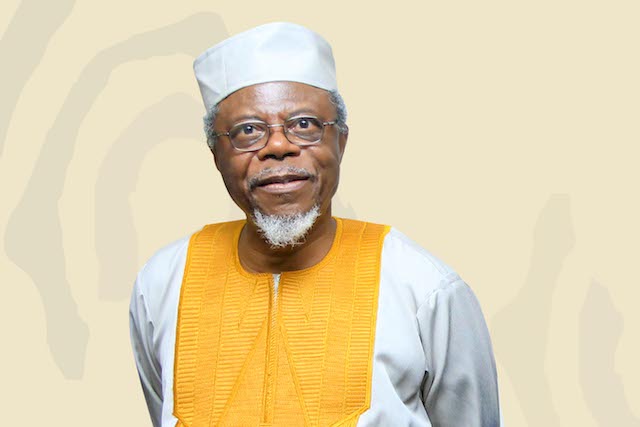
Dr Lasisi Olagunju's weekly column, called the "Monday Lines," goes beyond just politics each week. It’s an ongoing look at Nigeria’s achievements, challenges, leadership, and failures. Through his writing, he mixes political criticism with history, using Yoruba proverbs and the everyday experiences of Nigerians to discuss where the country is headed. The recent public presentation in Ibadan gives us a chance to document and preserve his work that analyzes power dynamics, describes Nigeria's situation, and brings Yoruba culture into public conversation.
On Tuesday, 24 November, Olagunju’s collection of writings got a solid platform when he launched over six books at the International Conference Centre, University of Ibadan. These books include his columns, book reviews, and lectures. They give readers a chance to see his intellectual depth beyond just his newspaper articles. This launch is also a moment to think about the role of journalism in keeping national memory alive and holding leaders accountable. My interest in Olagunju’s work has been strong. I admire his courage, eloquence, and critical thinking. This kind of analysis moves the talk from just praising a journalist to building an intellectual tradition that is often not linked with popular writing. The showcased works are serious and meant for deep thinking, not just for an audience looking for entertainment and easy reads.
In a previous piece, I called Olagunju an evaluator of Nigerian society. This is because he does more than just report facts; he looks at the situations that lead to those facts, spots trends, and questions what those trends mean for society. A society needs people who can keep evaluating situations and reporting on their findings to understand what is happening.
This understanding helps us see why Olagunju’s writings matter. He tackles ongoing issues in Nigeria: political leadership, governance, insecurity, economic troubles, ethnic and religious conflicts, and the growing gap between citizens' hopes and their leaders' actions. His topics may be timely, but his concerns are timeless. What does leadership mean in a country that is insecure and suffering economically? Why do political actions often lack real results? What happens when institutions fail to meet citizens' needs? These are not just short-term news topics. They are about Nigeria's political growth and the role of citizens. Olagunju’s value partly comes from his commitment to addressing these tough questions, even when they are no longer in the spotlight and when many journalists either fear these issues or ignore them.
Olagunju has a talent for making complex issues clear. He uses stories and sayings effectively. For instance, he shares the familiar tale of mice who know that a cat is a threat but cannot find anyone brave enough to put a bell on it. He uses this story to show how hard it can be to confront powerful people. Recognizing a problem is simple; taking action is much harder. This highlights the difficulty of holding powerful people accountable. Olagunju is a voice willing to confront authority, no matter their political party. This is crucial in a democracy. Political power should not escape criticism just because it is powerful or popular. The press has the right and duty to challenge politicians, analyze government actions, and highlight the consequences of political failures. While columnists may not set policies, they can help outline important issues needing attention.
We see the relevance of this kind of journalism in Nigeria, where political discussions can get messy due to personal loyalties and convenience. Here, criticism often focuses on who is speaking rather than the strength of their arguments. Olagunju rightly notes that political actions should be judged on their impact on society. Accountability must never be selective.
Yet, Olagunju's journalism covers more than just politics. A unique aspect of his writing is how he weaves Yoruba history, culture, and language into his analysis of current political events. His use of stories, proverbs, literature, and idioms goes beyond style; it’s a key part of his intellectual strength. He uses cultural knowledge to make sense of today's politics and moral questions. This blend of public intellect and cultural insight shows that Olagunju is truly a scholar.
It’s important to recognize these unique traits in Olagunju’s work. He skillfully switches from English to Yoruba rhetoric. This style brings together cultural authenticity and wider appeal. This approach is significant not just for literature but also for today’s political and social issues, as it highlights the lasting importance of Yoruba and African intellectual traditions.


Olagunju’s columns invite us to join a crucial conversation about language, knowledge, and culture. Many African writers use colonial languages but draw from their cultural roots. Olagunju’s work shows how Yoruba proverbs, folktales, and history can be used to make political points and critique leaders’ actions.
His ability with language and political analysis makes his columns valuable not just for newspaper readers but also for students of literature, history, political science, and journalism. In his book "Cowries of Blood: Essays on Herdsmen, Banditry and Nigeria’s Endgame Politics," Olagunju addresses national issues from March 2012 to August 2021. These essays look at insecurity, political leadership, violence, and the struggles of Nigerian citizens. My review of this book highlights the heavy price Nigerians pay due to insecurity and failed politics.
Transforming columns into books offers benefits beyond making history more accessible. It creates new historical documents for future study. While government records are vital for researching a country’s history, these should include the voices of everyday citizens as well. When such writings survive, they become part of our history and academic resources, letting future generations grasp the intellectual climate of their times.
Olagunju’s book launch raises a broader issue about preserving Nigeria’s intellectual history. Nigeria has many journalists and thinkers whose works contribute greatly to national discussions. But much of their writing is scattered across newspapers, online, and in private files. Compiling these writings is both a preservation effort and an invitation to engage with them again. The books can serve universities, research groups, journalism schools, and readers studying Nigerian politics, media history, culture, and citizen-government relationships. Ultimately, the significance of these books will not depend solely on their existence but on how much they are read, discussed, and analyzed.
We should also consider the importance of this event within the changing media landscape. While digital media has made publishing easier and broadened participation in discussions, speed does not always mean depth. The rush to respond can overshadow thorough research and analysis. Olagunju’s long career reminds us of key journalism qualities like consistency, preparation, language, and editing. This doesn’t mean journalism can’t grow or that newspaper columns can’t face criticism. Journalists need to keep fighting for independence, accuracy, courage, context, and public interest. Evaluating columns should focus on their arguments, not just language.
There’s another factor tied to this event, especially because of its location. Ibadan is known as Nigeria’s intellectual capital, home to the University of Ibadan, famous for its debates and global influence. Holding this presentation at UI’s International Conference Centre makes sense, as it connects journalism, scholarship, language, and national development. This is also fitting for the city’s culture, where much of Olagunju’s writing takes place.
In conclusion, the presentation of these books shows Olagunju’s productivity and the importance of journalism in social debates. His books explain national challenges and use culture to better understand today’s reality. This is a chance to introduce his work to a broader audience, inspiring new generations of readers and writers to value public discourse and engage with the bold ideas of a public intellectual who has made a lasting mark.

Drop your comment
No comments yet — be the first to drop the gist 👇