Nigeria's digital booking market is growing fast. Services like short lets, ride-hailing, restaurant bookings, event tickets, and special experiences are taking up a big part of leisure spending, especially in Lagos, Abuja, Port Harcourt, and Benin. In 2025, the short let market in Lagos was expected to bring in around N281 billion in revenue, according to Edala Development, as reported by Nairametrics. Ride-hailing services have also shifted a lot of daily transportation away from informal taxis.
But the rules to protect consumers in this market are not keeping up. The Nigerian booking sector has expanded without clear regulations, and this gap is becoming a serious issue.
Where the gaps are
The problems are most clear in the short let market. Many consumers have shared their complaints. There are fake listings that steal pictures from real operators and post them with a scammer's contact. Some properties do not match the pictures shown online. There are also surprise fees that pop up at check-in. Some agents take deposits and then disappear.
All these issues break consumer contracts. But most customers have no real way to seek help. Transactions often happen on WhatsApp, into personal accounts, without official invoices, and without any platform to enforce rules. Consumers can only rely on informal pressure, post complaints on social media, or file a police report, which usually goes nowhere.
The ride-hailing market has its own set of issues. There are cancellations when picking up at airports. Some drivers ask for cash outside the app. Safety incidents are handled differently by various platforms. The event ticketing sector also sees complaints about sold-out shows and disputed refunds. Each area has its own complaints, but they all lack clear rules.
The regulatory landscape
The Federal Competition and Consumer Protection Commission is in charge of consumer protection in Nigeria. The FCCPC has broad authority that should cover online booking platforms and their transactions. The Commission has been active in areas like digital lending and has sometimes issued guidelines about e-commerce.
But regulations specific to the booking sector are lacking. The Ministry of Tourism does not have a public consumer-facing framework for short let booking standards. State governments are inconsistent. Lagos state placed a partial ban on short lets in Banana Island in early 2026 and is working on adjusting taxes for short-term rentals. These actions show growing interest in the sector but not a united national approach.
As a result, the market mainly operates on private rules. The existing rules are those that individual platforms decide to enforce.
Private sector efforts
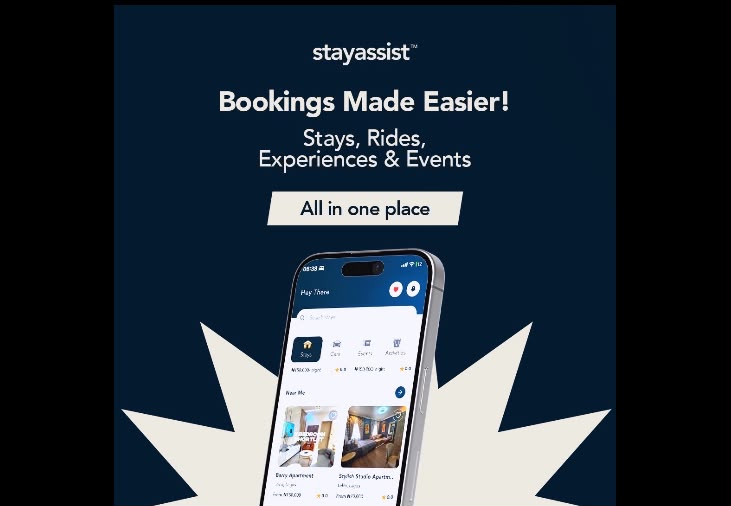
Some private platforms are trying to fill the gaps. A group of Nigerian booking companies now verifies listings before posting them, holds payments through their platforms instead of giving them to hosts right away, and gives formal booking records with clear cancellation and refund policies. StayAssist, a Nigerian hospitality tech platform started in 2025, works in Abuja, Lagos, Port Harcourt, and Benin. It uses the same verification method for its short lets, ride bookings, curated experiences, and event tickets. Property owners who want to list must go through a separate portal. Other companies like Spleet, Muster, NimbleCasa, and MyCribb are also part of this landscape.



These platforms are making a difference, but they cannot replace public regulations. Their reach still covers a small part of Nigerian short let listings. Their standards are voluntary and only apply within their own systems. Customers still face limited options if a problem goes beyond what the platform can resolve.
What a fair response would look like
A fair response to the consumer protection gaps in Nigeria's booking economy does not need to create new regulations. It can include several straightforward steps.
First, the FCCPC should clearly state its role concerning online booking platforms and publish guidance on the minimum consumer protection standards it expects. This would help platforms know what to build and give consumers a clear idea of the standards they can demand.
Second, there should be a minimum standards code for short let hosts, created with input from industry players. This could include verification rules, required disclosure of all fees before booking, clear refund and cancellation policies, and dispute resolution standards.
Third, there should be an easy and accessible complaint channel for consumers. The current situation, where complaints go to the FCCPC, state consumer bodies, the police, or nowhere at all, makes it hard to get help. A single, online complaint channel with published response times would greatly improve the situation.
Fourth, there should be a commitment to collect data. The National Bureau of Statistics only shares limited information on the digital hospitality market. Regular public reports on booking complaints, how long it takes to resolve them, and consumer confidence would help both regulators and the industry see where the problems are.
Why this matters
This issue is not just about individual experiences, even though they can be painful. It's also about the future of Nigeria's consumer economy. Sectors that do not build proper consumer protection frameworks often rely on informal channels, which deepens trust issues and slows growth. On the other hand, sectors that create clear frameworks attract more investment, better operators, and more consumer involvement.
Nigeria's booking market is at a turning point. The private sector has started to build the trust needed for a mature market. The public sector has not yet provided the support a mature market needs. Fixing this gap should be a priority. The economic reasons are clear. So are the needs of consumers.




Drop your comment
No comments yet — be the first to drop the gist 👇