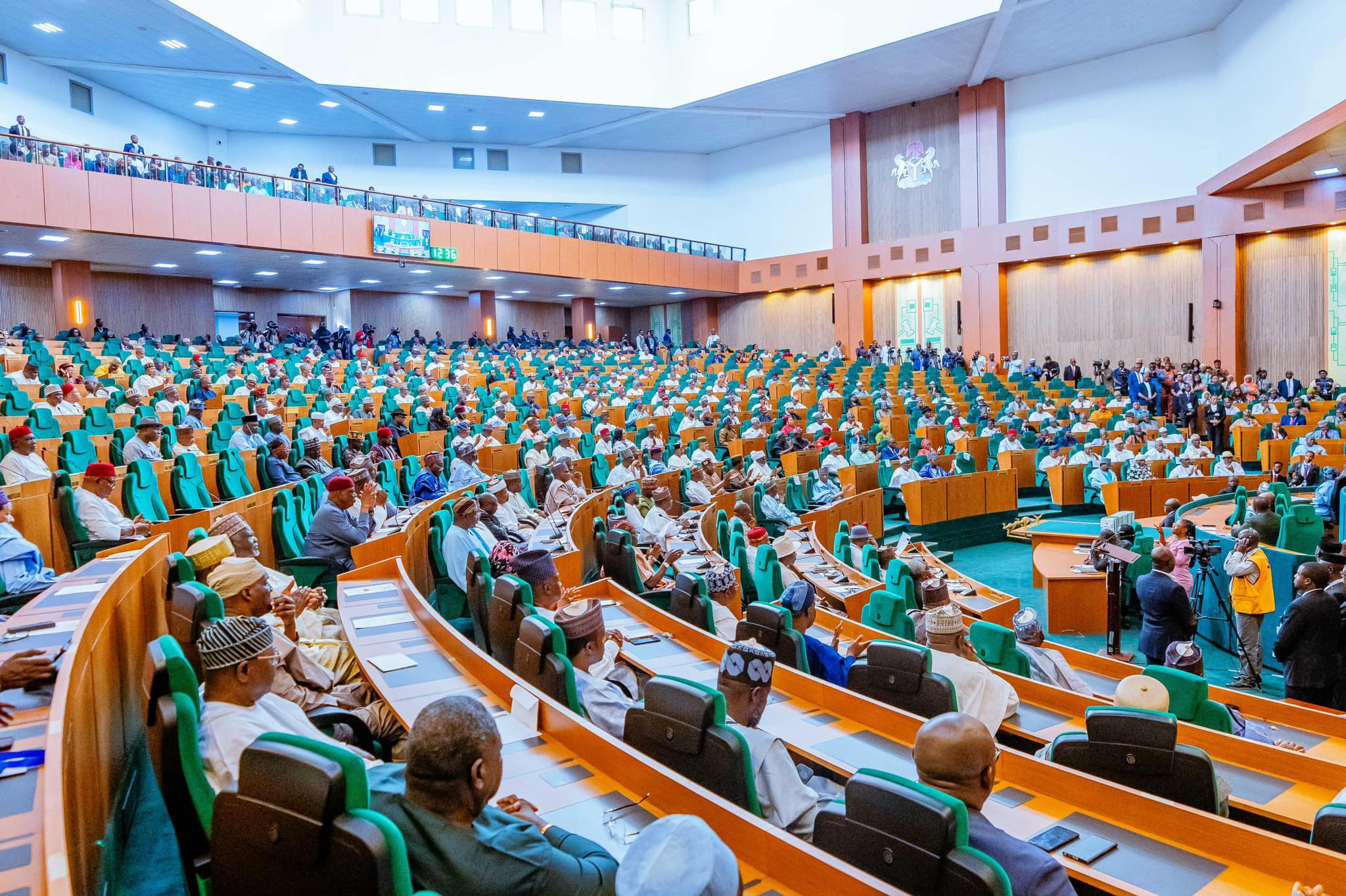
The House of Representatives on Tuesday called on the federal government to stop the recent rise in school fees and other mandatory charges by public tertiary institutions. They warned that this increase could threaten the goals of the Nigeria Education Loan Fund (NELFUND).
This call came after Ifeoluwa Ehindero, a member from Ondo State, raised the issue during a plenary session. He noted that many public universities, polytechnics, and colleges of education have raised their fees by over 100 percent in some cases. This could create problems in how education loans are distributed and make it harder for students from poorer families to get a higher education.
Ehindero explained that the NELFUND was set up by the federal government to provide interest-free loans to students who cannot afford school fees. This scheme helps students pursue their education without money worries.
He pointed out that the loan system was based on existing tuition fees and costs at schools. Sudden fee hikes could threaten how fair and effective the scheme is.
"Education is the cornerstone of national development and is recognised as a fundamental state objective under Section 18 of the Constitution of the Federal Republic of Nigeria, 1999 (as amended)," Ehindero said. He referred to a part of the Constitution that says the government should make sure everyone has equal and enough chances for education at all levels.
The lawmaker raised worries that the fee increases were happening without enough discussion or consideration of the tough economic situation many Nigerian families face. He warned that if these increases continue, it might lead to more students dropping out, unrest on campuses, and less trust in the government's commitment to making education affordable.
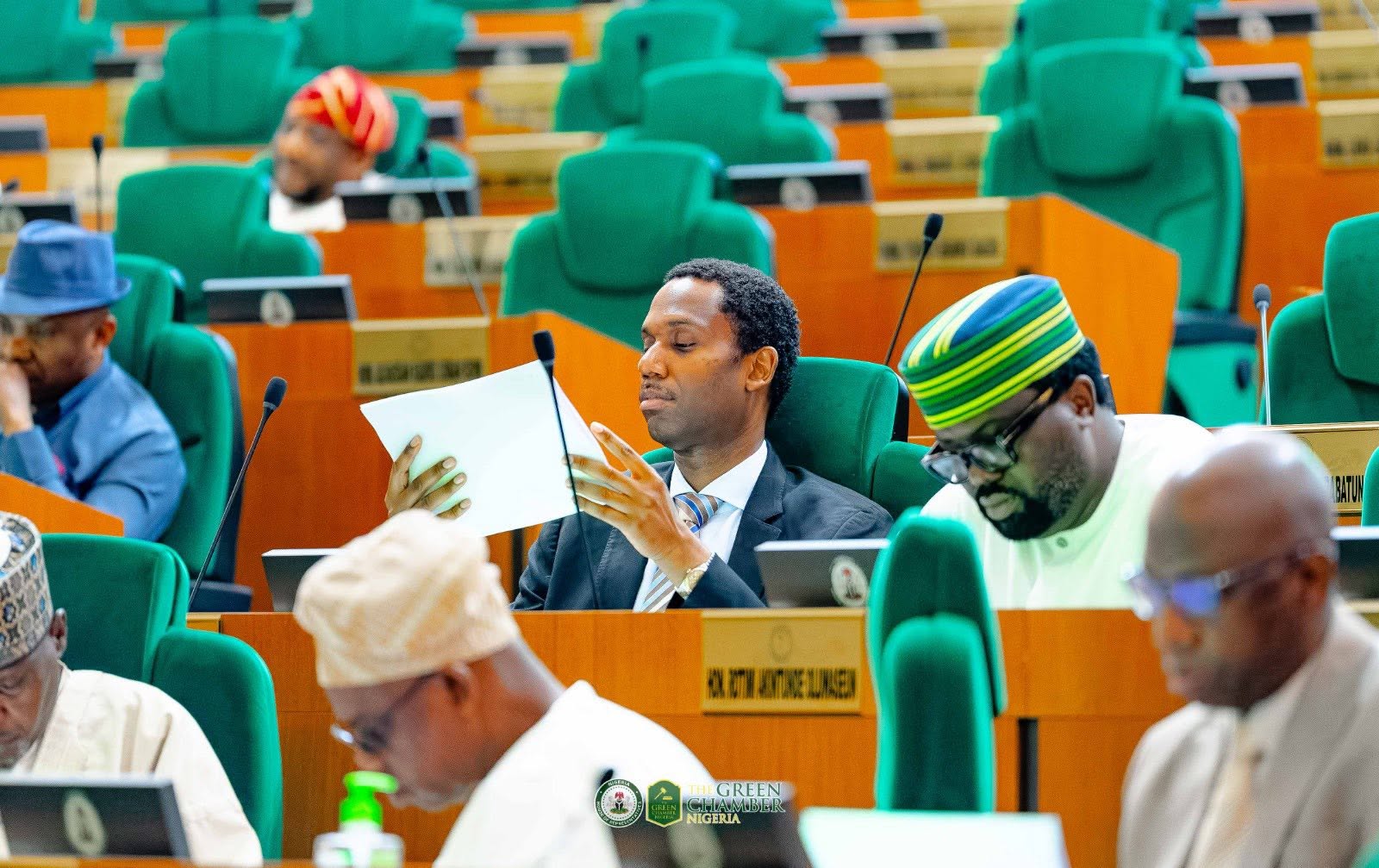


Ehindero urged the federal government to provide more financial support to public tertiary institutions. This would help reduce their need to rely on money from student fees. He also asked the Federal Ministry of Education and the National Universities Commission (NUC) to talk with the management of public tertiary institutions. They should work together to put a stop to fee increases and review tuition structures to fit the current economic situation.
The House also directed its Committees on University Education, Federal Polytechnics and Higher Technical Education, and Federal Colleges of Education to look into how much public tertiary institutions have raised their fees and why.
Inyang Emil, a member from Cross River, seconded the motion, and it was accepted without debate. The Speaker, Abbas Tajudeen, who led the session, sent the issue to the relevant committees for further action.
NELFUND was set up under the Students Loans (Access to Higher Education) Act 2024 to manage the federal government's student loan program. The fund offers interest-free loans to qualified Nigerian students to cover school fees and, if needed, living costs. The aim is to break down financial barriers to higher education. The loan program is available to eligible students in public universities, polytechnics, colleges of education, and other approved higher institutions, with fees paid directly to the schools.



Drop your comment
No comments yet — be the first to drop the gist 👇