---
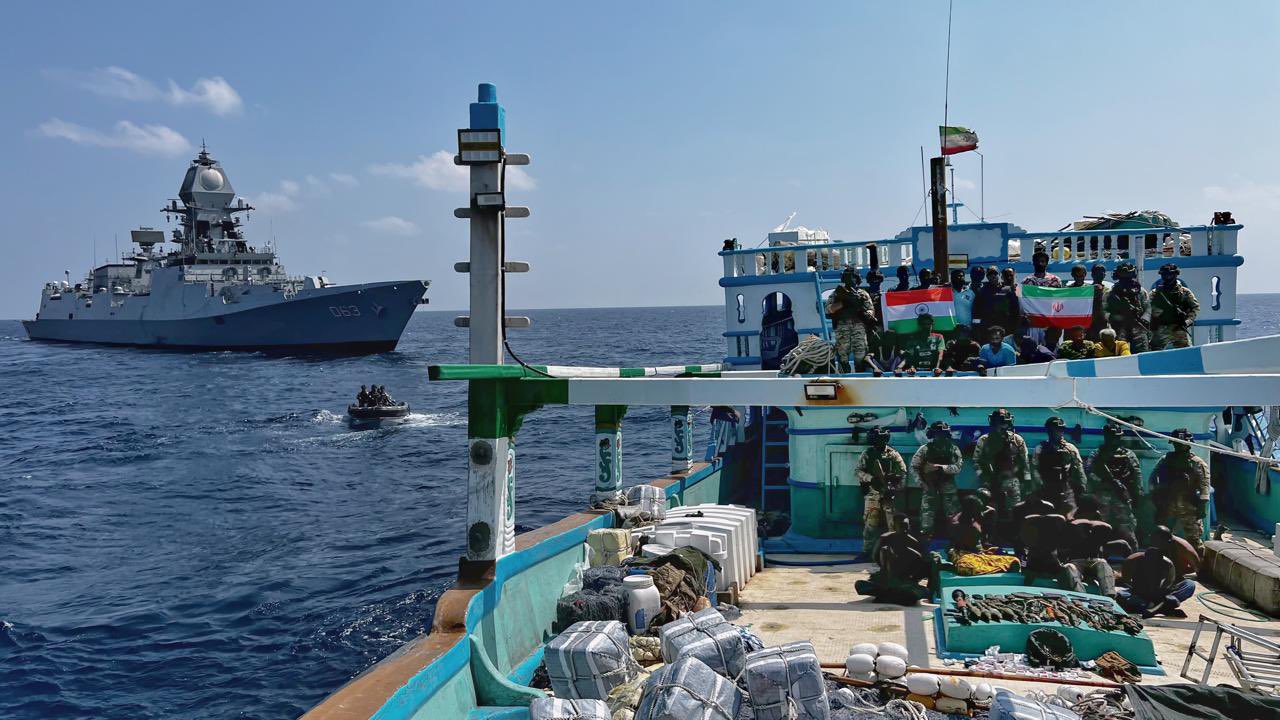
Piracy is back on the rise off Somalia's coast. So far this year, local pirates have hijacked nine ships. The latest incident happened on 29 October when the Iranian fishing vessel Azini was attacked near Puntland. India’s navy intervened, rescuing the crew and the ship. This prevented the pirates from using it to target other commercial vessels.
This spike in piracy has raised concerns about maritime security. It is also causing more problems for global shipping, especially with the ongoing war in Iran and rising prices for consumers.
The geography of Somalia contributes to the piracy problem. Puntland is at the center of this issue and has been since the early 2000s. Somalia has the longest coastline in mainland Africa, and most of it is in Puntland.
The security presence in Puntland is mainly focused on the inland area between Bosaso and Galkayo, where the main urban centres are. This leaves the rugged and isolated coastline unmonitored, allowing pirates to operate from remote fishing villages.
Government Forces and Foreign Naval Support
Nonetheless, Puntland's government forces, including the Puntland Maritime Police Force which was set up in 2013 with support from the United Arab Emirates (UAE), have been the first line of defence against piracy. They have chased down pirates in urban areas, interrupted their supply routes, and taken down their hideouts on land.Foreign naval forces are also active in the region. The European Union Naval Force Operation Atalanta, along with forces from China, India, Japan, South Korea, and Russia, are tasked with protecting their vessels off the coast of Somalia.
These various forces helped keep piracy under control in the past, but they are not working as effectively now. Internal and external issues have made the situation worse.
Puntland’s efforts to fight piracy are facing challenges from security and political issues. Since December 2024, Puntland's security forces, with help from external partners like the United States (US), have pushed back against Islamic State in some mountainous regions while also dealing with al-Shabaab. This focus on fighting terror groups is stretching Puntland’s security resources.
At the same time, the Puntland Security Force (PSF), which is a US-trained counter-terrorism unit, had a fallout with the Puntland government over its autonomy and leadership structure. In 2024, the PSF declared loyalty to Somalia’s federal government, causing friction between Puntland and Mogadishu. After clashes, the PSF was defeated.
Puntland President Said Abdullahi Deni is expected to run for national president in May 2027. He sees the PSF as a threat to his power. Recently, the federal government has used force against state leaders who resist its agenda, including in Jubaland and South West states. The PSF conflict distracted Puntland's leaders from the rising piracy issue, allowing it to grow.
External Factors Affecting Piracy


To effectively tackle piracy, responses must fill these gaps and work together across international, federal, and state levels. So far, responses have been isolated, with foreign forces often using military action.
On 29 August, the federal government reported that Türkiye’s navy rescued the MV Lutuf cargo ship, killing 14 pirates and destroying four small boats. Puntland disagreed, claiming Mogadishu and Türkiye paid a US$2.5 million ransom.
Despite this disagreement, Türkiye’s actions resemble those of the US under President Donald Trump, highlighting a shift toward more aggressive military responses by foreign navies. In early 2026, Trump compared Somali pirates to drug cartels in Latin America, stating that the same missiles used against drug traffickers were being used against Somali pirates.
However, Somalia's vast coastline is too large for the few foreign naval vessels to patrol effectively. The ongoing war in Iran has also reduced interest in a big international anti-piracy operation. Pirates are now using drones, satellite internet, and GPS, giving them better ways to watch maritime activities and find targets.
Challenges in Anti-Piracy Efforts
The selective use of military force by foreign nations complicates the situation. In the case of MV Lutuf, Türkiye intervened because the ship was carrying military equipment and communication systems for Turkish military training in Mogadishu.While foreign naval operations may bring short-term results, they can also backfire. Many Somalis see foreign naval forces as part of the problem, involved in illegal fishing and waste dumping, a view local leaders share.
By going after young men who turn to piracy after losing jobs to illegal fishing, foreign navies risk reinforcing the idea that they ignore Somali lives. This can harm efforts to fight piracy, which need strong public backing to succeed. It may also deepen the issues that led to piracy in the first place, creating more sympathy for pirates.
The lack of coordination between Somalia’s federal and state authorities is also a hurdle, shown by what happened after the operation to free MV Lutuf. After defeating the PSF, Puntland launched its own anti-piracy military mission. They freed three captured vessels and caught many pirates, but five crew members died and four were wounded.
The piracy threat has now spread to another federal state, as pirates took the captured vessel Asana from Puntland’s coast to Galmudug.
Countries like the US, Türkiye, and the UAE should help strengthen Somalia’s maritime security and improve relations between federal and Puntland authorities. Both Puntland and Galmudug need to lead anti-piracy operations and ensure a permanent police presence along their coasts to stop pirates from gaining ground.




Drop your comment
No comments yet — be the first to drop the gist 👇