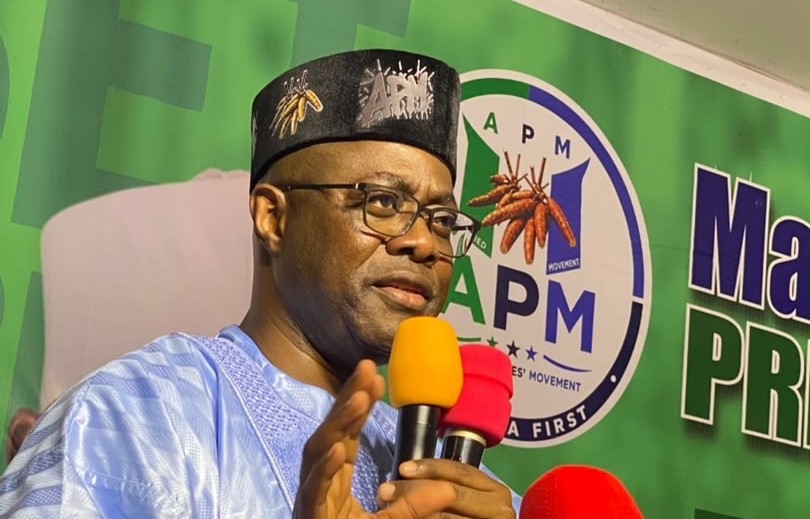
The 2027 presidential candidate of the Allied Peoples Movement (APM), Seyi Makinde, wants to change how primary healthcare works in Nigeria.
His plan is in the RESET Nigeria Agenda manifesto. It was launched on 4 November in Abuja. The goal is to boost healthcare programs and make sure people can access important services.
"We will make existing health reforms work as one delivery system, beginning with primary healthcare and the services responsible for the greatest preventable loss of life," the manifesto says.
Nigeria has several programs to improve primary healthcare, like the Basic Health Care Provision Fund and the National Health Insurance Authority (NHIA) Act. But, the manifesto says these programs have not always provided reliable services for patients.
It points out that public facilities are poorly equipped, patients pay for healthcare directly, referral systems are weak, and responsibilities among government bodies are unclear.
"Too many public healthcare facilities cannot provide dependable services; families still pay directly for care they cannot afford; patients are referred without a functioning route to the next facility; and responsibility is divided among governments and agencies without a clear guarantee to the patient," it added.
State of primary healthcare
Mr. Makinde’s plan comes as Nigeria's primary healthcare system faces many problems, like not having enough health workers, lack of medicines, and poor infrastructure.
A 2026 assessment by Orodata Science and Civic Tech found that 97 percent of 1,480 primary healthcare centers in 16 states did not meet national staffing standards.
The assessment looked at facilities in 277 local government areas across six zones, raising worries about their ability to provide essential healthcare.
At the recent third Nigeria Health Sector Joint Annual Review (JAR), the Federal Ministry of Health and Social Welfare said that 3,526 primary healthcare centers had been improved, with work ongoing on another 900 facilities.
Essential primary-care guarantee
Mr. Makinde says his administration will boost current healthcare programs and set up an essential primary-care guarantee. This will list the services that public health facilities must provide.
"Within our first year, the federal government will agree with states on a published essential primary-care guarantee," the manifesto says.
The proposed guarantee will detail the services participating facilities must offer, the requirements for operating, the medicines and staff needed, and the government responsible for fixing any issues.
This plan aims to solve the problem where primary healthcare facilities exist but do not reliably provide necessary services.
To get this done, just building or renovating a primary healthcare center is not enough. Facilities must also offer the services outlined in the proposed guarantee, have the right medicines and staff, and keep functional referral systems.
The manifesto also suggests making information about publicly funded health facilities and their expected services available to Nigerians, including where they can report failures.
Healthcare funding
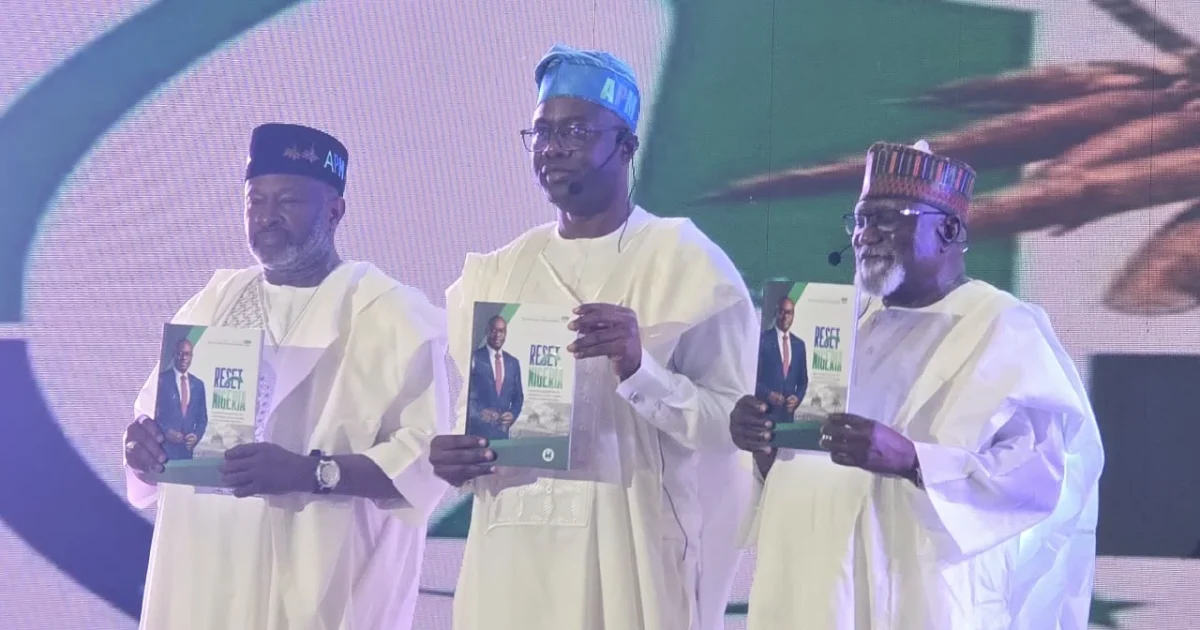

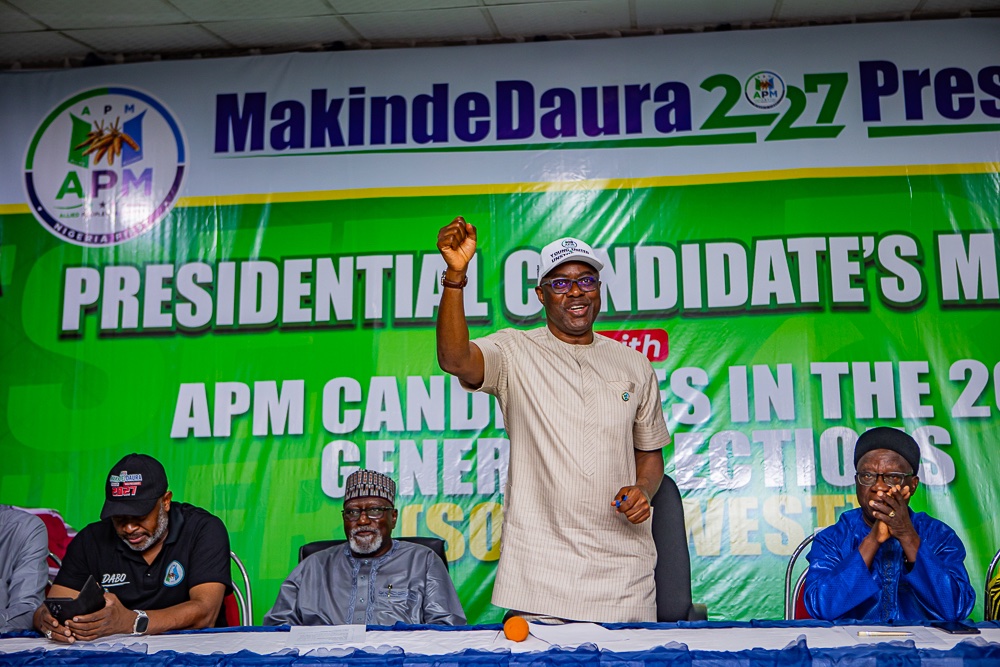
The APM candidate also wants to change how federal healthcare money is shared. The focus will be on verified service delivery instead of just having buildings or submitting papers.
"Federal health funding will increasingly follow verified service delivery rather than the existence of a building or the submission of paperwork," the manifesto states.
This proposal aims to link public funding more closely to the actual services that healthcare facilities provide.
Under this plan, Nigerians can check which facilities get funding, what services they should provide, and where to report failures.
The manifesto also plans to publish, within the first 100 days of the administration, the essential health service guarantee to be achieved within three years and a verified baseline to measure access, quality, and financial protection.
Plans for health insurance, maternal care
On health financing, Mr. Makinde promises to improve how poor and vulnerable Nigerians are enrolled in health insurance schemes through existing federal and state bodies.
"We will strengthen the system through which poor and vulnerable Nigerians are enrolled in health insurance, using existing federal and state institutions," the manifesto states.
The plan also aims to improve coordination among state health insurance schemes. This will ensure Nigerians do not lose access to services when they move between states.
"No Nigerian should lose access to covered care merely because they move from one participating state to another," it added.
Maternal healthcare, childhood immunization, emergency stabilization, and treatment of diseases causing preventable deaths are also highlighted as priorities.
"Maternal care, childhood immunisation, emergency stabilisation and treatment of the diseases responsible for the greatest preventable deaths will receive priority," the manifesto states.
Three-year implementation plan
The manifesto outlines a three-year plan for the proposed healthcare reforms.
In the first year, the administration promises to agree with states on the essential primary-care guarantee, establish the services participating facilities must provide, and publish a baseline for measuring progress.
In the second year, it plans to fund verified healthcare services, expand health insurance enrollment, and strengthen referral systems.
By the end of the third year, the administration expects more Nigerians to access guaranteed services and fewer households to face high health costs.
The manifesto says its main goal is to ensure that "more people can obtain the guaranteed services, fewer households face catastrophic health costs, and eligible citizens receive timely, traceable support with functioning appeals."
Drop your comment
No comments yet — be the first to drop the gist 👇