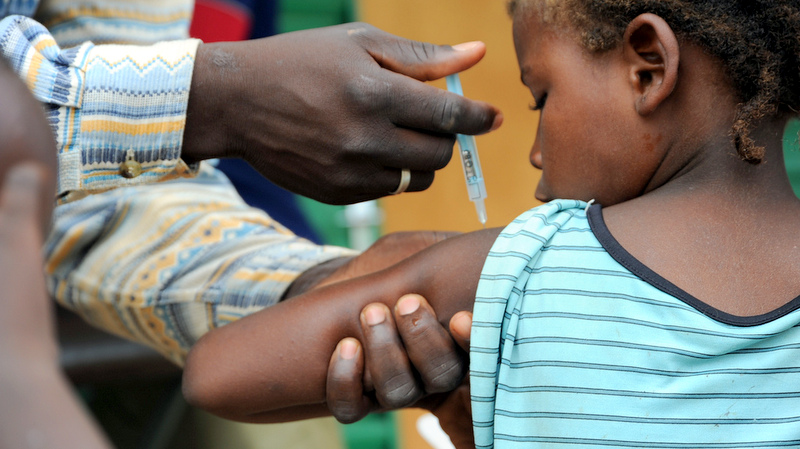
Health officials in Anambra, Ebonyi, and Enugu states say they are boosting vaccination against Meningitis and other diseases linked to the heatwave.
The officials shared this news in separate interviews with the News Agency of Nigeria (NAN) due to the rising heat and the risk of meningitis outbreaks.
They confirmed that they are taking part in statewide and Primary Health Care (PHC) routine vaccinations. They also urged residents to stay in shaded areas, live in well-ventilated homes, and drink plenty of water to stay hydrated.
Meningitis is the swelling of the protective membranes (called meninges) that cover the brain and spinal cord. This condition is serious and can be life-threatening, needing immediate medical help.
Symptoms include a high fever, cold hands and feet, a stiff neck, light sensitivity, confusion, nausea, vomiting, muscle or joint pain, a purple rash, irritability, poor feeding, and sleepiness or difficulty waking up.
A call to Anambra parents
In Anambra, Chizoba Ezeasor, the executive secretary of the Anambra Primary Healthcare Development Agency (APHCDA), urged parents and caregivers to bring their children for vaccinations against diseases, including meningitis.
Dr Ezeasor said meningitis is a preventable illness. Vaccination is one of the best ways to protect children and communities.
She mentioned that APHCDA offers routine childhood vaccinations through PHCs in the 21 local government areas of Anambra.
The executive secretary encouraged parents and caregivers to ensure their children get all vaccines as per the national immunisation schedule.
"For Anambra, the meningitis vaccine is part of the routine childhood vaccination schedule at nine months, along with measles and yellow fever vaccines among others.
"We also advise parents and caregivers to make sure children drink enough clean water throughout the day to stay hydrated during the heat.
"Breastfeeding mothers should breastfeed infants often and keep children out of direct sunlight, especially between late morning and afternoon.
"We must ensure that homes and classrooms are well ventilated and never leave children alone in parked cars," she said.
In agreement, Chukwudi Okani, a professor and histopathologist at Chukwuemeka Odumegwu Ojukwu University Medical College in Anambra, said heat-related illnesses include dehydration, heat exhaustion, heat stroke, worsening of asthma, and meningitis.
Mr Okani pointed out that various organisms, including Meningococcal bacteria and viruses, can cause meningitis. He advised parents not to ignore signs like persistent fever, severe headache, neck stiffness, and repeated vomiting.
We’re taking proactive steps in Ebonyi, Official
In Ebonyi, the state government said it bought vaccines and sent health workers to communities to prevent meningitis outbreaks.
Gabriel Ajah, the State Director of Public Health, said the government is taking steps to protect residents from rising temperatures and the ongoing heatwave.
"Currently, there are no reported meningitis cases in the state. We have enough vaccines and are educating people on how to deal with the heat," he said.



Dr Ajah explained that their efforts aim to strengthen disease surveillance, improve early detection, and ensure quick responses to suspected cases across the 13 council areas.
The director added that the government is collaborating with health partners and workers to ensure that residents can access vaccines, medical care, and proper treatment.
He urged residents to stay alert and quickly report meningitis symptoms to the nearest health facility instead of self-medicating.
Ajah also highlighted the need for public awareness and community involvement in stopping the spread of heatwave-related diseases. He noted that Mondays have been set aside for vaccination in PHCs to make it easier for people to access.
He encouraged residents to take advantage of the vaccinations and get information from health workers about available preventive services.
The director called on community leaders, traditional rulers, and others to support government efforts by informing residents about the importance of vaccination, good hygiene, and quick medical attention.
Abakaliki residents express worry
Some Abakaliki residents voiced concerns about the ongoing heatwave and the lack of awareness about its prevention and remedies.
Jane Akpoke, a retired teacher, asked for stronger awareness campaigns, especially in rural areas about the health risks of the heatwave.
Mrs Akpoke noted she had seen health workers going around to give vaccines. She said ongoing public education would get more residents involved in the vaccination efforts.
Another local, Chike Osondu, called for religious and market leaders to join the awareness campaign so that more people learn about meningitis prevention and vaccination.
In Enugu State, the Commissioner for Health, George Ugwu, reported that the state has not seen any meningitis or heatwave-related diseases.
Professor Ugwu said the state has effectively managed heatwave-related diseases through routine and special Meningitis A vaccinations for children aged zero to five for many years.
He said over one million children are targeted in each vaccination exercise.
"Even with many areas of the state close to rain forest, we take our routine Meningitis A vaccination for children seriously. Sometimes, we give special meningitis vaccinations if there are concerns in nearby states.
"Vaccination against meningitis and heatwave-related diseases has been effective so far in protecting our children," he said.
Mr Ugwu also advised residents to live in well-ventilated homes, avoid crowded places with poor airflow, and seek medical help if they develop a sudden fever.
Eddy Ndibuagu, a professor of Community Medicine, mentioned that heatwaves could lead to Meningitis. He advised residents to stay in shaded or air-conditioned areas.
Professor Ndibuagu, from Enugu State University Teaching Hospital, suggested avoiding places that make you sweat a lot and wearing light-colored clothes, as dark clothes absorb heat. He also urged people to limit walking or farming under the sun and to drink plenty of water after such activities.




Drop your comment
No comments yet — be the first to drop the gist 👇