
The National Assembly has sent its plan for state police to the 36 state Houses of Assembly for their review and approval. This follows the rules for changing the 1999 Constitution.
The Clerk to the National Assembly, Kamoru Ogunlana, shared this news in a statement on Wednesday. He confirmed the transmission of the Constitution of the Federal Republic of Nigeria, 1999 (Sixth Alteration) Bill, 2026, to the state assemblies.
Ogunlana, who is a lawyer, did not mention the state police proposal specifically in the resolutions included in the amendment bill sent to the state assemblies. He simply stated that the constitutional amendment bill was sent to the 36 state Houses for their consideration.
"The National Assembly has begun the next step in the constitutional alteration process with the transmission of the Constitution of the Federal Republic of Nigeria, 1999 (Sixth Alteration) Bill, 2026 to the Houses of Assembly of the 36 States for their consideration and approval.
"The Clerk to the National Assembly has, following the directive of the leadership of the National Assembly, sent the Bill to the state Houses of Assembly as required by Section 9 of the Constitution of the Federal Republic of Nigeria, 1999 (as amended) today, 16th September, 2026," he said.
The National Assembly is looking at over 30 proposals to change the 1999 Constitution.
The plan to create state police is the only amendment that has been approved by both chambers of the National Assembly so far.
For this proposal to become law, it needs to be approved by at least two-thirds of the 36 state Houses of Assembly, which is 24 states.
Sending the bill to the state legislatures is the next step in this constitutional change process.
Other proposals being looked at by the National Assembly include local government autonomy, special seats for women, independent candidates, recognizing traditional rulers, and creating an electoral offences commission.
There are also ideas for adding more states and local government areas, citizenship by investment, judicial reforms, strengthening the Office of the Auditor-General, timely submission of government financial reports, and making audit reports public.
The Nigerian Constitution requires that any bill aimed at changing the Constitution must be passed by a two-thirds majority in each chamber of the National Assembly. Only then can it be sent to the state Houses of Assembly.
While the state police proposal has been approved by both the Senate and the House of Representatives, other proposals, like local government autonomy and special seats for women, have only advanced to the second reading and are still in committee.

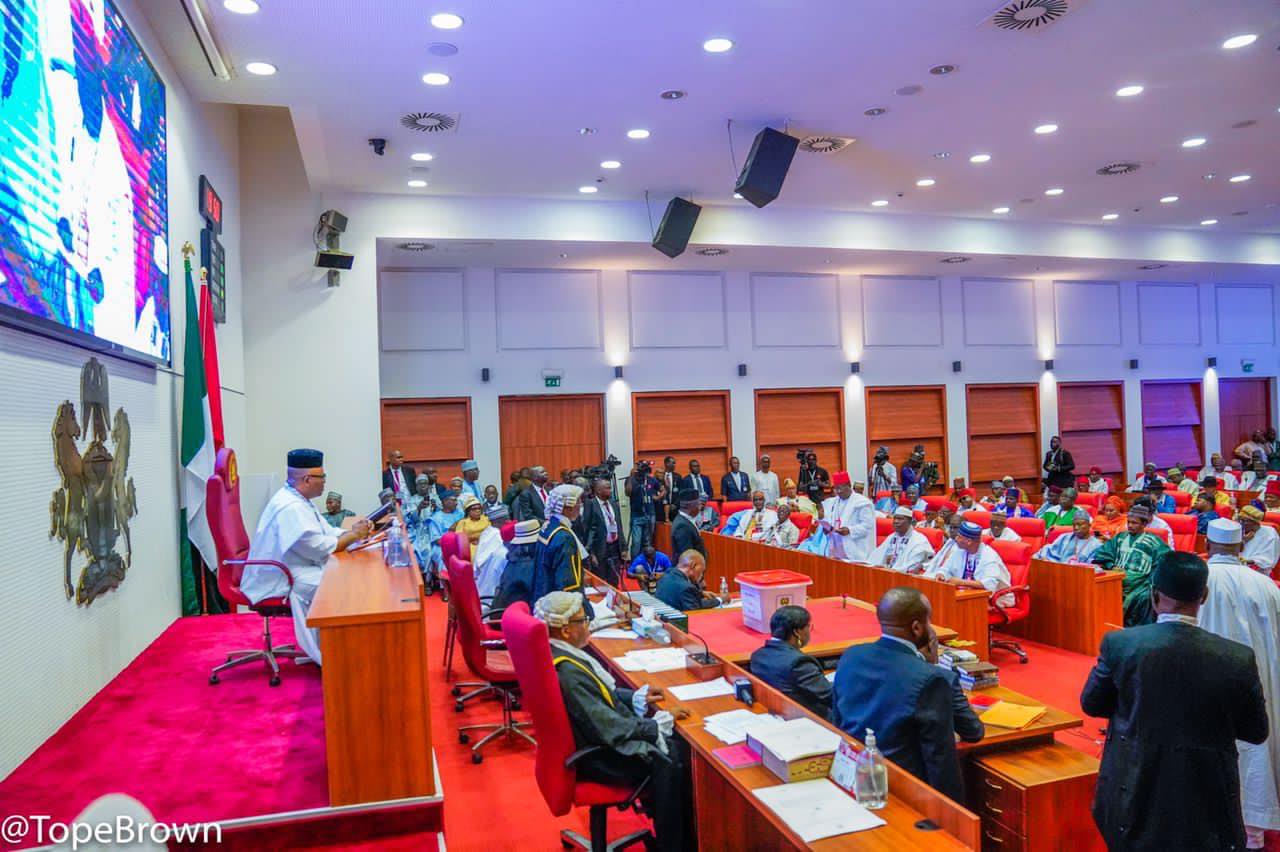
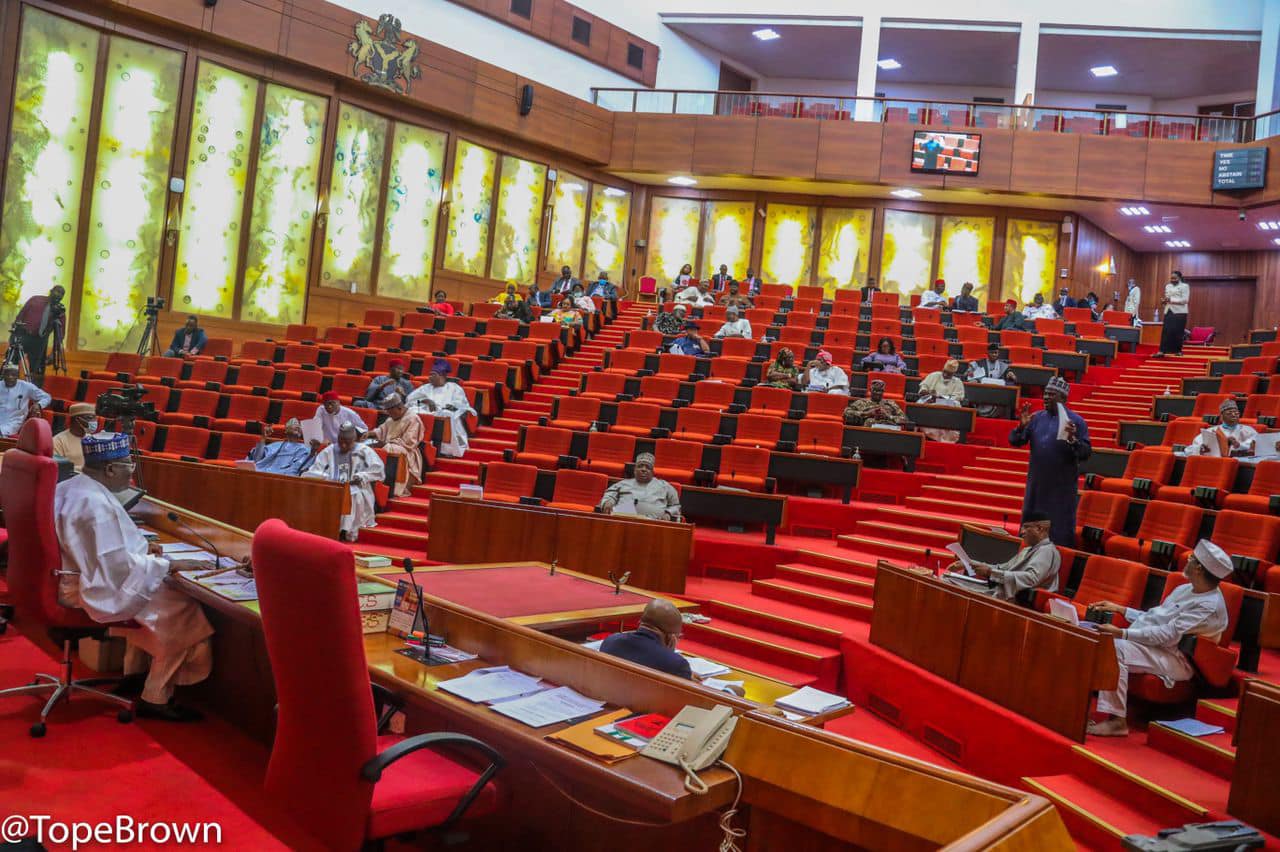
These other proposals cannot be sent to the state assemblies until they finish all necessary legislative steps at the National Assembly.
Ogunlana has called on the state Houses of Assembly to review the constitutional amendment bill and send their responses to the National Assembly after they finish discussing it.
He explained that the Constitution does not set a specific time for state assemblies to send back their resolutions on constitutional amendment bills. Still, he encouraged them to finish their discussions and respond within 30 days of getting the bill.
"The Clerk to the National Assembly has asked the State Houses of Assembly to give the Bill the necessary attention according to their procedures and to send back their resolutions to the National Assembly after their discussions.
"It is noted that the Constitution does not require a specific time for State Houses of Assembly to communicate their resolutions on a constitutional amendment Bill. However, for an orderly and timely process, the State Houses of Assembly are expected to consider the Bill and send their resolutions to the National Assembly within 30 days of receipt," he stated.
Ogunlana emphasized that the 30-day period is just a guideline and not a legal deadline.
"For clarity, the 30-day period is an expected timeframe and does not represent a constitutional deadline.
"The National Assembly respects the constitutional role of the State Houses of Assembly and their independence in reviewing the Bill. This transmission aims to help them fulfill their constitutional duties in the process," he said.
The Clerk mentioned that the National Assembly is committed to following the Constitution and ensuring fair processes in this amendment work.
He added that the National Assembly will continue with the next steps after getting responses from the state Houses of Assembly.
"Once we receive the resolutions from the State Houses of Assembly, the National Assembly will take the necessary actions according to the Constitution," he said.




Drop your comment
No comments yet — be the first to drop the gist 👇