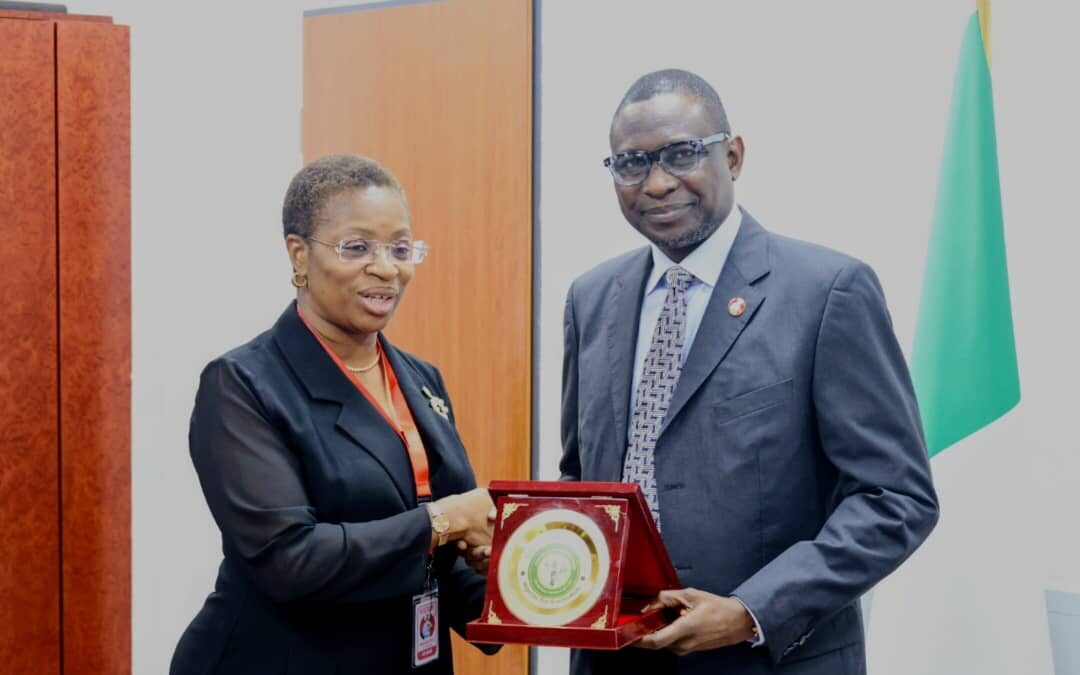
The President of the Nigerian Bar Association (NBA), Oyinkansola Badejo-Okusanya, has praised the anti-corruption work of the Economic and Financial Crimes Commission (EFCC). She highlighted its role in helping Nigeria get off the Financial Action Task Force (FATF) grey list.
She said that being removed from the FATF grey list has “increased financial inflows and made it easier for lawyers and their clients to conduct business.”
Badejo-Okusanya made these comments in Abuja on Wednesday. She led an NBA delegation on a visit to the EFCC’s headquarters. This visit is part of her engagements with important law and justice institutions since she became NBA president last month. Recently, she met with Inspector-General of Police Tunji Disu to discuss the issue of citizens filming police officers on duty.
“Cross-border transactions are now seamless and less expensive. We are grateful to the commission and we hope for more of such positive impact. We believe the efforts of the commission will not regress,” she stated.
“For us as lawyers, we are grateful for the removal of the country from the FATF grey list,” she added. She also mentioned that this removal has boosted confidence in Nigeria’s financial system and business environment.
Badejo-Okusanya commended EFCC Chairman Ola Olukoyede for his leadership in fighting economic and financial crimes. She praised the EFCC for its investigations and prosecutions, as well as its recovery of proceeds of crime.
The NBA president said the association has paid close attention to the EFCC’s work, especially its statistics on recoveries and convictions. “When we see things that are done and done properly, we appreciate them,” she said, noting that the association could “see, feel, and hear the impact” of Olukoyede’s efforts.
She emphasized that a strong legal system is essential for economic growth. Without a lawful society, she said, “we cannot gain in terms of economic activities, have a strong society and a better quality of life.”
Badejo-Okusanya called for closer cooperation between the NBA and the EFCC. She highlighted the need for knowledge sharing and offering professional expertise. She pledged the association’s support to the commission.
According to her, both bodies must work together to strengthen the rule of law and fight economic and financial crimes.
In response, Olukoyede said Nigeria’s removal from the FATF grey list is due to the EFCC’s efforts with other government agencies. He stated, “Most of the works that led to Nigeria’s removal from the list were done by EFCC and in collaboration with all our sister agencies.”
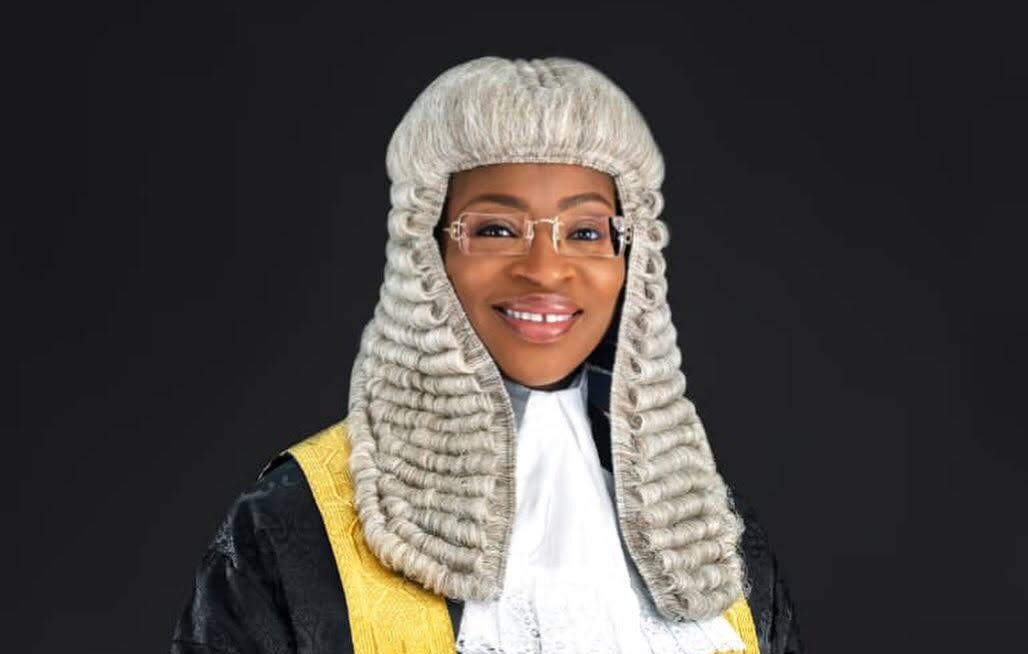
Olukoyede noted that Nigeria is now “on a better footing in the world financial ecosystem.” He thanked the NBA for their support, stating that achieving this would have been tough without the association’s backing.
The EFCC chairman assured that the commission conducts its investigations within the law and is accountable to the public. He said, “One promise I made to Nigerians is to use the instrumentality of this law to stipulate the economy and pledge to work within the confines of law. We are responsible to the public.”
Olukoyede reiterated the EFCC’s commitment to preventive measures against corruption. He mentioned that the EFCC will no longer wait until funds are stolen before acting.
He added that the EFCC “is committed to this and this is why a whole Department, Fraud Risk Assessment and Control, FRAC, was established.” He also promised to collaborate with the NBA to improve the legal profession and strengthen ties between both bodies.
Nigeria was put on the FATF grey list in February 2023 due to weaknesses in its approach to fighting money laundering and terrorist financing. Being on this list meant Nigeria faced heavy monitoring and raised worries about its financial system.
Being grey-listed can scare away foreign investors, harm a country’s financial reputation, and raise borrowing costs. It can also lead to losing important banking relationships and possibly being blacklisted if issues are not fixed.
A 2021 report by the International Monetary Fund pointed out that countries on the grey list saw a significant drop in capital inflows.
Nigeria started a reform program that lasted over two years. From 2023 to 2025, the country submitted six reports to show its progress on FATF requirements. The country also made legal and institutional changes, including updating laws, introducing new regulations, and setting up a beneficial ownership register.
Several government agencies, like the NFIU, EFCC, the attorney-general’s office, Ministry of Finance, and Ministry of Interior, were involved in this process.
FATF later confirmed that Nigeria had met all 19 items on its action plan. After an assessment in August 2025, the global body announced Nigeria’s removal from the grey list at its plenary in Paris in October 2025.

Drop your comment
No comments yet — be the first to drop the gist 👇