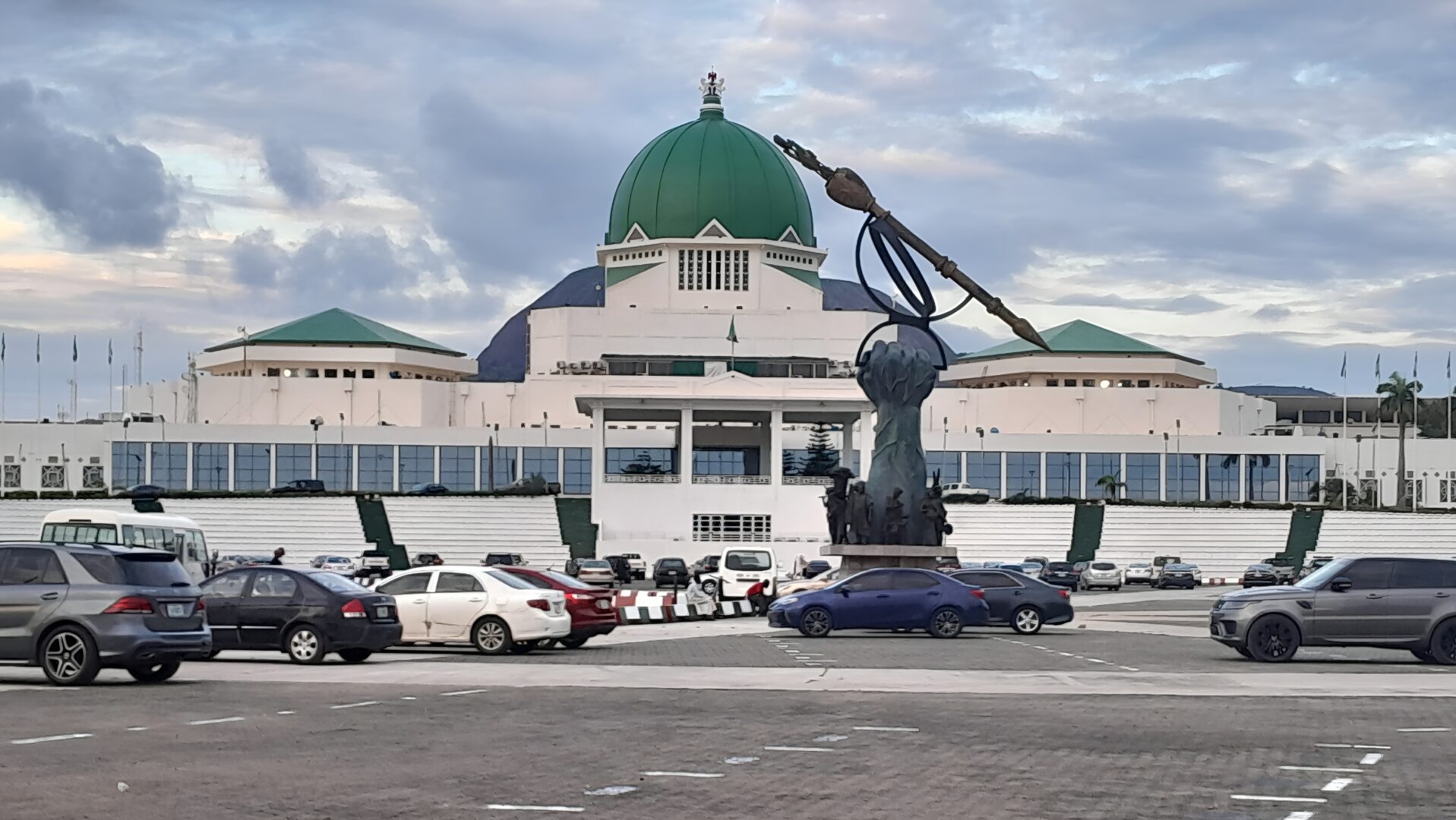
The National Assembly is planning a big change in how it stores, verifies, and shares parliamentary records and laws. This includes translating federal laws into Hausa, Yoruba, Igbo, and other Nigerian languages.
The changes will also include a mobile app for legislative information, a Bills Tracker, digital storage, and simple video and infographic explanations of laws and parliamentary processes.
Henry Nwawuba, the executive secretary of the National Assembly Library Trust Fund, shared this news on Monday in Abuja during the start of the 2026 National Assembly Library Week.
The three-day event has the theme “Parliamentary Memory: Connecting Records, Legislation and the People.” It aims to improve legislative research, access to information, and preserve Nigeria’s parliamentary history.
Mr Nwawuba mentioned that the National Assembly Library is not just a place for books anymore. It is now an important part of the legislative knowledge system and memory.
He said the library holds vital records of Nigeria’s democracy. This includes Order Papers, Votes and Proceedings, committee reports, Acts passed by the National Assembly, published laws, and oversight manuals.
According to him, the National Assembly Library Trust Fund is putting money into electronic storage and upgrading its E-Library. This will make it easier to access and use these materials.
He added that the new mobile app would help lawmakers, legislative aides, researchers, and the public access parliamentary information more easily.
The library is also creating a Bills Tracker. This tool will let users follow bills and see how they move through the legislative process.
Mr Nwawuba explained that the library will produce infographics, videos, and audiovisual materials. These resources will help Nigerians understand legislation and parliamentary procedures better.
He said translating laws into major Nigerian languages would widen access to legislative information. This is especially important for people who may not speak English well.
The initiative will also promote more public involvement in the legislative process through discussions and platforms that connect lawmakers, citizens, researchers, and civil society groups.
Mr Nwawuba noted that the reforms aim to fix inconsistencies in parliamentary documents and stop the spread of fake or unauthorized National Assembly records.
This issue was highlighted by Kamoru Ogunlana, the Clerk to the National Assembly. He cautioned that the fast spread of digital information has raised the risk of altered or unauthorized legislative documents being circulated.
Mr Ogunlana said the National Assembly cannot be truly independent without the ability to create, preserve, retrieve, and confirm its records.
He pointed out that key records like the Order Paper, Votes and Proceedings, and Hansard form Nigeria’s legislative memory. He explained that while the Order Paper lists what the legislature will discuss, the Votes and Proceedings capture decisions made during meetings. The Hansard records debates and lawmakers' contributions.
The clerk warned against sharing incomplete, outdated, or altered versions of Bills, Acts, and other parliamentary documents.
He stated that digital technology allows manipulated documents to spread quickly, making it vital to verify information.

“The integrity of an Act depends not merely on having a document, but on identifying which version is authentic and authoritative, and the legal process that produced it,” he said.
Mr Ogunlana called for better teamwork between the National Assembly, the Office of the Attorney-General, the Nigerian Law Reform Commission, and the Federal Government Press. This is to ensure Nigerians can easily access the latest and most reliable versions of federal laws.
He also noted that the continued use of the Laws of the Federation of Nigeria, LFN 2004, shows the challenges of keeping federal legislation up to date.
Mr Ogunlana explained that the LFN 2004 only reflects laws included in that revision and does not automatically update with every new Act.
He said to expand digital parliamentary records, there needs to be investment in cybersecurity and digital storage.
He listed secure authentication, access controls, backup systems, and staff training as important measures to protect these records.
He mentioned that digitization will make it simpler to search, access, and share legislative information, but it could also expose records to hacking and impersonation of official sources.
He called for digital platforms that are both easy to use and secure, with electronic records that can be verified and traced.
The Clerk stated that the National Assembly Library should evolve from just storing documents to being a place where parliamentary knowledge is preserved, verified, and shared with lawmakers, researchers, journalists, civil society groups, students, and the general public.
At the event, Senator Osita Ngwu spoke on behalf of the Senate President, Godswill Akpabio. He urged lawmakers to use the National Assembly Library more, especially with the rise of misinformation and the fast pace of artificial intelligence.
Mr Ngwu described the library as a bridge between evidence, knowledge, and legislative decisions. He called for ongoing support for its growth.
The Speaker of the House of Representatives, Abbas Tajudeen, represented by the House Leader, Julius Ihonvbere, emphasized that legislative records are crucial for understanding Nigeria’s legislative history and improving democratic governance.
Mr Abbas said a strong legislature should be judged not only by the laws it makes but also by its ability to document its activities, keep institutional knowledge, and share this information with future generations.
He stated that technology and artificial intelligence could enhance legislative research, records preservation, and public access but warned that their use must prioritize accuracy, security, professional judgment, and protection of parliamentary records.
Lawal Umar, the President of the Nigerian Library Association, called for ongoing investment in libraries and information technology to improve access to legislative information.
He also urged better collaboration between the National Assembly and state Houses of Assembly.
Debo Oyewale, the Secretary-General of the Conference of Speakers of African Legislatures, mentioned that African parliaments could learn from each other in building systems to preserve legislative memory, improve access to information, and strengthen democracy.
Drop your comment
No comments yet — be the first to drop the gist 👇