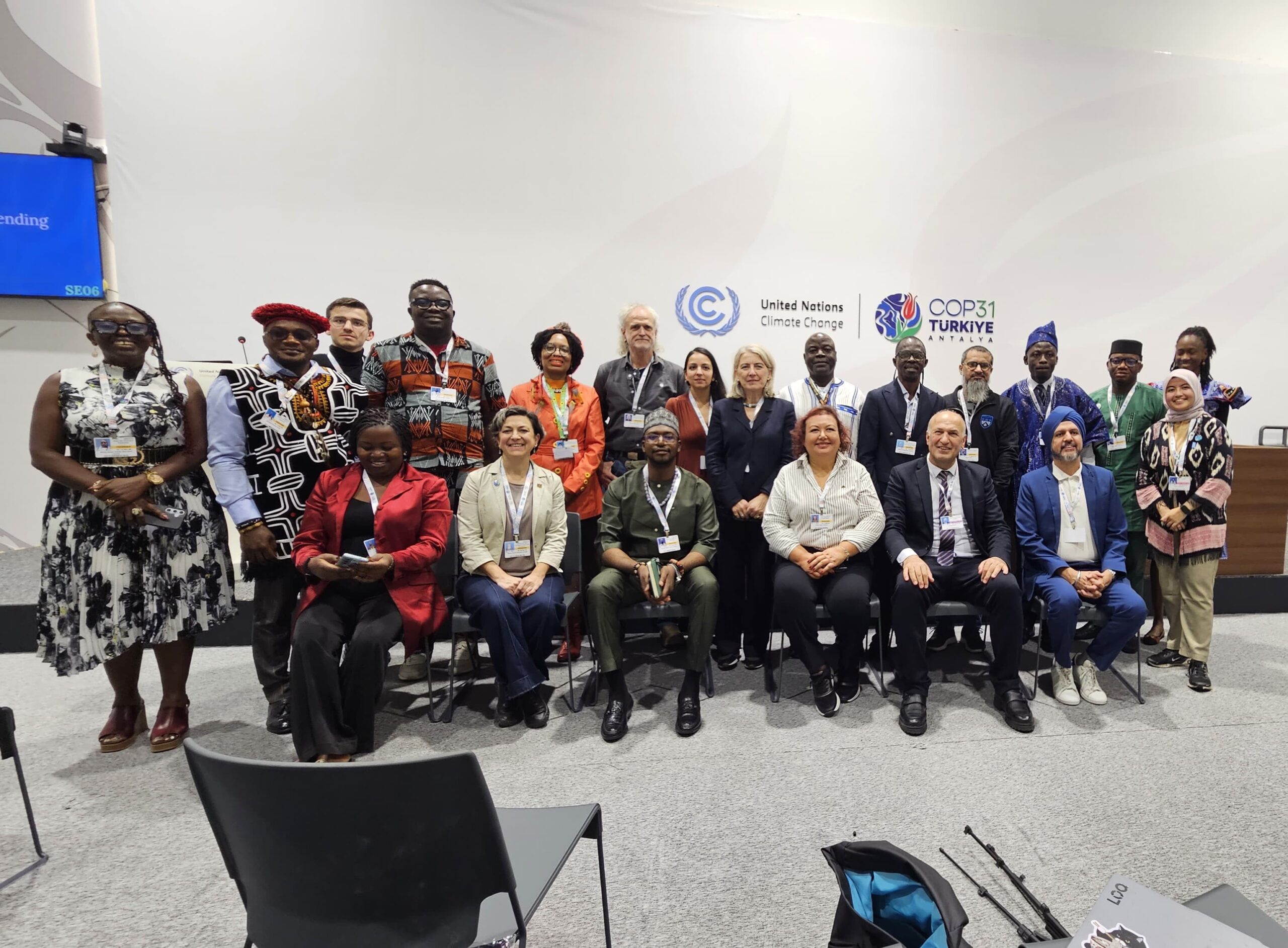
A new global foundation was launched at the ongoing United Nations Climate Change Conference (COP31). This foundation aims to give communities in Nigeria’s oil-producing Niger Delta a platform to demand more control over climate decisions, funding, and environmental actions that impact their lives.
Connected Advocacy and seven partner organizations announced the World Locally Led Foundation on 13 November during a side event at the climate conference in Antalya, Turkey.
This initiative responds to ongoing worries about the exclusion of frontline communities from climate action decisions. These communities face serious issues like environmental damage, pollution, flooding, coastal erosion, and other climate-related threats.
The Niger Delta is especially affected, as oil-producing communities have suffered environmental harm from oil operations for decades. This includes problems like oil spills and gas flaring, while they struggle to achieve proper environmental protection and sustainable livelihoods.
In October, PREMIUM TIMES reported that residents of Obite, Obagi, and nearby communities in Rivers State still experience gas flaring near oil facilities run by TotalEnergies. This is despite the company's claim that it had stopped routine gas flaring in Nigeria.
The newspaper’s investigation, which looked at satellite data, regulatory records, and community accounts, found that flare activity continues around the company’s OML 58 and OML 130 assets. It also showed gaps in available emissions data and regulatory accountability.
The new foundation aims to solve the structural issues that leave communities with little say in environmental decisions and poor access to resources for local solutions.
Connected Advocacy is partnering with Clean Climate and Environment Campaign Initiative, Support to Life, Climate Action Network West and Central Africa, Rise for Ocean, Charter for Change, Tax Justice Africa, and the Traditional Council of Oku Kingdom in Cameroon.
This announcement followed talks at the Global Localisation Forum, which was themed "Local Climate Action Around the World: Fixing Gaps for Implementing Local Climate Action and Energy Democracy."
Participants discussed the gap between international climate promises and their real impacts on communities. They highlighted challenges like limited access to climate finance, exclusion from decision-making, lack of technical resources, and insufficient leadership opportunities.
Israel Orekha, global director of Connected Advocacy, stated that climate action should go beyond just inviting communities to join decisions made by governments and international bodies.
“Communities must be part of setting priorities, shaping solutions and overseeing implementation. The commitments made at the global level must translate into resources, leadership and accountability at the local level,” he said.
The proposed Coordinated Trust platform will link community organizations, traditional leaders, civil society groups, and international partners to share experiences, promote community-led solutions, and advocate for inclusive climate policies.
Climate Finance and Niger Delta Communities
A key topic of the discussions was the trouble local organizations face when trying to access international climate finance.
Giuliana Battisti from Warwick Business School and the Circular Economy Powered Renewable Energy Centre in the UK, and Gloria Majiga, a policy officer focusing on tax, natural resources, and climate finance, pushed for simpler funding processes and fairer financing methods.
They also called for stronger climate tax justice measures and actions against illicit financial flows. They emphasized that grassroots organizations should not remain at the bottom of the climate financing hierarchy.
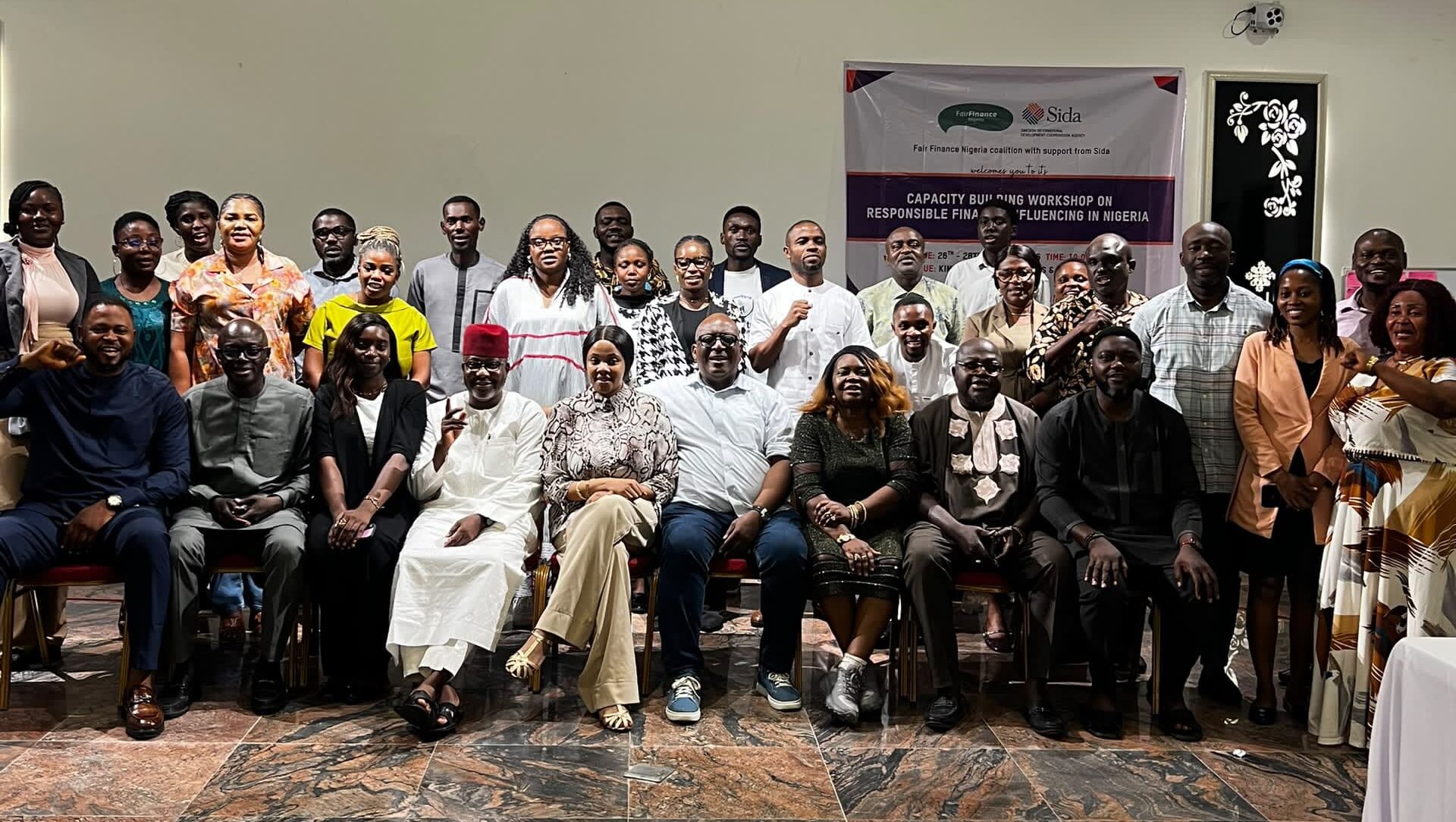
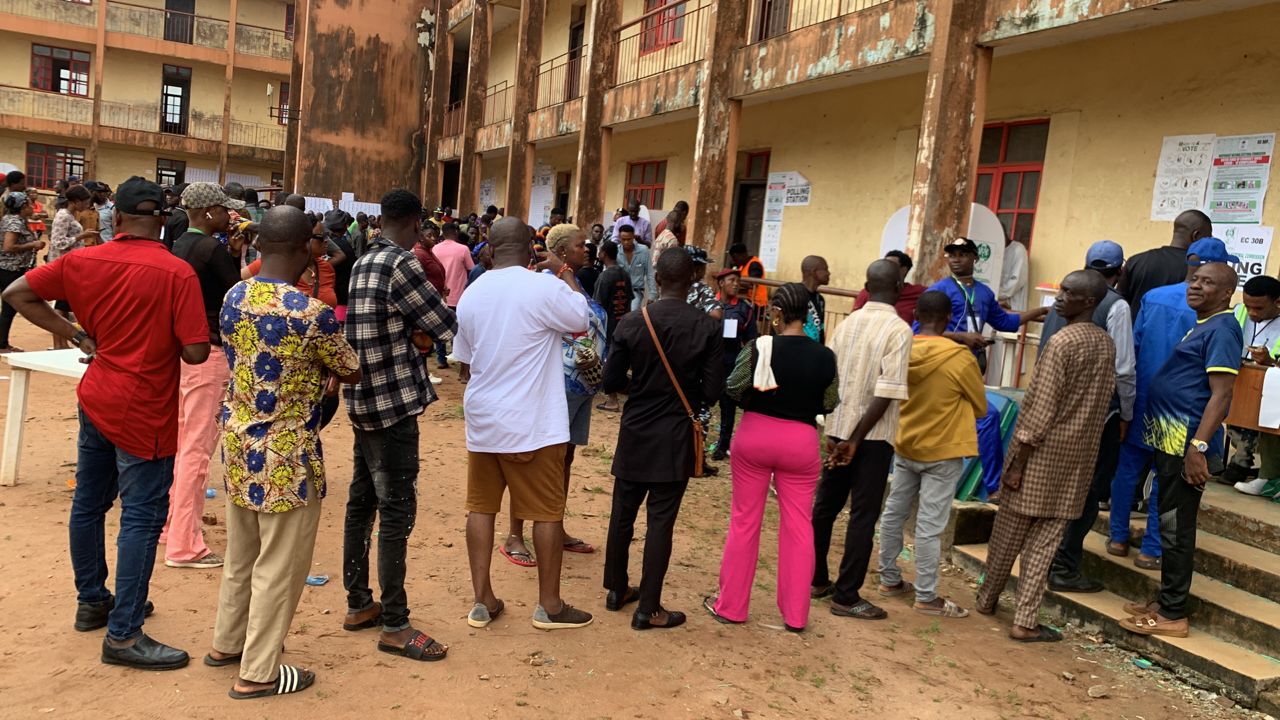

For Niger Delta communities, having control over environmental resources and decisions about interventions is a long-standing concern. The region faces environmental issues such as oil pollution, gas flaring, wetland and mangrove degradation, and risks to fishing and farming livelihoods.
The foundation’s focus on community involvement and direct resource access could be crucial for local organizations working on environmental monitoring, restoration, and climate resilience in the Niger Delta.
Participants at the Antalya forum also emphasized the need to recognize indigenous knowledge in environmental governance. Fon Ngum IV, the Paramount Ruler of the Oku Kingdom in Cameroon, pointed out that traditional communities have generations of knowledge on protecting their environments.
He argued that climate action would be more effective if indigenous communities were seen as leaders instead of just beneficiaries of outside programs.
Sema Karaosmanoglu, founder of Support to Life Turkey, and Qarnar Igbal from Climate Alliance Pakistan and Charter for Change highlighted the importance of involving frontline communities in humanitarian and climate responses.
They noted that local organizations are often the first responders to environmental and humanitarian crises but lack the authority and resources to protect those affected adequately.
Nigeria’s Coastal Communities Face Growing Threats
The foundation’s launch comes as Nigeria faces increasing threats to its coastal areas. In October, PREMIUM TIMES reported that the Senate urged the Federal Government to seek international climate adaptation funding to protect coastal communities at risk from ocean surges and sea incursion.
Lawmakers expressed concern about Ayetoro in Ilaje Local Government Area of Ondo State, where nearly 80 percent of homes and infrastructure have reportedly been lost to sea incursion. The Senate also pointed out that impacted communities need shoreline protection, safe water, healthcare services, and temporary shelter.
Communities along the Niger Delta coastline face similar environmental and livelihood challenges, especially those relying on fishing and marine resources.
At the COP31 forum, participants called for stronger commitments for ocean protection in national climate plans. They mentioned the need for measures to protect marine ecosystems, restore biodiversity, and safeguard coastal livelihoods.
On energy democracy, YOmar Elmawi from the Africa Movement of Movements, Seruni Salsabila from the UNIDO Energy and Climate Action Youth Advisory Group, and Gunter Hermeyer from Nuclear Power Is Not the Answer called for community involvement in planning the shift to cleaner energy.
They argued that renewable energy growth should focus on affordable energy access and locally driven solutions, instead of repeating existing inequalities.
Kulkiran Jagdev, an environment officer at Sikh Human Rights Group, said international climate agreements will only improve lives when they are turned into national policies, budgets, and actions that address community needs.
The World Locally Led Foundation is expected to help achieve the goals of the Antalya forum, including setting up the Coordinated Trust platform.
Mr Orekha stated that the initiative will aim for policy reforms, stronger institutions, and collaboration between local groups and international partners. It will ensure that communities influence decisions that affect their lives. He added that the foundation will work to make locally led climate action measurable by giving resources, leadership, and opportunities to communities and institutions closest to the challenges.

Drop your comment
No comments yet — be the first to drop the gist 👇