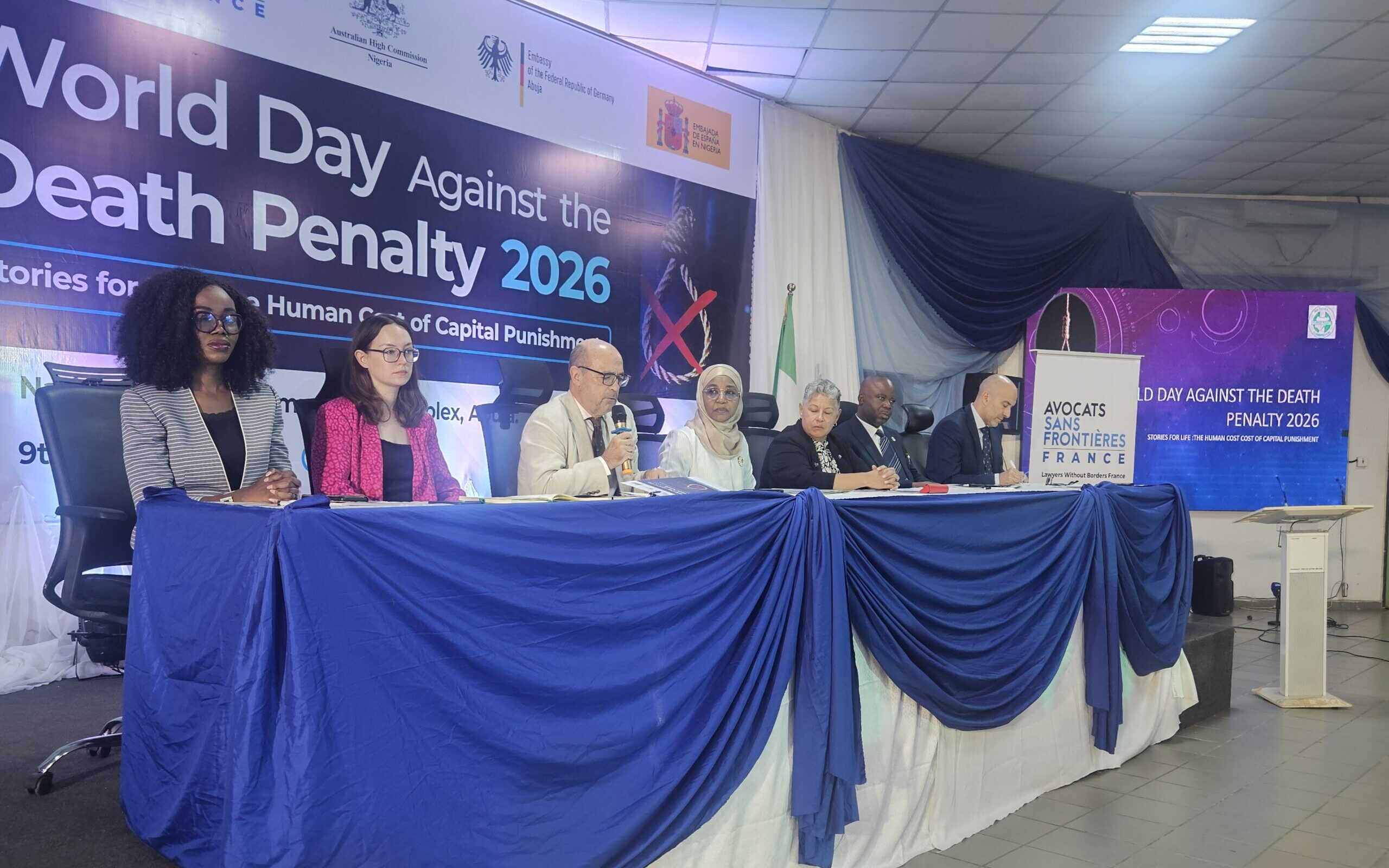
The National Human Rights Commission (NHRC), Avocats Sans Frontieres, the Australian High Commission, the German Embassy, and the Spanish Embassy in Nigeria on Friday called for the end of the death penalty in Nigeria.
They made this appeal at the NHRC head office in Abuja to mark the International Day Against the Death Penalty, which is observed every year on October 10.
Tony Ojukwu, the NHRC’s Executive Secretary, was represented by Rabir Anwar, the Director of Legal Services and Enforcement. He urged for “transition of Nigeria’s tenure clause into an official, effective moratorium on execution.”
“The commission urges the government to revoke Section 312 of the Constitution and Section 122 of the Nigeria Correctional Service Act to convert death sentences into life imprisonment,” he added.
Mr Ojukwu, who is a Senior Advocate of Nigeria, noted that by December, Nigeria will have gone ten years without carrying out a state execution. This meets the international standard for a de facto moratorium. Yet, there are still over 3,000 people on death row.
Leilani Bin-Juda, the Australian High Commissioner to Nigeria, praised Nigeria for reaching this de facto moratorium on executions. “Behind every death sentence are individuals, families, and communities whose lives are profoundly affected by the decisions of the justice system,” she said.
Ms Bin-Juda added that Australia opposes the death penalty in all cases. She believes it is a cruel and degrading punishment that should not exist in a modern justice system. While she recognized Nigeria's independence, she encouraged the country to make its de facto moratorium official or reduce the number of crimes punishable by death.
Felix Costales Arteida, the Spanish Ambassador to Nigeria, also expressed opposition to the death penalty. He said, “Life is an inalienable right, and no state should have the power to take it away.”
He explained, “There is no proof that capital punishment deters crime more than other punishments that involve imprisonment. It is also irreversible, which means any judicial errors cannot be corrected.”
He pointed to the US as an example, stating that since 1973, 130 people on death row have been found innocent and released. Mr Arteida stressed that the strength of a society is shown not by the harshness of its punishments but by its ability to protect everyone’s rights, even in tough times.
He urged the Nigerian government to reconsider capital punishment. This is not a sign of weakness but a show of strength, he said. Lorena Moore, who represented the German Ambassador, said justice is important, but taking another person's life is never the solution.
Angela Uzoma-Iwuchukwu, the Country Head of Avocats Sans Frontières France, promised to fight against the death penalty. She called it a violation of the right to life. “It is unfair because it targets the weakest in our society and is used more against the poor.”
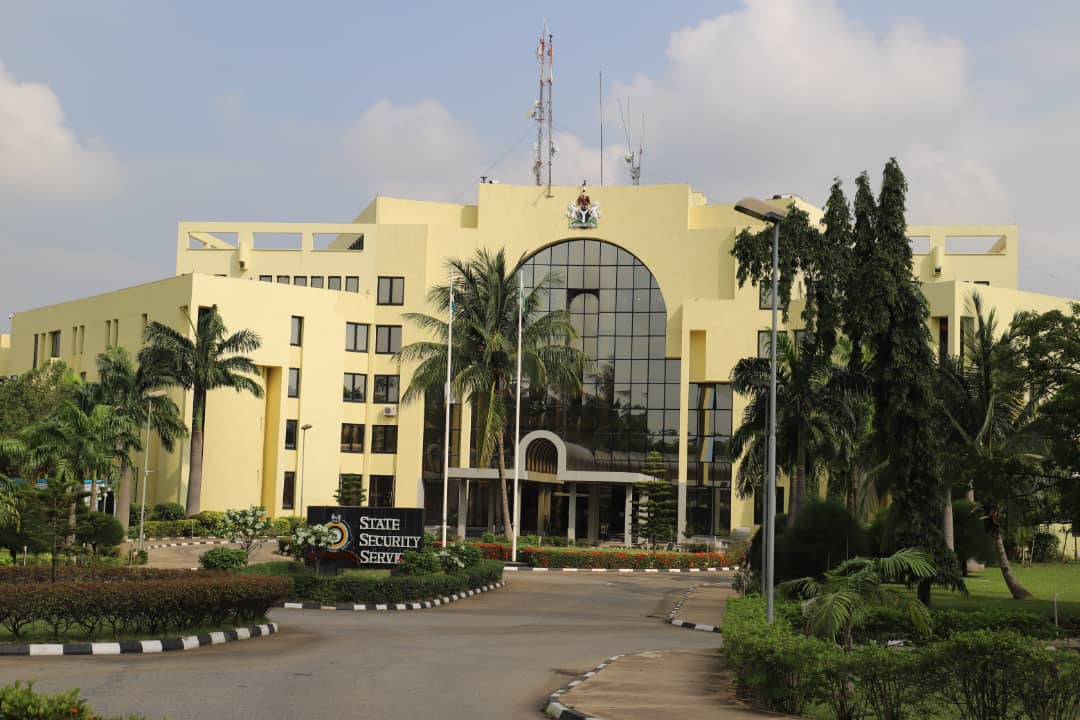
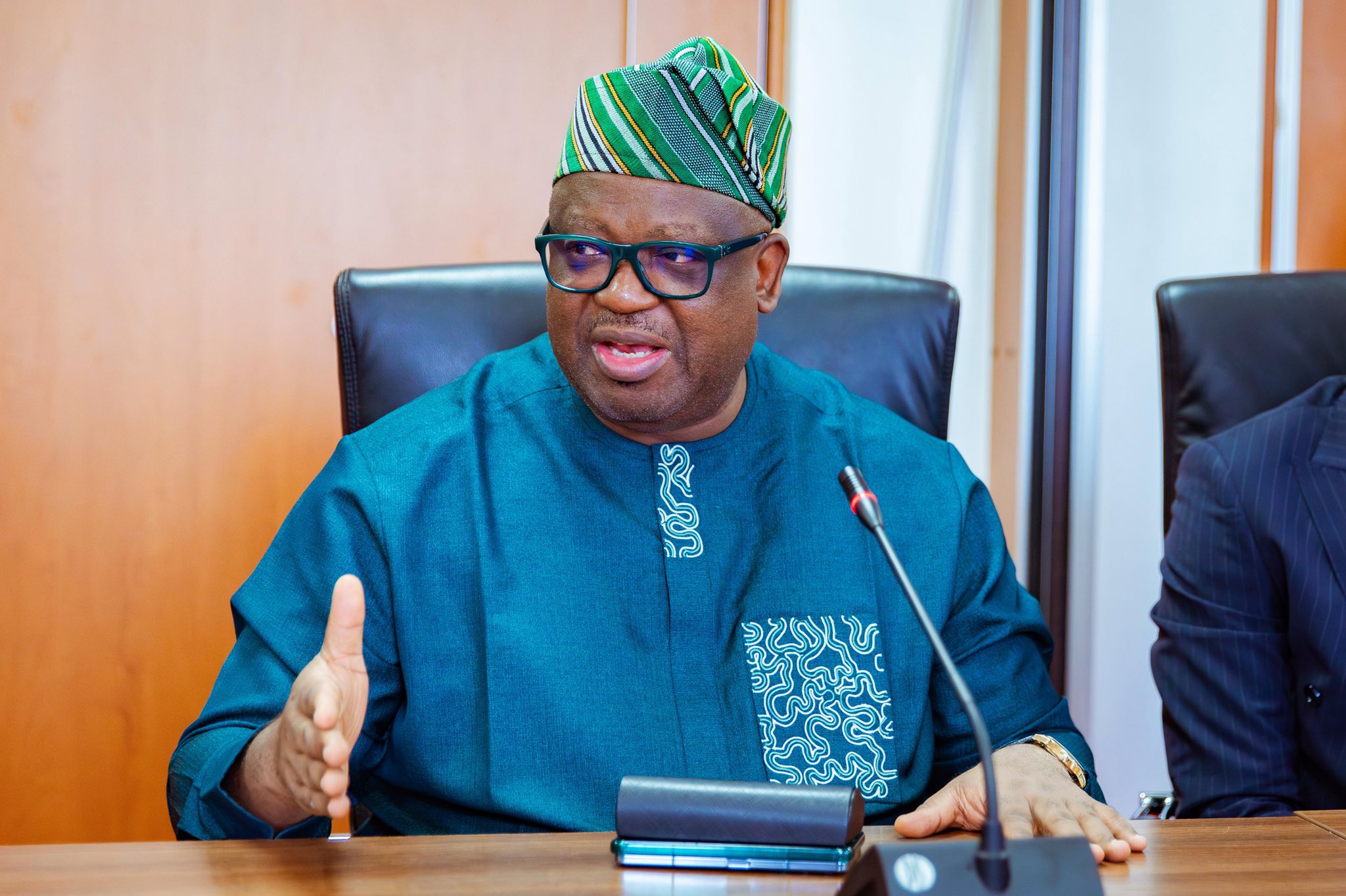

Guests at the event included the Ambassador of Belgium, Patrick Englebert, a representative of the European Union, Oghenero Okoro from the Nigerian Bar Association (NBA), and Italian Ambassador, Roberto Mengoni.
The Comptroller-General of the Nigerian Correctional Service, Sylvester Nwakuche, represented by Comptroller Olufemi Oluyemi, said that people on death row are not just numbers. “We meet them every day, in the yard, in workshops, in classrooms, in chapels, and in mosques. We hear the stories of their families and the pain of victims and communities,” he stated.
He added that no matter what happens in the national discussion about the death penalty, the NCOS will continue to act with professionalism, humanity, and respect for the law.
This year's theme for the World Day Against the Death Penalty is Stories for Life: the human cost of capital punishment. Amanda Arthur, a 21-year-old daughter of a death row survivor, shared her father's story to highlight the theme.
Her father was imprisoned at 21 and spent 16 years in prison. His name was later removed from the execution list. He claimed he was wrongfully imprisoned. His daughter said her father's experience has greatly impacted their lives and views of society.
“It’s made me very aware of what’s happening around me because I know I could be a victim or a perpetrator. The trauma has stuck with us,” she explained. “There is a stigma: when you say your parent has been in prison, people see it differently.”
On the death penalty, she said that no human should endure such punishment, guilty or not. “It’s dehumanising.” Amnesty International reported that by 2025, 145 countries have removed the death penalty both in law and practice.
While Nigeria could become a de facto abolitionist state by December, there are still laws that allow for state pardons for those on death row. Section 12(2)(c) of the Nigerian Correctional Service (NCoS) Act, 2019 allows for the reduction of a death sentence to life imprisonment under certain conditions.
Some governors have pardoned death-row inmates. For example, on October 1, the Governor of Plateau State, Caleb Muftwang, changed the death sentences of four inmates to life imprisonment. Enugu State Governor, Peter Mbah, commuted the sentences of 13 inmates, while the Governor of Adamawa State, Ahmadu Fintiri, reduced one death penalty to a lesser punishment.
In April 2025, the NHRC asked Mr Fintiri to spare Sunday Jackson, a farmer sentenced to death in 2019 for killing a herder during a fight on his land. In December 2025, Mr Fintiri granted a full pardon to Mr Jackson.

Drop your comment
No comments yet — be the first to drop the gist 👇