
The federal government wants at least 70 percent of essential healthcare products made in Nigeria by 2030. This move aims to improve medicine security and cut down on imports.
The Minister of State for Health and Social Welfare, Iziaq Salako, shared this news on Monday in Lagos. He spoke at the opening of the 8th Nigeria Pharma Manufacturers Expo, organized by the Pharmaceutical Manufacturers Group of the Manufacturers Association of Nigeria (PMG-MAN).
This expo, with the theme "Regional Manufacturing: Advancing Africa’s Pharma and Life-Science Sovereignty through Localisation," gathered key players in Nigeria’s pharmaceutical and life-sciences sector.
Mr Salako mentioned that the government’s Presidential Initiative to Unlock the Healthcare Value Chain (PVAC) has attracted about $2 billion in financing commitments at low-interest rates. Around 50 Nigerian health firms are in advanced talks to secure this funding.
He added that the government is also using fiscal measures to help local pharmaceutical manufacturing. Currently, 87 local manufacturers are benefiting from a presidential executive order that offers zero tariffs on pharmaceutical machinery, active pharmaceutical ingredients (APIs), and excipients across nearly 1,000 Harmonised System codes.
These measures aim to boost local production and make Nigeria’s healthcare supply chain stronger. Mr Salako noted that the disruptions during the COVID-19 pandemic showed the dangers of relying on global supply chains. He stressed that Nigeria and other African countries must build their own capacity to produce medicines, vaccines, diagnostics, and other essential health technologies.
“Our conversation can no longer be limited to whether we can access medicines when global supply chains are functioning,” he stated.
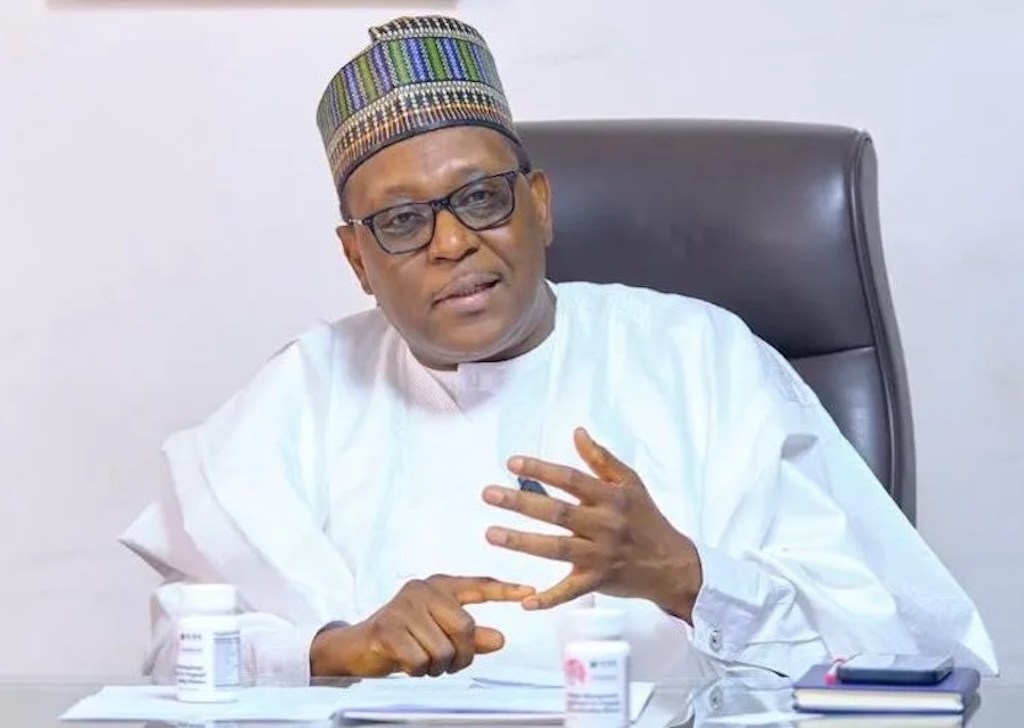

Mr Salako described medicine security as crucial for national resilience and sovereignty. He emphasized that Nigeria should focus on building capacity throughout the pharmaceutical value chain instead of just assembling final products.
He highlighted ongoing efforts by the government, including expanding local production of APIs, vaccines, biologics, diagnostics, and other health goods. Mr Salako also mentioned the establishment of the National Institute for Pharmaceutical Research and Development (NIPRD) API Capacity Building and Concept Production Centre, which aims to develop commercial API manufacturing.
Additionally, he spoke about efforts to localize production of diagnostic products for HIV, hepatitis, and syphilis. He said Nigeria needs to invest more in research and development and use its phytomedicinal resources to boost local pharmaceutical manufacturing.
Mr Salako pointed out that the creation of Medipool, Nigeria’s national Group Purchasing Organisation for essential medicines and medical products, would help create a steady demand for locally made goods. This organization will handle procurement, negotiate bulk purchases, and enhance supply-chain efficiency.
He encouraged pharmaceutical manufacturers, researchers, investors, and development partners to explore regional markets under the African Continental Free Trade Area (AfCFTA). Mr Salako said the success of Nigeria’s pharmaceutical manufacturing goals relies on continuous investment, innovation, regulatory alignment, and access to larger regional markets.
Finally, he stressed that stronger teamwork among government, manufacturers, researchers, investors, and development partners is essential to create a more resilient pharmaceutical manufacturing environment in Nigeria and across Africa.




Drop your comment
No comments yet — be the first to drop the gist 👇