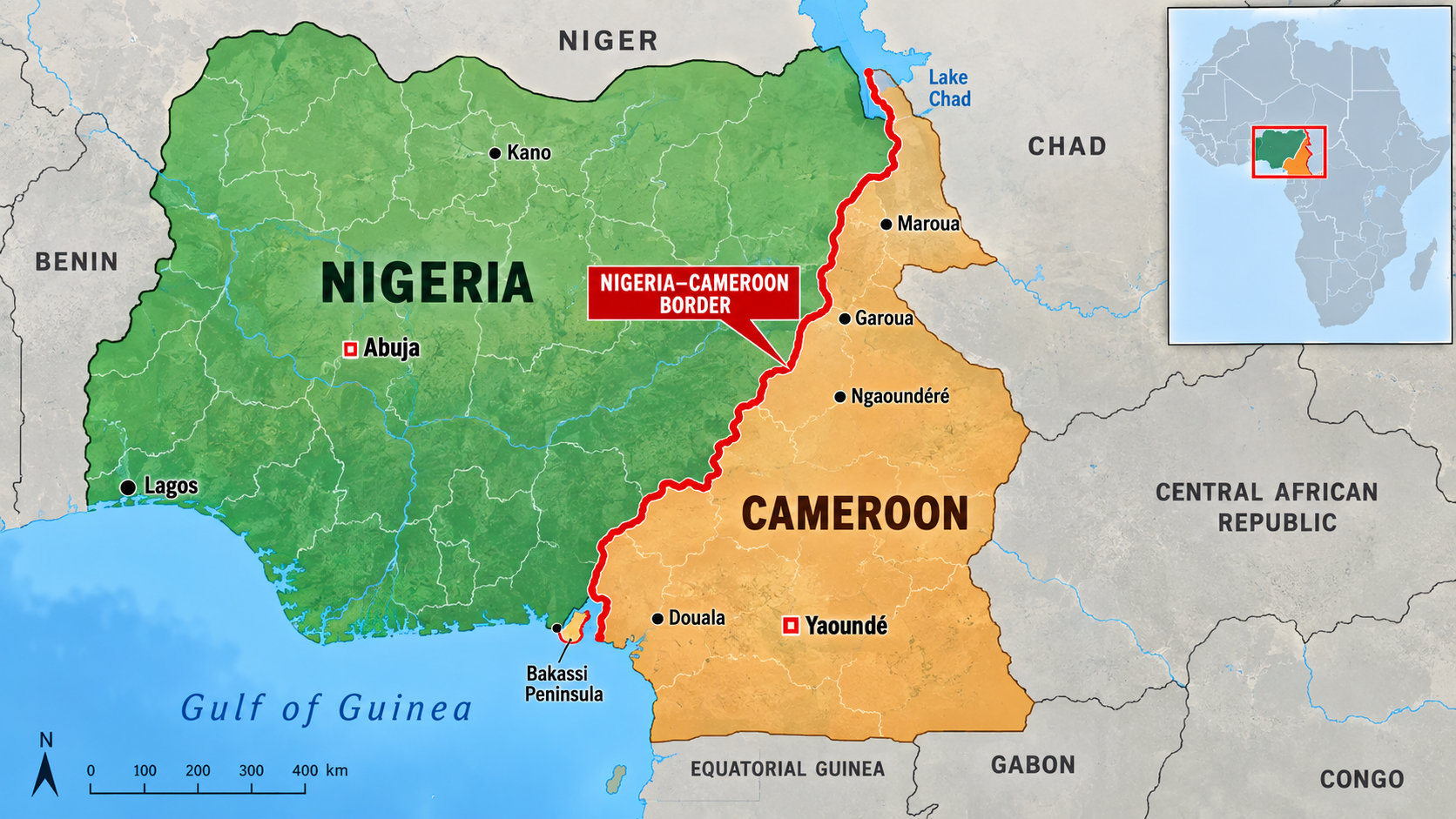
Nearly 24 years after the International Court of Justice (ICJ) gave its ruling on the land and sea border between Cameroon and Nigeria, both countries are almost done marking their borders.
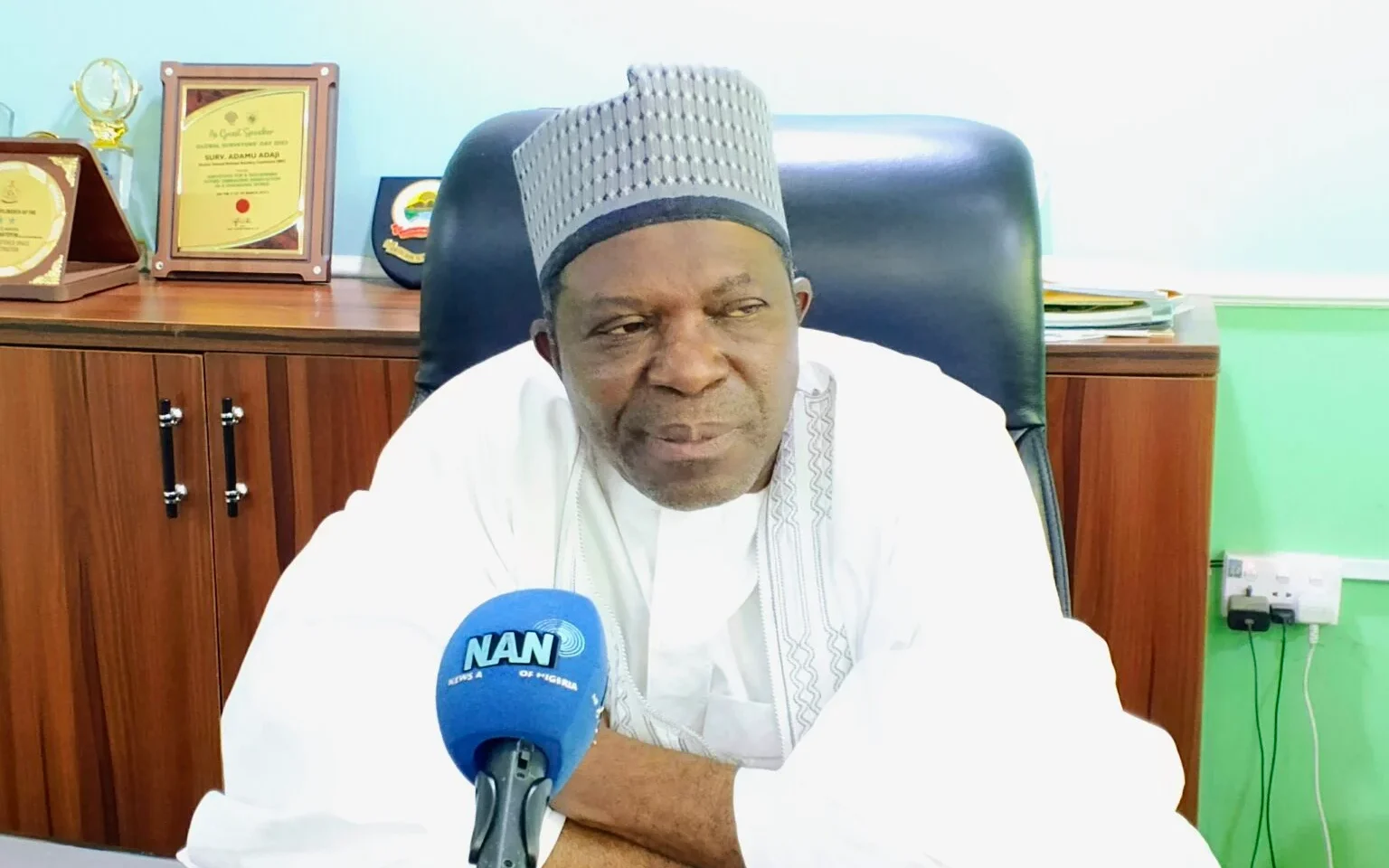
Adamu Adaji, the Director-General of the National Boundary Commission (NBC), shared this in an exclusive interview with the News Agency of Nigeria (NAN) on Sunday in Abuja.
The ICJ ruling, delivered on 10 October 2002, settled the border dispute. It awarded control of the Bakassi Peninsula to Cameroon and set the land and sea borders between the two nations.
Mr Adaji told NAN that they are now focusing on the Adamawa area, where more than 260 boundary pillars are still to be set up.
"We are currently placing pillars to make the boundary visible in those sectors.
"As soon as that is completed, in about two or three months, we expect to finish the demarcation of the Nigeria-Cameroon international boundary.
"Hopefully, before the end of the year, we should be done with the demarcation.
"We will then move to the management aspect, which involves addressing the needs of people adversely affected by the boundary," he said.
The Nigeria-Cameroon boundary is about 2,100 kilometres long, making it Nigeria's longest international land border. This border was the main focus of the ICJ ruling in The Hague, Netherlands.
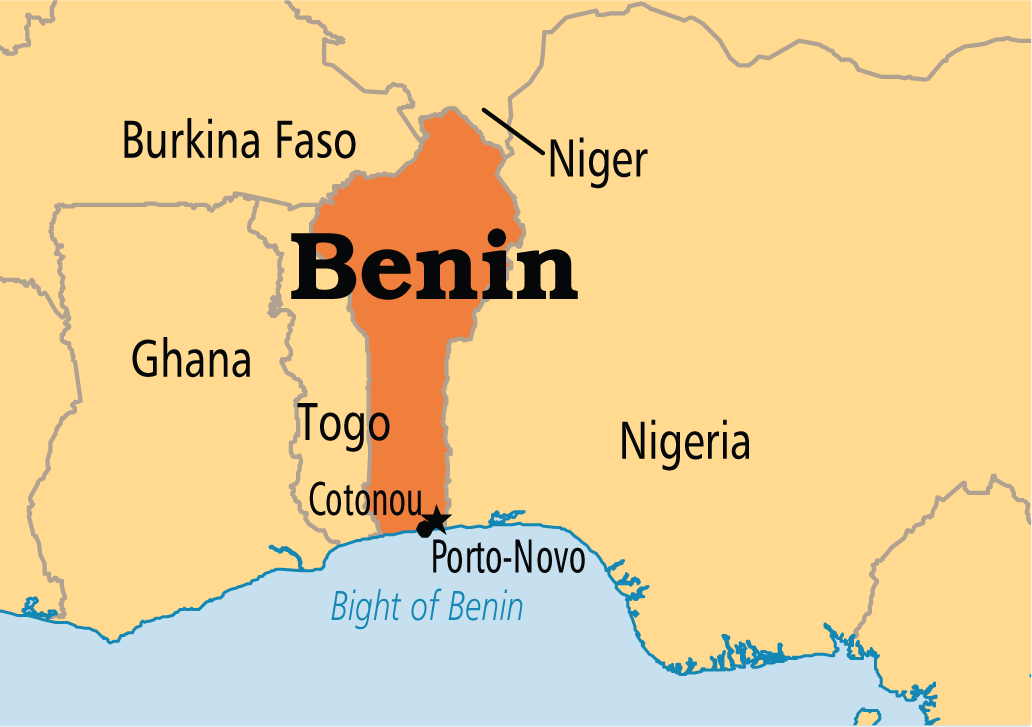
"Nigeria shares land boundaries of about 770 kilometres with Benin, 1,500 kilometres with Niger, and approximately 2,100 kilometres with Cameroon," he revealed.
He explained that the case started with Bakassi but later included the entire border, stretching from the Chad Basin through states next to Cameroon to the sea.
Mr Adaji said work began in 2002 after both countries agreed, under the United Nations, to implement the judgment.
The two countries then set up the Nigeria-Cameroon Mixed Commission, led by the United Nations, to sort out remaining border issues.
He mentioned that problems that delayed some areas have been sorted out thanks to the intervention of the presidents of both countries.
This resolution helped both countries consider the people affected and adjust the boundary lines.
"For example, a boundary line should not place a settlement that is predominantly recognised as Nigerian on the Cameroonian side while placing a settlement recognised as Cameroonian on the Nigerian side.
"The two countries, therefore, had to consider how the boundary line could be adjusted around those areas.
"That has now been finalised, and the points where the pillars will be placed have been marked," he stated.
He pointed out Koja as a significant Nigerian community affected by the boundary changes. The ICJ-defined border originally placed about 90 percent of Koja in Cameroon.
However, an agreement between Nigeria and Cameroon allowed the entire Koja community to stay in Nigeria, while some concessions were made elsewhere.
"While an area such as Koja, where Nigerians are predominant, was retained in Nigeria, an area such as Turu, where Cameroonians are predominant, was treated as a concession to Cameroon.


"That is what was done. It is not simply about defining a boundary; it is also about taking the interests of affected communities into account.
"That is something that can guarantee sustainable peace and lasting cooperation," he said.
Mr Adaji mentioned that communities along the border often share cultural, linguistic, and historical ties. This makes cooperation important after the borders are physically marked.
He added that the next phase would focus on development and providing basic needs for affected communities.
The needs of these communities have been assessed, and the NBC is working with the United Nations to improve their conditions.
"As soon as we receive support from international partners and the governments of the two countries, we will begin arrangements to provide what is necessary for the affected communities along the international boundary," he said.
Mr Adaji said finishing the Nigeria-Cameroon border marking would shift focus from just defining the border to managing communities and promoting development along the border area.
He stressed that Nigeria and Cameroon will continue to be neighbors, and respecting the international border must include measures to protect the welfare of border communities.
The NBC head also revealed that the commission has created what he called the first ECOWAS platform for cross-border cooperation in West Africa.
Local committees have also been set up at the state level to promote cooperation between states and neighboring communities across international borders.
He explained that cross-border cooperation would help share information, fight smuggling, and manage migration. This will also allow legitimate movements and community relationships to be properly documented.
"We cannot prevent people from moving around, because this is not a war between Nigerians and their neighbours. The communities are often the same.
"Sometimes, if you move a short distance, you have entered another country.
"There are people whose houses or farmlands may straddle the boundary, with part on one side and part on the other.
"That kind of situation calls for cooperation and cross-border engagement," he said.
On Nigeria's maritime boundaries, Mr Adaji noted that the country shares boundaries in the Gulf of Guinea with Equatorial Guinea, Cameroon, Ghana, and Benin.
He explained that maritime boundaries are set through coordinates and maps, not physical markers on the ground.
He mentioned that Nigeria’s maritime boundary with Cameroon has been sorted out, while about three nautical miles still need to be resolved with Equatorial Guinea.
He added that about eight nautical miles remain under negotiation with Ghana, while the maritime boundary with Benin is defined by treaty.
Mr Adaji said the commission is working to properly define Nigeria’s maritime boundaries and set coordinates to guide naval operations and shipping activities.

Drop your comment
No comments yet — be the first to drop the gist 👇