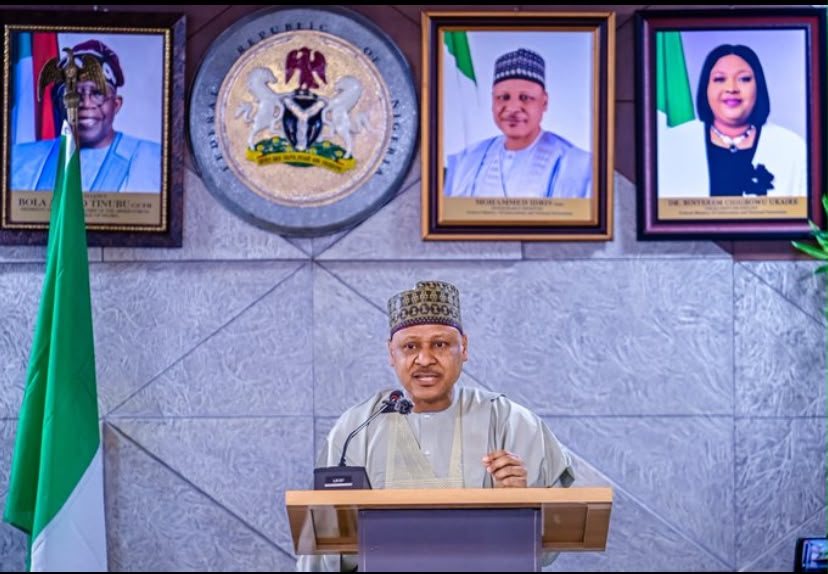
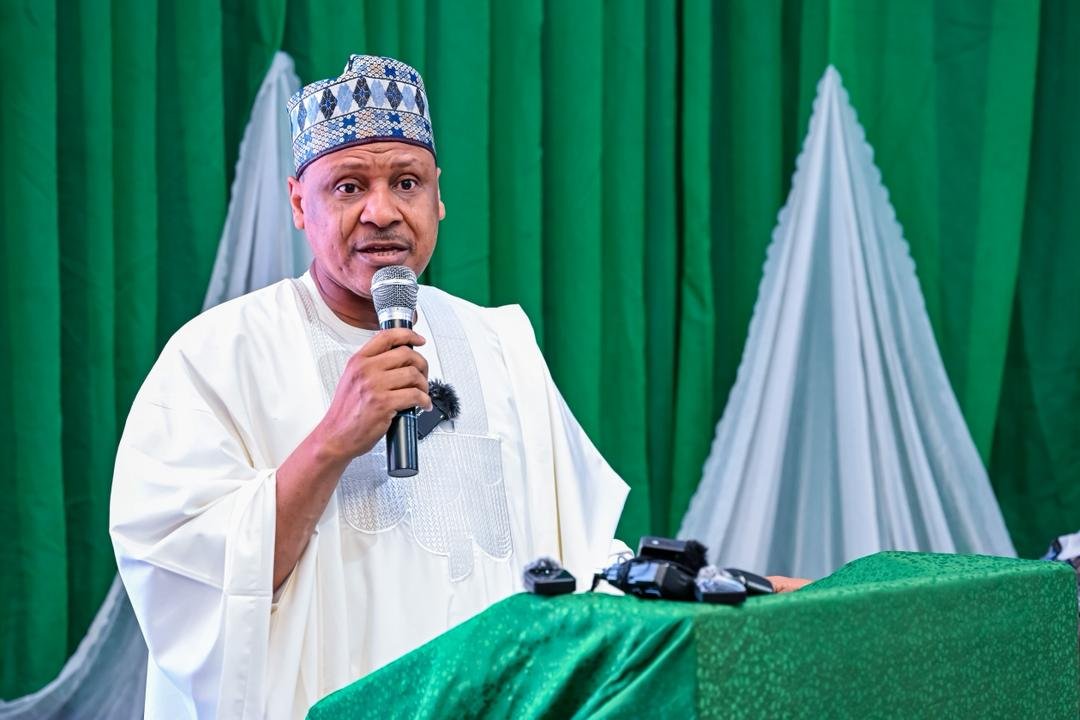
The Minister of Information and National Orientation, Mohammed Idris, announced on Wednesday that Nigeria has received UNESCO approval to set up a Media and Information Literacy Centre in Abuja. This centre will be a Category 2 institute.
Mr Idris explained that this new institute is part of the Nigerian government's efforts to fight fake news, misinformation, and disinformation.
He made this announcement during his keynote speech on the fourth day of the World Public Relations Forum in Abuja.
“In Nigeria, we have taken a step forward by applying for, bidding for, and winning the first-ever Media and Information Literacy Centre, and it’s a UNESCO Category 2 institute here in Abuja. This is Nigeria’s contribution to help tackle the menace of fake news, misinformation and disinformation,” he said.
Government Communication Strategy
On the topic of government communication, the minister said the Tinubu administration is focusing on transparency, citizen engagement, and national values to promote unity and social harmony.
“Government communication must go beyond just announcing policies or explaining decisions. It should also encourage dialogue and build public trust. Gone are the days when leaders gave information to citizens, and citizens were expected to accept it without feedback.
“Today, communication is very sophisticated, especially with technology's role. In Nigeria, under President Bola Ahmed Tinubu’s leadership, we focus on transparent communication, citizen engagement, and national values. All these elements help promote national unity and foster social cohesion among our people,” he added.
Mr Idris also promised that the government will keep working with the media and civil society groups while using technology to improve Nigeria’s communication strategy.
“We in Nigeria, and I believe this is true worldwide, work with the media, work with civil society, and adopt technology. But while doing this, we also have a role to strengthen information credibility while adapting to and embracing technology,” he said.
Challenges of Misinformation
The establishment of the centre comes at a time when there are worries about the spread of false information, especially on social media and other digital platforms. Here, unverified claims, manipulated content, and fake reports can spread quickly and influence public opinion.

Misinformation is false or inaccurate information shared without an intention to deceive, while disinformation is deliberately creating and spreading false information to mislead the public. Fake news is generally made-up or misleading content presented as real news.
In Nigeria, this kind of information can harm public trust, national security, democratic participation, and social harmony. False claims about government policies, political events, elections, ethnic and religious issues, and health matters can increase tensions, mislead people, and weaken confidence in public institutions.
A Media and Information Literacy Centre could help solve these issues by teaching Nigerians how to assess information critically, spot misleading content, verify claims, and tell the difference between credible news and fake or manipulated material.
Through research, training, public awareness campaigns, and partnerships with media organizations, schools, tech companies, and civil society groups, the institute could also raise professional standards in information sharing and promote responsible digital citizenship.
As a UNESCO Category 2 institute, the centre can further provide a space for international cooperation, knowledge sharing, and developing policies and programs to enhance media and information literacy in Nigeria and beyond.
Delegates from 126 countries are currently attending the World Public Relations Forum in Abuja.
While addressing the delegates, Mr Idris stated that Nigeria's citizenship and indigenisation policies are open to foreigners who want to make Nigeria their home.
“For those coming for the first time, our policy of indigenisation and citizenship is open. Anyone interested in staying in Nigeria or coming back, our doors are open. All of you, our friends from the 126 countries here, are welcome to Nigeria,” he said.
Mr Idris assured that the Tinubu administration will continue to promote understanding between Nigerians and citizens of other countries to encourage peaceful living.
“The government of Nigeria, led by President Bola Ahmed Tinubu, will always provide a platform for creating understanding between citizens so that the world can live in peace forever,” he added.
Drop your comment
No comments yet — be the first to drop the gist 👇