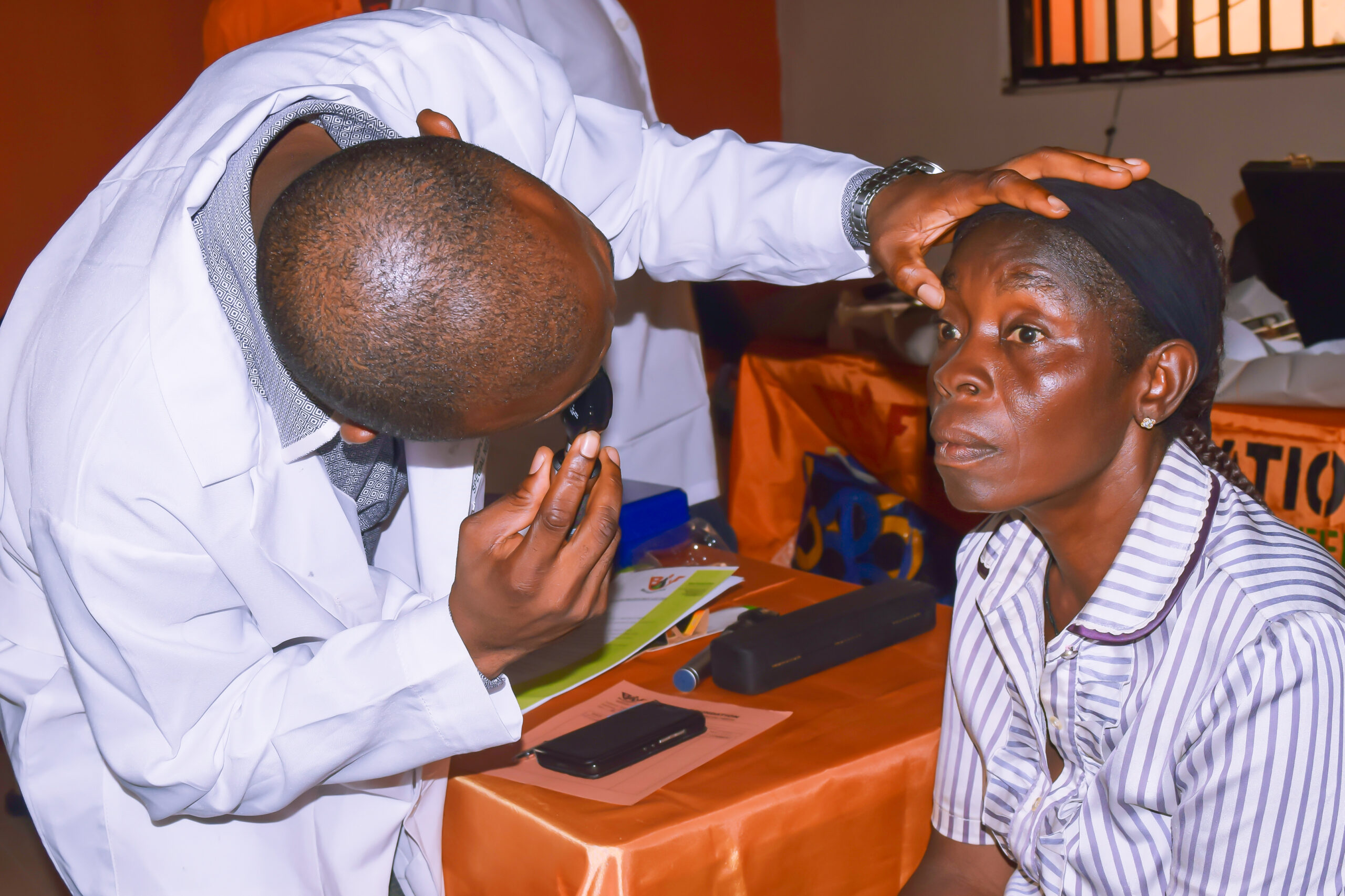
Nigeria is getting closer to getting rid of trachoma, the top infectious cause of blindness worldwide. Only 11 local government areas (LGAs) still need to reach elimination status, according to the Federal Ministry of Health and Social Welfare.
At the Accelerate Trachoma Elimination Programme Learning Event held by SightSavers Nigeria in Abuja on Thursday, the ministry revealed that the country has made more than 85 percent progress in eliminating the disease as a public health issue.
Nicholas Olobio, the director and programme manager of the National Trachoma Programme, mentioned that Nigeria has stopped Mass Drug Administration (MDA) in 116 out of 134 previously affected LGAs after meeting the World Health Organisation (WHO) elimination standards.
He stated that this achievement shows about 87 percent progress in eliminating trachoma in the areas that are affected. Mr Olobio also noted that Nigeria has performed over 100,000 trachoma trichiasis (TT) surgeries, surpassing the estimated target of 150,000, bringing the country closer to its goal of preventing blindness caused by the disease.
He added that the ministry has ramped up surveillance in areas where transmission is still happening to avoid a return of the disease. Mr Olobio explained that besides regular impact surveys, health workers now collect conjunctival swab samples to check if active infections are still present in communities with ongoing transmission.
He pointed out that better environmental sanitation has helped eliminate trachoma in other countries and is key to Nigeria's strategy for getting rid of the disease. The News Agency of Nigeria (NAN) reports that trachoma, the leading infectious cause of blindness, is caused by a bacterium known as Chlamydia trachomatis.
The World Health Organisation (WHO) explains that the infection spreads through direct or indirect contact with eye and nose discharges from infected individuals, especially young children. It can also be transmitted by certain types of flies.
Adamu Mohammed, the chairman of the National Trachoma Task Force, highlighted the task force's role in creating national guidelines for eliminating trachoma. He noted they ensure these guidelines follow international standards and protocols.
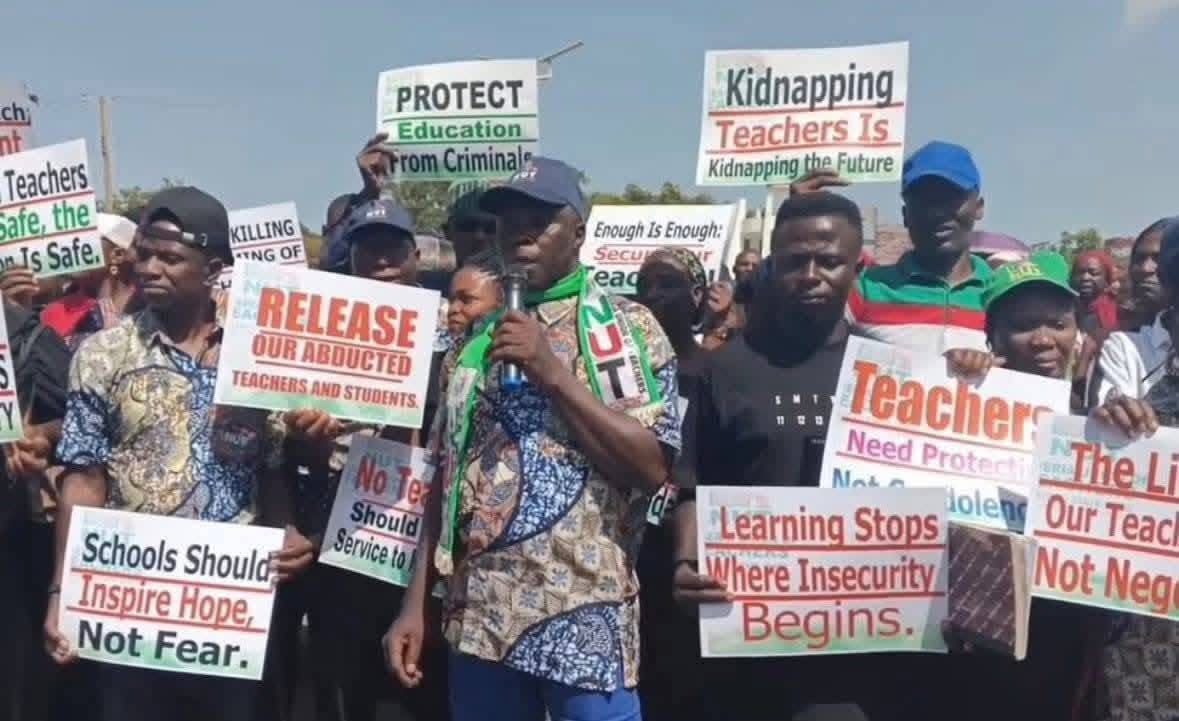


Mr Mohammed, who is also a consultant ophthalmologist, explained that the task force collaborates with key partners to oversee trachoma surgeries, MDA, and surveillance efforts aimed at achieving complete elimination nationwide. He said that insecurity is the biggest challenge to achieving nationwide elimination.
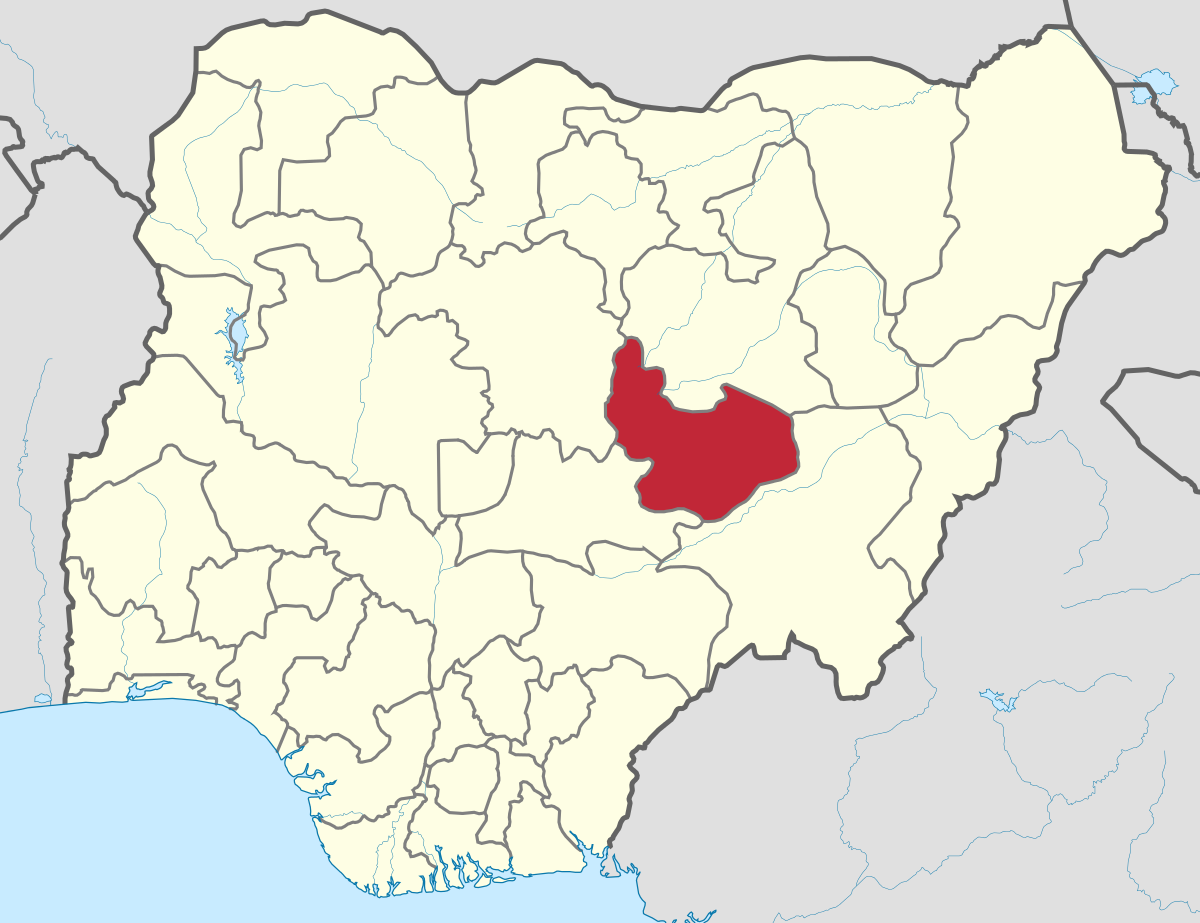
He mentioned that seven of the remaining 11 endemic LGAs are in Borno State, where security issues continue to limit access for health workers. “Most of the LGAs yet to achieve elimination are hard to access because of insecurity,” he stated.
“Our partners have done a great job, but insecurity still restricts access to affected communities. There is only so much partners can do without proper security.” He called on the government to improve security and ensure health workers can reach remote communities to deliver medicines, surgeries, and other necessary help.
Teyil Wamyil-Mshelia, the country Trachoma coordinator for SightSavers Nigeria, said the organisation's Accelerate Trachoma Elimination Programme has greatly sped up Nigeria’s progress since it started in 2018. Ms Wamyil-Mshelia mentioned that using the WHO SAFE strategy, the organisation has carried out over 60,000 TT surgeries across 195 LGAs and distributed nearly 29 million doses of azithromycin in communities affected by the disease.
She added that the programme has conducted 174 trachoma surveys, trained at least 50,000 community case finders, and improved digital tracking, hygiene promotion, and behaviour change initiatives. She explained that this has helped maintain Nigeria’s progress in eliminating trachoma as a public health issue.
The event brought together government officials, development partners, trachoma experts, and other stakeholders to highlight achievements, share lessons learned, and reaffirm the commitment to eliminating trachoma in Nigeria.

Drop your comment
No comments yet — be the first to drop the gist 👇