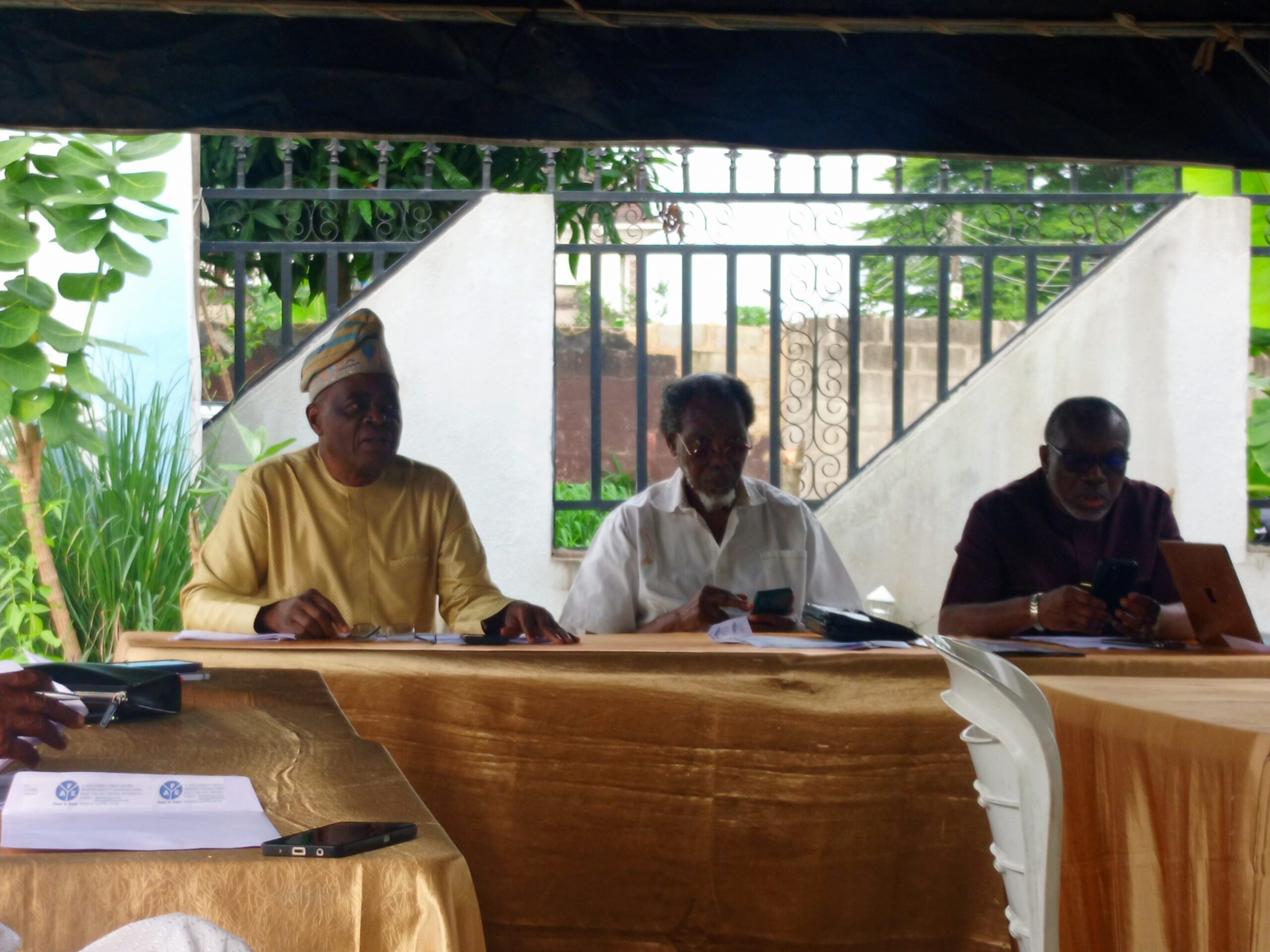
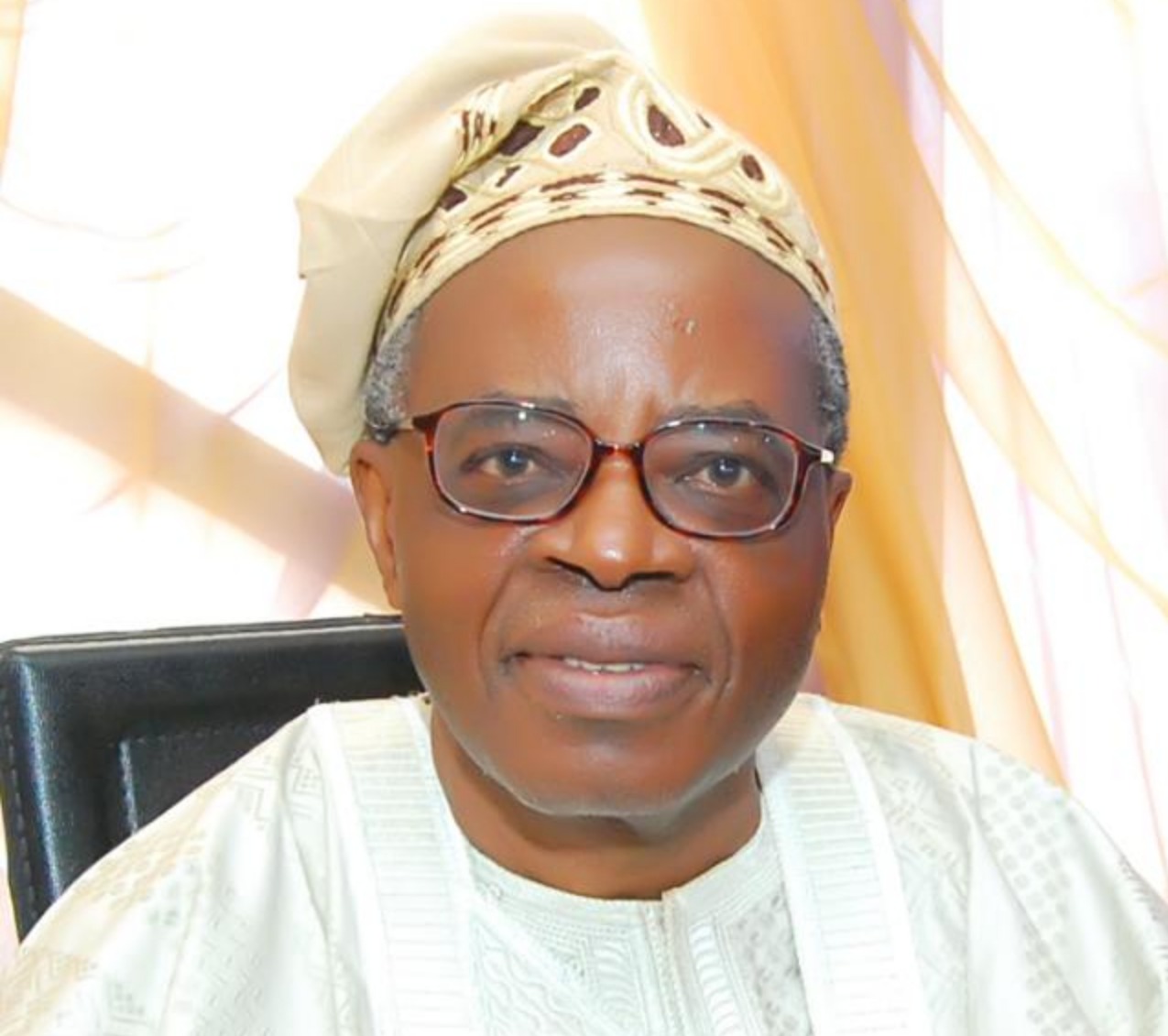
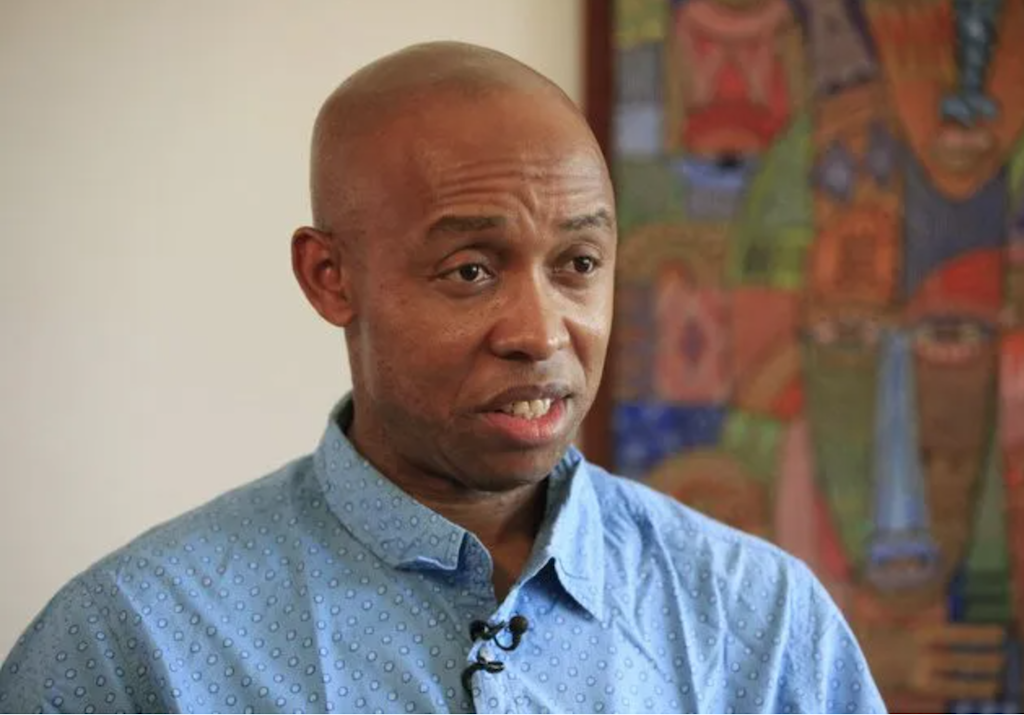
The Chairman of the Nigerian Bar Association (NBA) Anti-Corruption Committee, Babafemi Badejo, said Nigeria cannot defeat corruption just with laws and enforcement agencies. He believes the country needs a moral shift to fix years of institutional decay.
Mr Badejo spoke on Sunday in Lagos at the first Magodo Associates Seminar Series. He presented a paper titled ‘Re-awakening the Nigerian Conscience Against Corruption.’
He mentioned that Nigeria has set up anti-corruption bodies like the Economic and Financial Crimes Commission (EFCC) and the Independent Corrupt Practices and Other Related Offences Commission (ICPC). But the fight against corruption still faces many challenges.
Despite many prosecutions and some recovery of stolen public funds, Mr Badejo, a professor, said worries about weak institutions, selective enforcement, and acceptance of unexplained wealth in society keep affecting how people view the fight against corruption.
The political scientist and former Deputy Special Representative of the United Nations Secretary-General for Somalia explained that corruption has gone from being a few bad acts to being deeply rooted in public institutions, private firms, and communities.
He said that corruption is mainly “a moral problem needing ethical reorientation” and not just a legal issue needing prosecution.
“Corruption in Nigeria has evolved from a deviance to a norm, from an exception to an expectation, and from a secretive transaction to a publicly celebrated achievement,” he stated.
Mr Badejo pointed out that families, religious groups, and communities often celebrate wealth without asking how it was made. This habit weakens the moral compass of society.
He noted that people who seem to have made their wealth through corrupt means are often given leadership roles in religious and community groups because of their money.
“When society consistently rewards the fruits of corruption while neglecting integrity, corruption becomes normalised, socially endorsed and actively encouraged,” he said.
He called this trend “moral anaesthesia,” saying that seeing corruption without consequences has made it hard for society to tell right from wrong.
Mr Badejo admitted that Nigeria has a strong legal framework against corruption but said that prosecution alone will not work if society keeps praising corrupt officials.
“The EFCC can arrest a thousand corrupt officials, but if society celebrates such people as heroes, the war is already lost,” he explained.
He argued that laws work best when they support existing moral values. He warned that countries with weak ethical foundations need too much enforcement to fight corruption.
Looking back at Nigeria’s history, Mr Badejo explained that traditional societies had community rules that checked power abuse, even with corrupt practices.
He mentioned examples from the Oyo Empire, the Benin Kingdom, the Sokoto Caliphate, and Igbo communities, saying that accountability mechanisms helped prevent misconduct.
He also talked about controversies involving Nigeria’s early political leaders, like Nnamdi Azikiwe, Obafemi Awolowo, Ahmadu Bello, and Abubakar Tafawa Balewa. He said that early discussions about ethics and public accountability were not taken seriously and that this led to the fall of the First Republic.
According to him, military governments that followed made corruption worse, even though they often came to power promising to fight it.
He pointed to wartime procurement under Yakubu Gowon, the Structural Adjustment Programme under Ibrahim Babangida, and the looting linked to the late Sani Abacha as times when corruption worsened in government.
Mr Badejo also looked at anti-corruption efforts under different civilian governments. He said inconsistent enforcement and political meddling have hurt public trust, even with reforms and prosecutions.

He said that corruption has caused huge economic and social problems for Nigeria, including losses in the oil and gas sector and damage to healthcare, education, infrastructure, and other public services.
He also connected corruption in the defence sector to increased insecurity, saying that diverting public money has weakened security agencies' ability to fight terrorism, banditry, and kidnapping.
According to him, the resulting insecurity has displaced communities, disrupted businesses, and reduced trust in government.
To change this, Mr Badejo called for reforms focused on ethics and accountability.
He suggested adding integrity and civic responsibility to school lessons, better protection for whistleblowers, more support for investigative journalism, and greater involvement of religious groups in promoting ethical values.
He also urged traditional leaders to stop giving honours to people of questionable integrity and asked anti-corruption agencies to pair prosecutions with ongoing public education.
He said judicial reforms, open procurement processes, and leading by example in government and society would boost the fight against corruption.
“The war against corruption cannot be won by anti-corruption agencies alone. It must be won in the hearts and minds of the Nigerian people,” he stated.
Speaking after the seminar, the Chairman of the Magodo Associates, Remi Aromiwura, said the event was meant to spark public discussion on issues that can shape policies and societal values, starting with corruption.
He said the group chose Mr Badejo, a member, because corruption is one of Nigeria’s biggest problems.
According to him, the seminar’s communiqué will be shared through traditional and social media to keep the public engaged and talking about policies.
He added that while the group was started by alumni and former teachers from the University of Lagos, it has now included younger professionals to ensure continuity.
The chairman said the group has done community development projects, including career guidance, educational support, welfare activities, and campaigns against irregular migration.
Also speaking after the seminar, Mr Badejo stressed that Nigeria’s fight against corruption must start with everyone agreeing that corruption is a serious threat to the country.
“If we don’t kill corruption, corruption will kill us,” he said.
He emphasized that fighting corruption is not just the job of government bodies. Families, communities, schools, religious groups, and the private sector all have roles in rebuilding a culture of integrity.
While he recognized the risks faced by whistleblowers, he called for better legal protections to help citizens report wrongdoing without fear.
He added that bringing back honesty and accountability in homes and communities is key to reversing Nigeria’s moral decline. He said that lasting change needs commitment from leaders, institutions, and citizens.

Drop your comment
No comments yet — be the first to drop the gist 👇