Civil society groups from Africa are urging governments to move beyond just talking about fighting corruption. They want leaders to enforce the laws already in place. They say weak accountability is allowing grand corruption to thrive, costing the continent billions of dollars needed for growth.
The groups made this call in a joint statement shared with PREMIUM TIMES on Saturday. This was done to mark the 2026 African Anti-Corruption Day, which is celebrated under the African Union (AU) theme, “Scaling Up the Promotion of Integrity and Anti-Corruption Actions Across Africa.”
African Anti-Corruption Day is observed every year on July 11. It remembers the adoption of the African Union Convention on Preventing and Combating Corruption (AUCPCC) in 2003. This convention serves as the continent’s legal guide for fighting corruption. This year, the focus is on turning anti-corruption promises into real actions.
The organizations pointed out that while African nations have set up anti-corruption agencies, financial intelligence units, audit institutions, and procurement rules, the main issue is enforcing these laws. They believe that without enforcement, integrity cannot be achieved.
Mathieu Pourchier, the Executive Director of Tournons La Page, said, “Africa does not lack anti-corruption commitments. The continent has laws, conventions, anti-corruption agencies, financial intelligence units, audit institutions, ombudsman offices, procurement rules and regional accountability frameworks. What remains urgent is enforcement. Integrity cannot be scaled up if powerful people and their conspirators can steal public resources, launder the proceeds, intimidate truth-tellers and escape accountability.”
The groups emphasized that the costs of weak enforcement are staggering. They cited estimates from the United Nations Conference on Trade and Development (UNCTAD), stating that Africa loses around $88.6 billion every year to illegal financial activities. This amount is about 3.7 percent of the continent’s gross domestic product.
They noted that these lost funds could have been used to build schools, hospitals, water systems, create jobs for young people, and support social protection programs across Africa. The groups said grand corruption is particularly harmful as it weakens institutions, distorts elections, undermines public services, and protects those connected to power from facing consequences.
Olanrewaju Suraju, chair of the Human and Environmental Development Agenda (HEDA) Resource Centre, said that addressing this issue needs stronger prevention, investigations, prosecutions, asset recovery, and international cooperation. He pointed out that stolen public wealth is often hidden through cross-border financial systems, including banks, shell companies, offshore accounts, and professional facilitators.
The organizations also reiterated their support for the proposed International Anti-Corruption Court (IACC). They believe this court would help national justice systems by handling grand corruption cases when local authorities cannot or will not act. They said the court would be a last resort, promote international accountability, and assist in recovering stolen public assets.
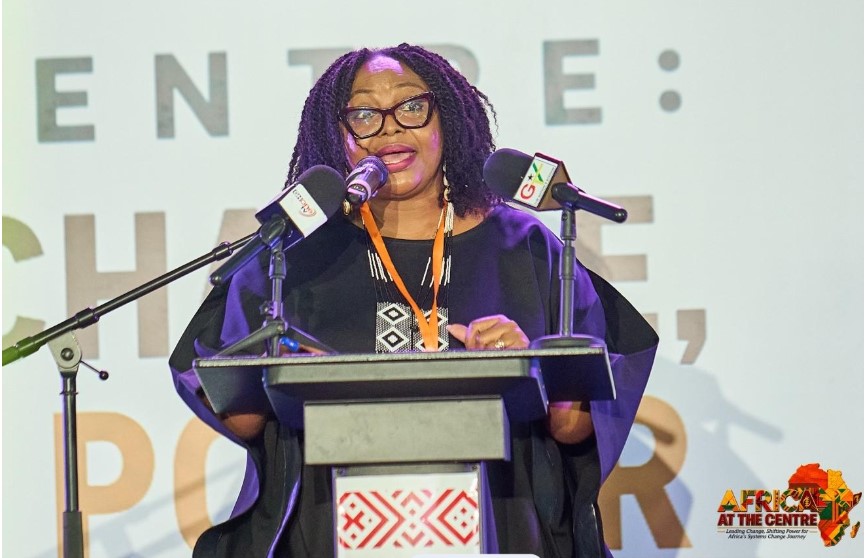
Laura Jaymangal, Acting Chief Executive Officer of Transparency Mauritius, said, “Africa does not suffer from a lack of anti-corruption commitments; it suffers from an accountability deficit. Scaling up integrity means closing the gap between promises and consequences by ensuring that no public official, business leader, or politically connected individual is above the law.”
Jaymangal added that while strengthening national institutions is important, international systems like the proposed court should be considered when local systems fail to tackle grand corruption. She urged that stolen public wealth should not find safe havens.
The organizations called on African governments to enforce anti-corruption laws fairly, protect whistleblowers, journalists, activists, and honest officials. They also want better transparency in public procurement, land administration, natural resource contracts, and public finance. Additionally, they want to improve efforts against money laundering and asset recovery.
Karam Singh, head of Liaison and Advocacy at Good Governance Africa, said Africa will struggle to meet the goals of the AU’s Agenda 2063 if public resources are continually misused. Agenda 2063 is the African Union’s long-term plan for inclusive growth, good governance, and sustainable development across the continent.
Singh emphasized that where political interference weakens local institutions, African countries should look to regional and international accountability systems to fight grand corruption. Justice Richard Goldstone, a board member of Integrity Initiatives International, urged leaders, public institutions, the private sector, civil society, the media, and citizens to go beyond awareness campaigns. He said they should strengthen systems that prevent abuse of office, challenge corruption, and recover stolen public wealth. He noted that corruption should be seen as an attack on development, democracy, and human dignity. He urged African governments to turn their anti-corruption commitments into real action.

Drop your comment
No comments yet — be the first to drop the gist 👇