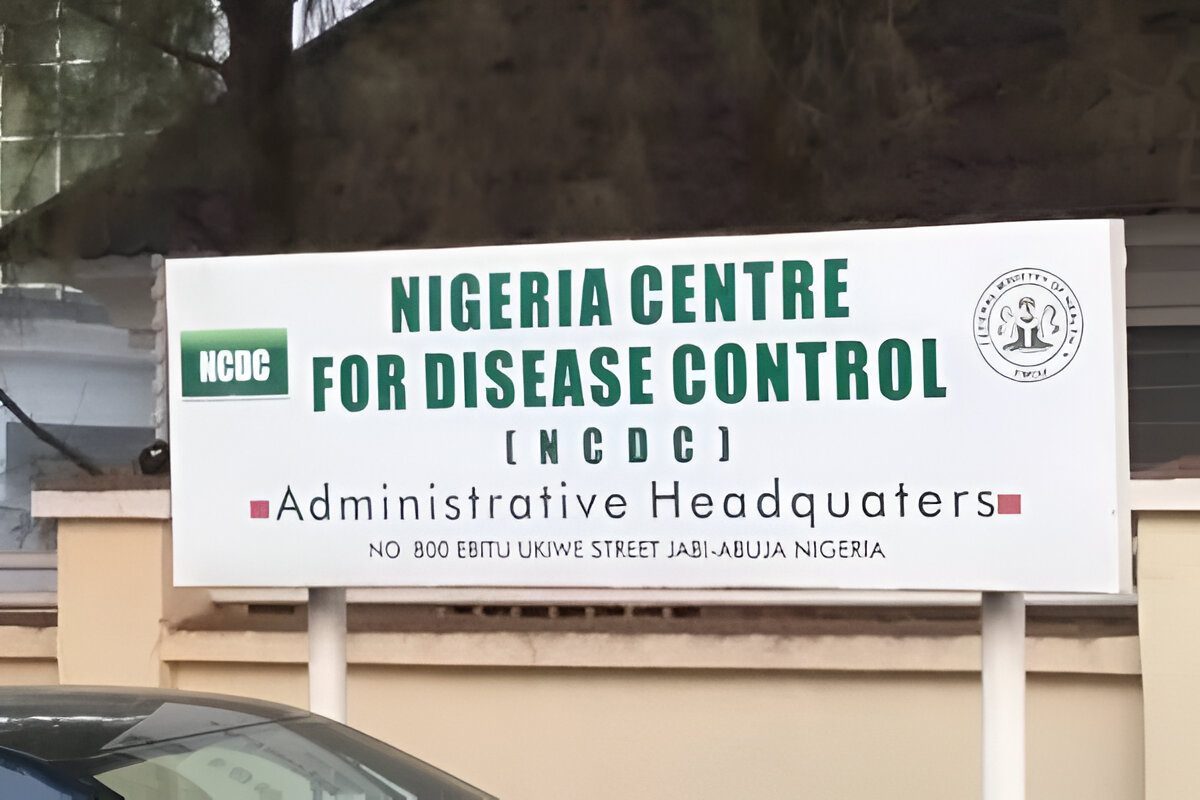
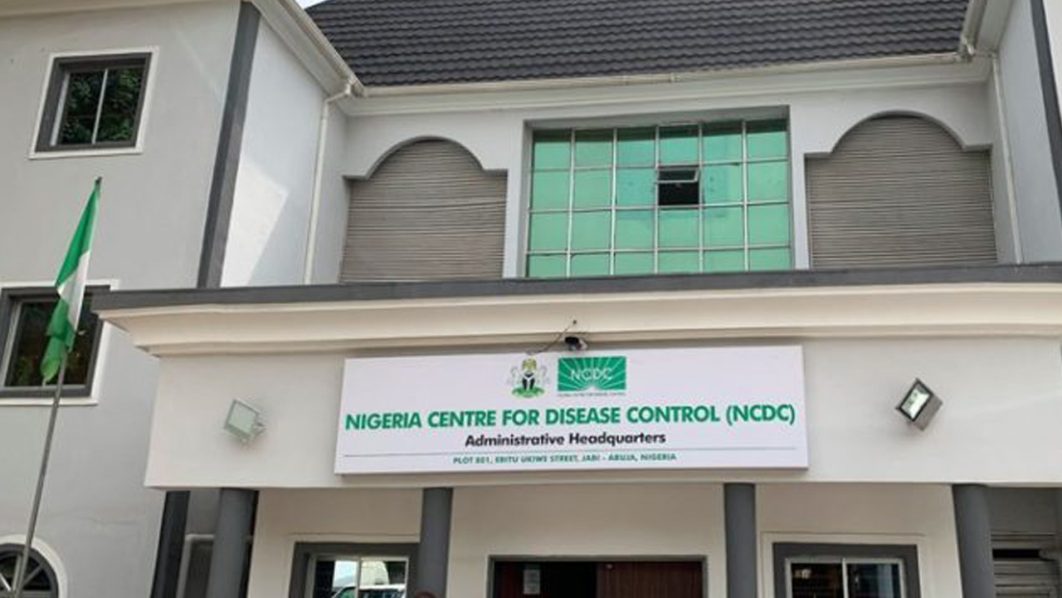
The Nigeria Centre for Disease Control and Prevention (NCDC) has reported that Lassa fever is more deadly this year. There have been 221 deaths, and the case fatality rate is now 24 per cent. This is up from 18.7 per cent during the same time in 2025.
The NCDC shared these details in its Lassa fever situation report for epidemiological week 26, which came out on Friday.
The report also noted an increase in confirmed infections. There were 31 new cases last week, compared to 22 in the week before.
A total of 23 states have seen at least one confirmed case across 111 local government areas this year. This shows that the disease is spreading across the country.
Five states account for most infections
The NCDC said that 85 per cent of all confirmed cases came from Ondo, Bauchi, Taraba, Edo, and Benue states. The other 15 per cent were reported from other places.
Ondo had the highest number of confirmed infections at 30 per cent. Bauchi followed with 26 per cent, then Taraba at 14 per cent, Edo at nine per cent, and Benue at six per cent.
People aged 21 to 30 years are the most affected group. However, confirmed cases have been reported in people from one to 93 years old.
The ratio of males to females among confirmed cases is 1:0.9. This means men and women are almost equally affected.
Why deaths remain high
The NCDC said the high death rate is due to several ongoing challenges. These include late presentation of cases, poor health-seeking behaviour because treatment is costly, poor environmental sanitation in affected areas, low public awareness, and infections among healthcare workers.
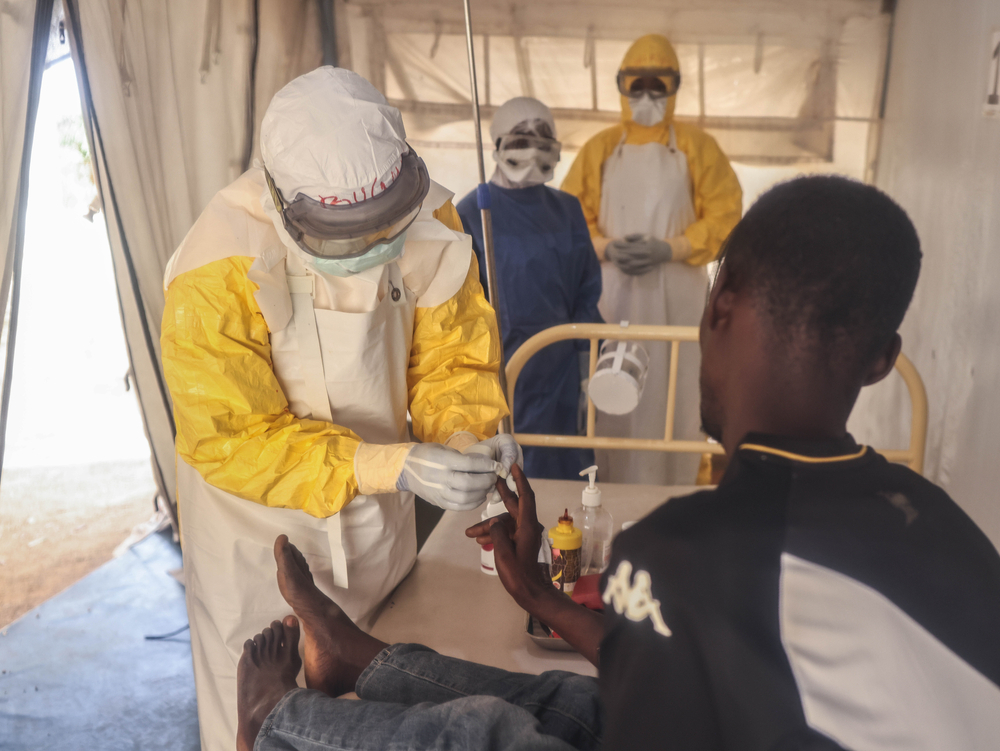
The agency mentioned that one healthcare worker was infected during week 26.
Response efforts intensified
To manage the outbreak, the NCDC said the National Lassa Fever multi-partner, multi-sectoral Incident Management System is active. This system coordinates surveillance, case management, risk communication, and response activities across Nigeria.
In the past week, the agency and its partners helped train healthcare workers in case management, active case search, contact tracing, and infection prevention and control. They also engaged communities, distributed personal protective equipment, conducted laboratory testing, and sent high-level field teams to affected states.
The NCDC urged state governments to keep engaging communities year-round on Lassa fever prevention. Healthcare workers were advised to stay alert for the disease, start timely referrals and treatment, and strictly follow infection prevention and control procedures.
Lassa fever
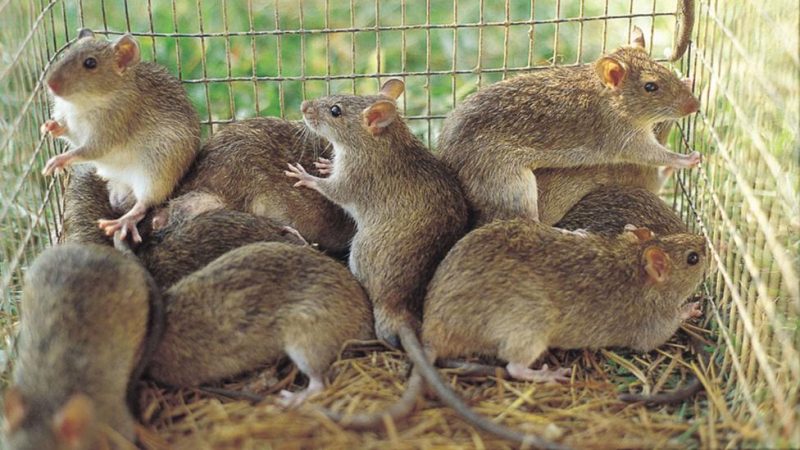
Lassa fever is an acute viral haemorrhagic illness caused by the Lassa virus. It spreads to humans mainly through contact with food or items contaminated by the urine or faeces of infected rats.
It can also spread from person to person through contact with bodily fluids.
The disease usually starts with fever, weakness, and headache. It can become severe, leading to bleeding, trouble breathing, swelling, and organ failure.
Early diagnosis and prompt treatment with Ribavirin are critical for improving survival.



Drop your comment
No comments yet — be the first to drop the gist 👇