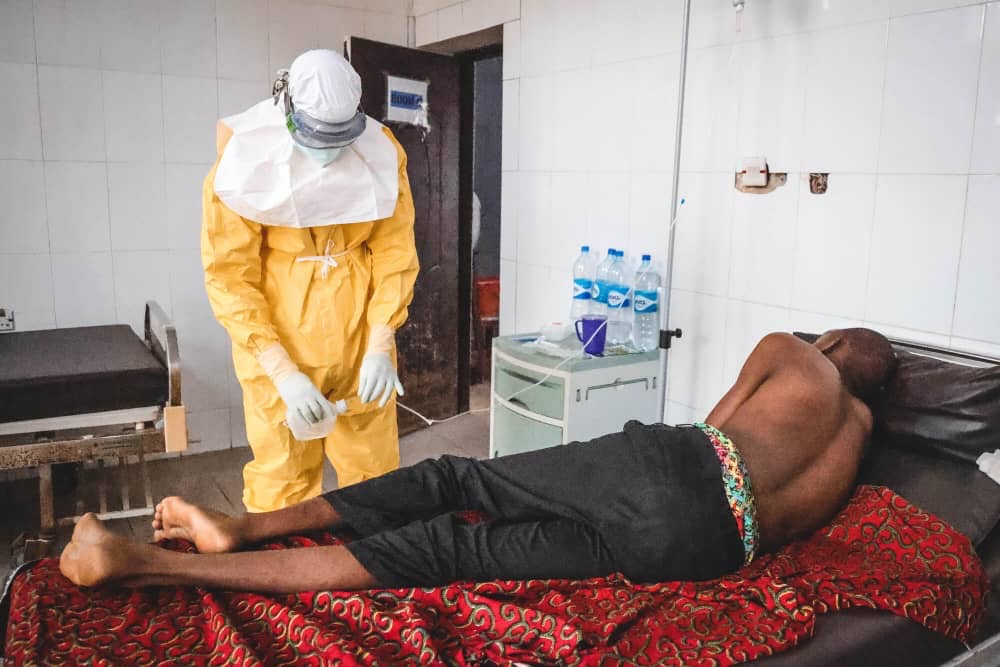
Nigeria is facing a serious problem with Lassa fever. Despite funding cuts, the situation is getting worse. By the end of 2024, the Nigeria Centre for Disease Control and Prevention (NCDC) reported 1,309 confirmed Lassa fever cases and 214 deaths. In 2025, the disease spread to 21 states, taking the lives of 201 people, with a case fatality rate of 18.4 percent. This is higher than the 16.6 percent from the previous year.
As of last month, NCDC confirmed that 167 people had died, with a staggering 25.2 percent case fatality rate. There are over 663 confirmed cases, including 38 healthcare workers. The disease is spreading across local government areas in 22 out of Nigeria’s 36 states and the federal capital. The situation is not getting better; it is getting worse.
Healthcare workers are bearing the brunt of this outbreak, accounting for a large number of infections and deaths. This alarming trend should make every policymaker sit up and pay attention. Why are we allowing a disease that can be prevented to take down the very health workers we need? These workers are on the front lines, fighting to protect the public, yet they are getting sick and dying.
This is not the first time Nigeria is dealing with Lassa fever, which makes the current situation even more unacceptable. The disease has been around since 1969. We know how it spreads and which states are at high risk. Yet, every year, we see outbreaks in the same communities, with new areas becoming affected. The gaps in protection keep leading to more lives lost.
Lassa fever is not a mystery. We understand how it spreads and how to prevent it. The problem is the lack of political will to invest in the necessary resources to stop it.
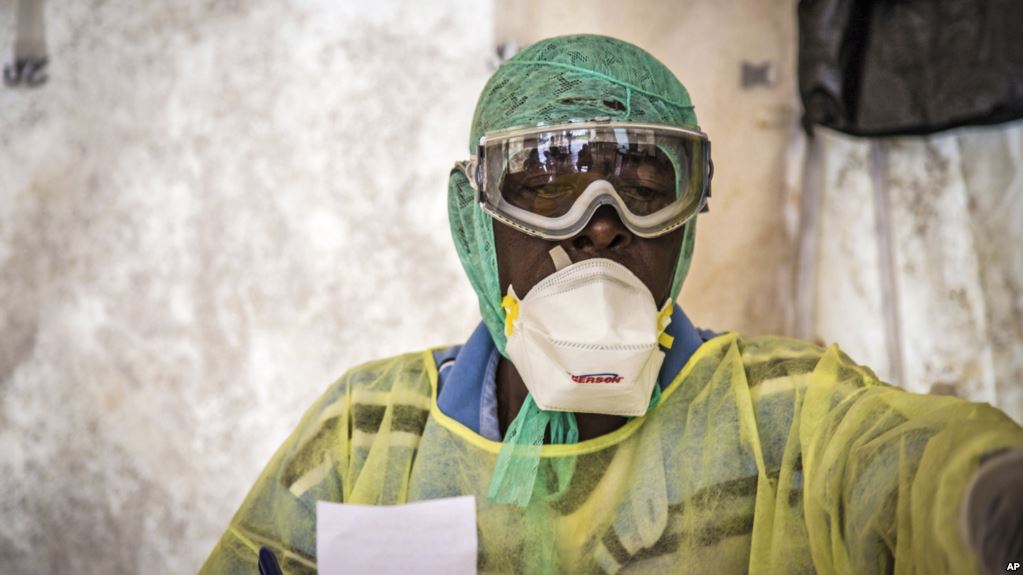
When health workers get sick, the entire healthcare system suffers. They treat patients in unsafe conditions, using personal protective equipment (PPE) that is often late in arriving, runs out quickly, or is simply not available. Nigeria already struggles with a shortage of healthcare workers, as many doctors and nurses leave the country each year.
When those who are left fall ill from a disease they should be protected from, the consequences are serious. Surgeries get postponed, mothers may not get the care they need during childbirth, and maternal deaths increase. Each health worker lost to Lassa fever is a loss that affects many patients they could have treated.
The priority now should be to protect the health workers who are still on duty. Many primary healthcare facilities in areas hit by Lassa fever do not have isolation facilities. Governments need to invest in proper isolation wards, ensure that PPE is always available, and create quick response plans for suspected cases.
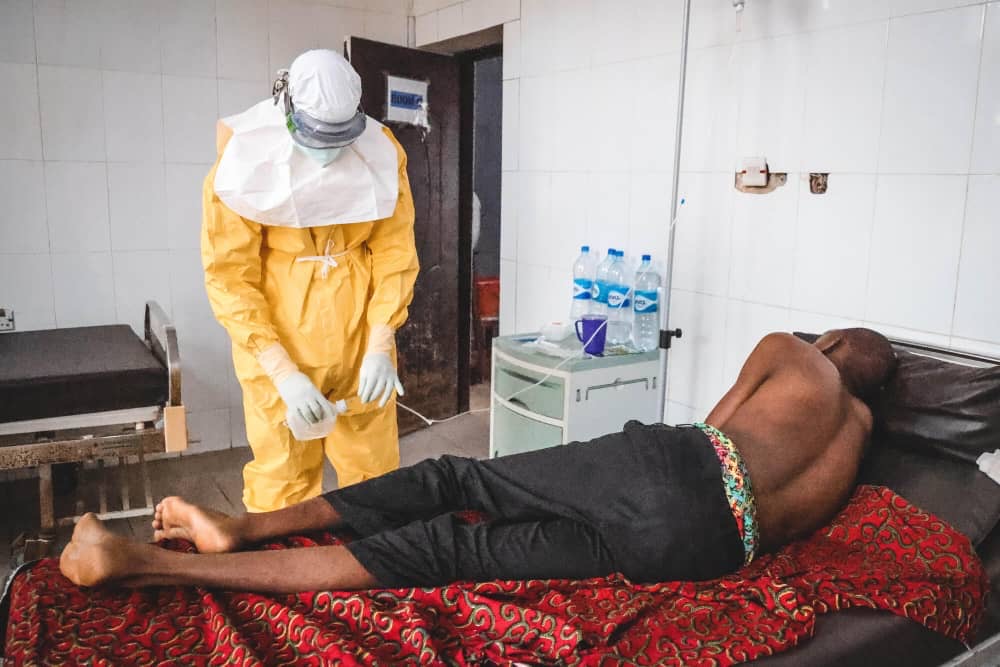
Additionally, Ribavirin, the antiviral drug that can reduce Lassa fever deaths if given early, needs to be available in affected areas before the peak of the outbreak. It should not be requested in the middle of a crisis when supply chains are already under pressure. Health workers must not have to improvise protection while dealing with a dangerous disease.
Knowledge is key to protection. Frontline workers in areas with Lassa fever should receive regular training on how to use PPE, how to manage suspected cases, and how to handle samples safely. When a nurse gets infected from a patient, it should not just be seen as a tragedy. It is a sign of negligence because the right training and tools were not provided. Preventing infection should be a basic requirement, not an advanced skill.
In early 2024, before the last outbreak was reported, Rivers State’s Public Health Emergency Operations Centre (PHEOC) began preparing by stocking up on medicines, PPE, and other supplies. They also started community mobilization and risk communication activities. Infection prevention trainings took place, isolation facilities were improved, and support for both staff and equipment was provided. By the time they had suspected cases, frontline workers were better prepared.
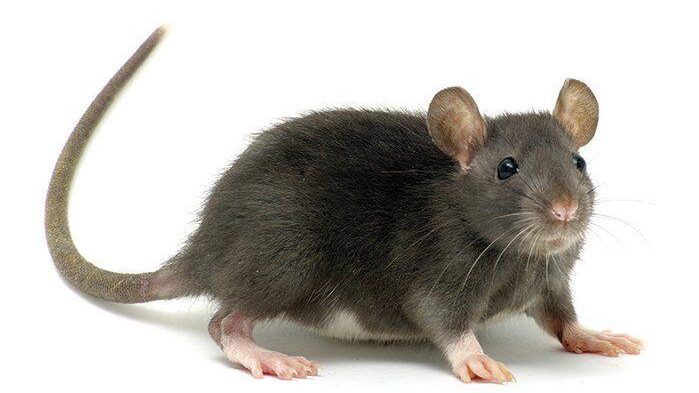
Dealing with Lassa fever only in hospitals is not enough. The rats that carry the virus thrive in crowded homes, poor food storage, and bad waste management. Community efforts to control rodents, improve food storage, and run public education campaigns in local languages can help prevent the spread of the disease. Sadly, these programs are often underfunded, allowing the virus to return each year.
Lastly, health workers face emotional and psychological challenges as they treat Lassa fever patients. The fear of getting infected, witnessing colleagues die, and losing patients takes a toll. There should be hazard pay for these workers, along with mental health support.
Burnout and emotional strain are causing many healthcare workers to leave the field. A health system that does not care for its workers in every way cannot be surprised when they decide to go elsewhere. Every health worker who dies from Lassa fever does not just die from the virus. They die from a lack of proper PPE, poor facilities, and the failure to provide necessary training. Nigeria must choose to act urgently to protect those who protect us, or continue to count the dead and call it an outbreak. The choice is ours to make.




Drop your comment
No comments yet — be the first to drop the gist 👇