
Last December, Nigeria’s National Oil Spill Detection and Response Agency (NOSDRA) found methane levels at an oil site in Bille, Rivers State, at concentrations 10,000 times higher than normal. Amnesty International reported that this spike affected the health of residents, causing many to fall ill and some to leave their homes.
This case is serious, but it is not the only one. Methane emissions laws are still not well enforced.
A Methane Health Crisis in Plain Sight
What happened in Bille shows a bigger problem. Millions of people in the Niger Delta live near oil and gas facilities that leak and burn methane into their air and surroundings. A review of studies in Nigeria’s gas-flaring regions found that 43 percent of people living in affected areas suffer from respiratory diseases.
A recent documentary by Policy Alert and We The People, with help from the Natural Resource Governance Institute (NRGI), highlights this issue. It shows mothers caring for children with long-term breathing issues and families making trips to clinics they cannot afford. Communities report living in constant air pollution from gas flaring and leaking oil and gas sites, with little accountability for the damage to their health and environment.
Methane is known for its impact on global warming, but it also harms health directly and indirectly. New evidence connects methane emissions and related air pollution to health problems in affected communities. Analysis by the Africa Centre for Energy Policy (ACEP) shows these public health risks.
In closed or poorly ventilated areas, high methane levels can replace oxygen, causing dizziness, breathing problems, and in serious cases, unconsciousness or death. Methane also helps create ground-level ozone, which is harmful air pollution.
Gas flaring is common in oil and gas production. It burns associated gas to turn methane into carbon dioxide, which reduces the climate damage from direct methane release. But flaring can also release harmful pollutants that worsen air quality and increase health risks for nearby communities.
Dealing with methane emissions and stopping routine flaring would benefit both the climate and public health. Stronger regulations and better monitoring are needed to protect people and the environment.
The Economic Cost of Inaction
The health effects of methane should push for action. But the economic reasons are just as strong.
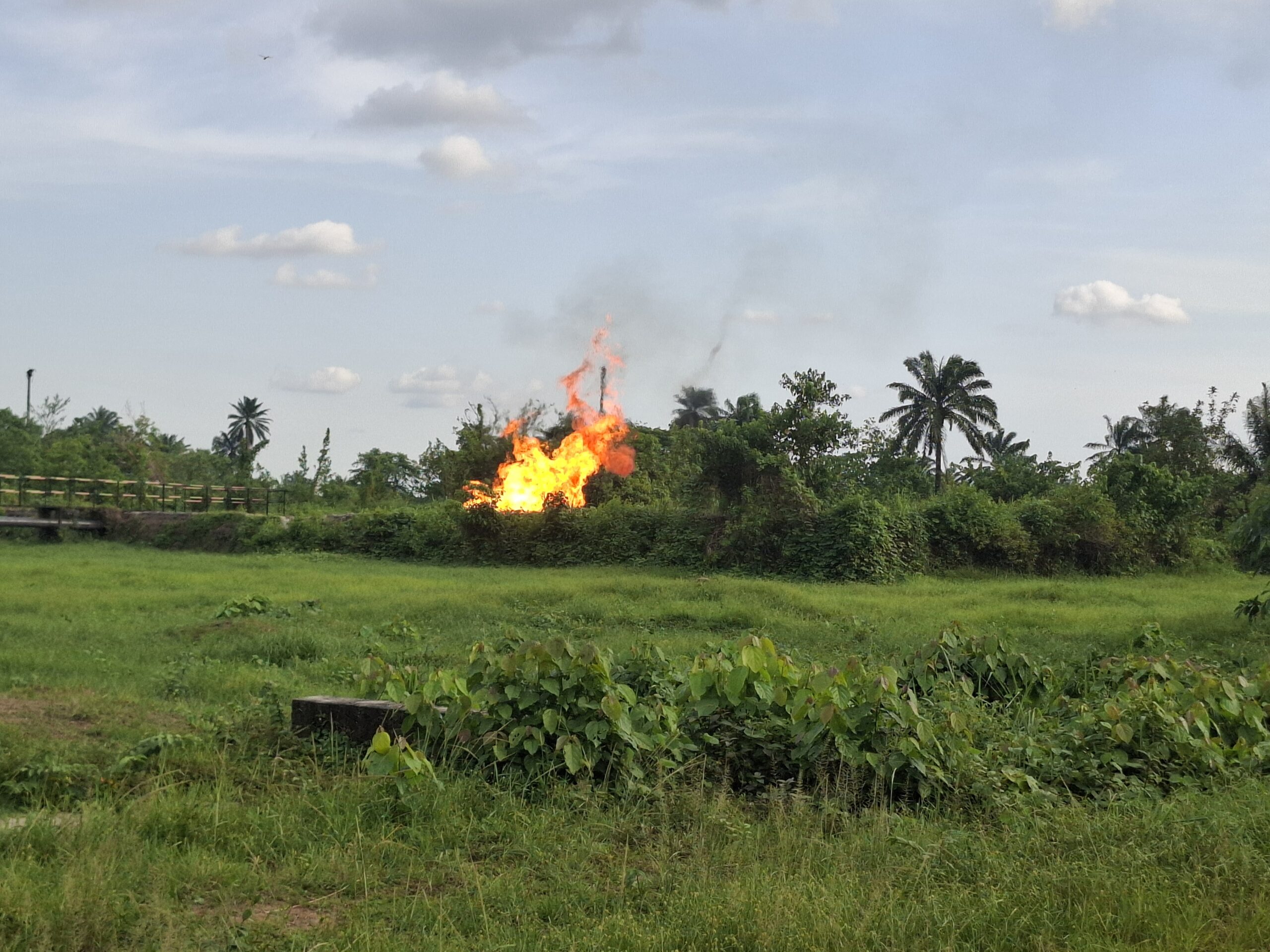
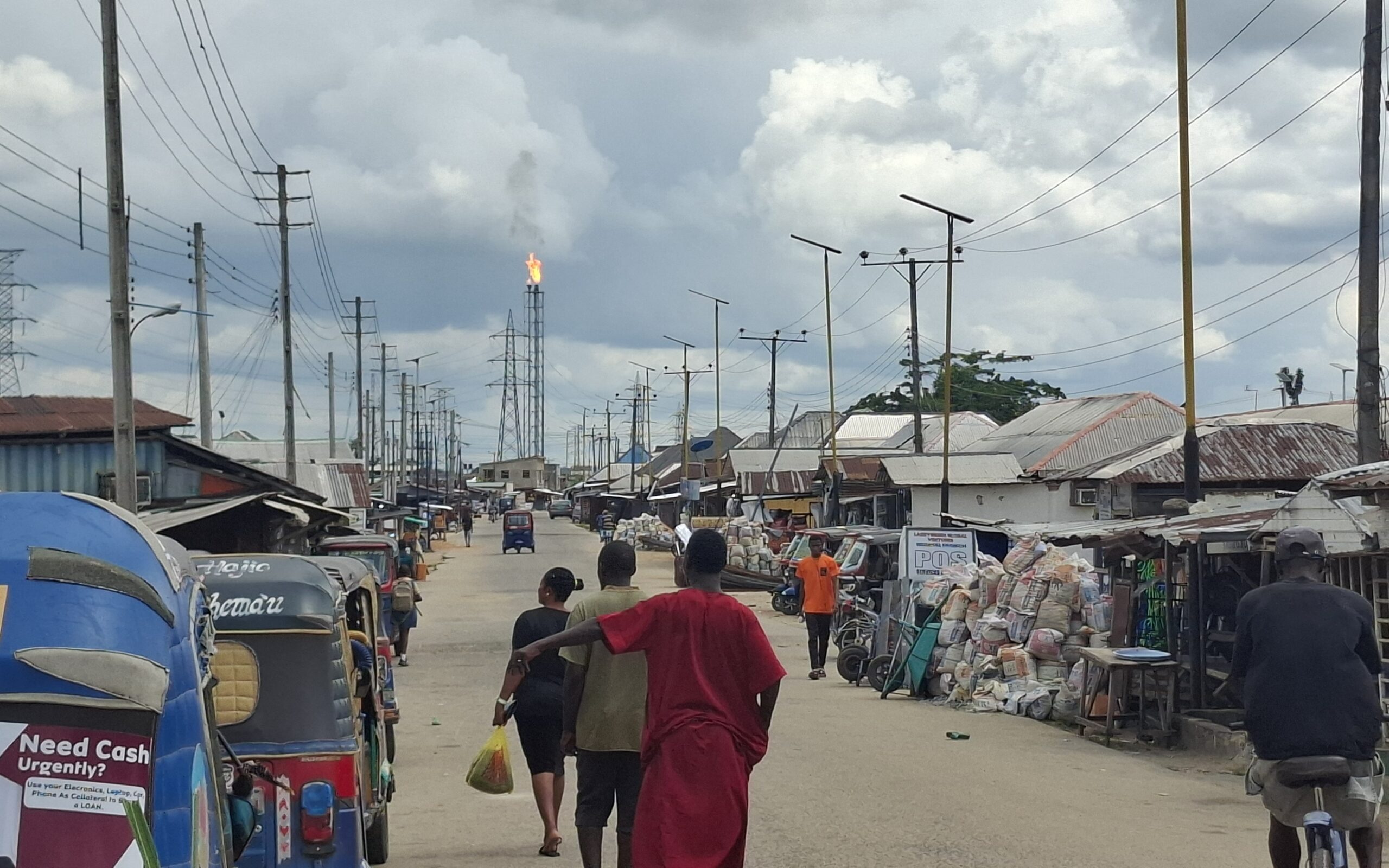

Nigeria is seen as the largest methane emitter in sub-Saharan Africa. Much of this methane comes from gas released on purpose, equipment leaks from poor maintenance, and incomplete flaring. In these cases, gas that could be captured and sold is wasted. The International Energy Agency (IEA) estimates that in 2023, Nigeria could have made about $350 million from methane abatement by selling recovered gas, while only spending about $240 million each year on these efforts. The situation is now catching up with Nigeria. Under the EU Methane Regulation, importers must prove by January 2027 that their gas supply meets strict monitoring, reporting, and verification rules.
Nigeria exported nearly 14 million tonnes of LNG in 2024, with Europe taking about one-third. For a supplier with about twice the global average methane intensity, failing to prove and lower emissions could threaten market access.
At the same time, global energy supply issues mean Europe is looking for reliable partners. Nigeria has a chance to be that partner, but only if it can ensure that its gas meets the standards buyers will soon enforce.
Why Enforcement Matters More Than New Pledges
Nigeria has methane rules in place. The Petroleum Industry Act 2021 and new guidelines from 2022 and 2025 set key elements for managing methane. The government has also promised to cut fugitive methane emissions by 61 percent and end routine flaring by 2030 under its Energy Transition Plan and climate commitments.
But these promises are not new. Similar commitments were made in past initiatives, like the National Gas Flare Commercialisation Programme and the Zero Routine Flaring by 2030 initiative. While there has been some progress, these efforts have not fully met their goals. According to Nigeria’s Extractive Industries Transparency Initiative’s 2022 and 2023 Oil and Gas Industry Audit Reports, only 15 out of 62 companies in Nigeria’s oil and gas sector have submitted greenhouse gas emission reports, even though it is a requirement. The record shows a trend of strong promises and laws followed by weak results. This enforcement gap has a human cost, as seen in Bille and many other communities in the Niger Delta.
Without a change in how these targets are carried out and enforced, current promises risk following the same path: clearly stated but not achieved.
Turning Methane Commitments into Action
The policy response is clear and based on existing commitments. Nigeria has already endorsed zero routine flaring and set specific methane reduction targets. The problem is enforcement and consistent implementation. Independent, third-party measurement, reporting, and verification should be required for all oil and gas operations, building on current rules rather than replacing them. This allows regulators to check compliance, apply penalties when needed, and track progress against set targets. Lessons from past initiatives show the same problem: promises without consistent enforcement do not change how operators act. The government must strengthen enforcement to close this gap. This will help cut waste, protect public health in host communities, and make sure national targets lead to real emissions reductions instead of repeated pledges.


Drop your comment
No comments yet — be the first to drop the gist 👇