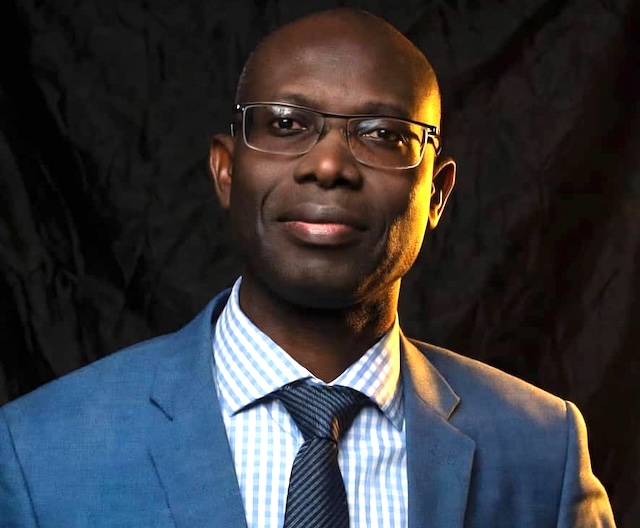
Professor Badejo asks if Nigeria wants good relations or Jankara market rules. That question is not right. Nigeria has tried to be friendly for four years, resulting in two hundred deaths and two thousand people sent back home. What Nigerians in South Africa want now is not just niceness; they want protection. They need an envoy who cares about the widow in Yeoville waiting for justice for her husband.
Badejo says the envoy acts like a trader from Isale Eko. He claims he broke the Vienna Convention. He argues that diplomacy should be careful. But our people living in South Africa are not writing essays about rules. They are burying their loved ones and supporting the man Badejo wants us to dislike.
Professor Babafemi A. Badejo’s “Jankara Diplomacy” is a long essay. It has a lot of history. It starts with what Jankara market means. It discusses the Peace of Westphalia and the Vienna Convention on Diplomatic Relations. It quotes Article 41(2) and Article 41(1) and Article 13. It talks about the Yoruba idea of Omoluabi, which is about being a good envoy. It is an intelligent piece of writing. It understands markets, the Vienna Convention, and diplomatic history. It quotes Article 41(2) as if he is quoting his own certificate. But it misses one crucial detail: the dead bodies.
I write from South Africa, where I have lived for twenty-three years. I have been at the burials of our citizens. I have seen Nigerians run from their homes with just the clothes they wear. I hear daily from our law-abiding people who are legally in South Africa. Let’s start where the professor did not. In the last four years, many Nigerians have been killed in South Africa, with some tortured by police officials. About two thousand more have been sent back due to xenophobic violence, beaten and chased out of a country they helped build. A presidential aide called us drug lords. Now, the professor has to answer some questions. How many arrests? How many convictions? How many South African officials have faced consequences for a single Nigerian life? Silence. The professor does not say. He would rather discuss manners while our people die. That is the problem.
Mr Badejo, a former UN Deputy Special Representative, writes with knowledge and fairness. In “What Happened in Pretoria,” he praises the High Commissioner’s credentials speech. In “The Burden on a High Commissioner,” he admits that Pretoria is a tough place for Nigerians who want a champion. He agrees that Nigerians have been killed and that the post went four years without a solid head. So, we agree that Nigerians need protection, but we disagree on how loudly the protector should speak.
Let’s start with the livestream cut. Badejo admits Nigeria’s segment was cut but brushes it off. He says, “If the livestream dropped Nigeria, whether by design or by bad technology, that is a problem for the broadcasters.” This is misleading. Fifteen envoys presented credentials that day at a South African state ceremony.
But here is what happened. Fourteen envoys appeared on the South African Presidency’s official livestream. Only Nigeria’s was cut. The broadcast resumed only after Fani-Kayode’s speech ended. Nigeria, which is Africa’s largest economy and supported the anti-Apartheid struggle, was erased. If that is a technical problem, it is a problem with a nationality. When our envoy raised it with the Head of State present, the professor reached for his copy of the Vienna Convention.
And what did that erased speech contain? No threats. No insults. It reminded everyone of Nigeria’s sacrifices during the anti-Apartheid struggle. The money we spent. The passports we issued. The exiles we sheltered. The students we educated. The blood we shed for South Africa’s freedom. Like a guest at a family gathering recalling a past kindness, the host cut off the microphone.
So, our envoy did what any proud Nigerian representative would do. He went to the president and asked why. Not about South Africa’s elections or politics. Just one question: Why was Nigeria the only nation cut from the broadcast? Ramaphosa did not call that interference. He stepped in right away and questioned the officials responsible. He ordered that the issue be resolved immediately. The Presidency later published the full video. The host did not scold the guest. The host fixed the problem.
Badejo calls this a technicality. A Nigerian envoy sees it as an insult. The difference is not about protocol. It is about whether you believe Nigeria deserves the same respect as the other fourteen nations in the room. Badejo thinks the envoy should have used back channels. A note filed. A protest lodged in triplicate with the right people. The usual quiet diplomacy. But the back channels are run by a Foreign Ministry that has spent four years issuing statements while bodies pile up. Polite diplomacy has not stopped the killings. It has not led to a single conviction. It has not brought back the 98 dead.
Let’s ask the important question the professor avoided: What did years of his preferred diplomacy achieve? While quiet envoys followed every rule, South Africans only heard one thing, silence. Silence is a language too, and Pretoria speaks it well. Our Foreign Ministry’s strongest action during those years was to summon their High Commissioner. Just once. Is it any wonder the livestream was cut? The South Africans learned, over four years of Nigerian silence, that nothing happens when they slight us. Weakness does not create friendship; it breeds contempt.
Mr Badejo warns about persona non grata and reciprocity. He warns of being expelled under Article 9 and sees the Ministry’s 17 November statement as distancing. But the facts are against him. South Africa’s Foreign Minister said the matter is closed. The two presidents reportedly spoke. The envoy was neither recalled nor punished, he returned home for consultations like envoys do. Now, Pretoria has met a Nigeria that responds. A Ministry looking into a report is a Ministry doing its job. The crisis the professor fears has not occurred.
Under “The Vienna Convention,” the professor relies on Article 41(2), which says official business with the host state goes through its foreign ministry. First, a complaint about a broadcast is not official business. It is a public statement, and nothing in Article 41 stops it.
Second, the law must be read in the order the Convention gives it. Article 3 lists the functions of a diplomatic mission, and the first is “protecting the interests of the sending State and its nationals.” Only after that comes negotiation, reporting, and promoting friendly relations. Keep that first duty in mind, and now consider what happened on 13 November at the Sefako Makgatho Presidential Guest House. The professor hangs everything on the eight words “within the limits permitted by international law.” Yet he never names the limit that stops a High Commissioner from saying that Nigerians are dying and no one has been convicted. I say those words do not require a High Commissioner to file objections in triplicate while his nation’s interest is at stake. It requires him to speak out loudly where the erasure happened. Fani-Kayode did just that. And the South Africans, to their credit, listened.
On Article 41(1), a speech recalling Nigeria’s sacrifices against Apartheid is shared history. The professor himself finds it a point of pride. Back to Article 41(2) that says official business must go through the foreign ministry. A reminder: the grievance was about the host state’s own livestream at the host president’s own ceremony, and that president took the complaint seriously before anyone reached for the rulebook. If raising a grievance with a Head of State at his own reception is “Jankara,” what do you call a receiving state whose presidential spokesman answers our envoy on social media while the professor only checks the Nigerian side of the exchange?
As for the “history lesson,” a Head of Mission who reminds South Africans of Nigeria’s sacrifices against Apartheid is not interfering in internal matters, he is stating the terms of the relationship. There is a difference, and the professor knows it.
Here is what the professor ignores: the opinion of the very people this diplomacy is meant to help. I say this from within the community, not from a library: every organized Nigerian group here, the unions, town associations, and professionals, supports this High Commissioner. And here is what the community said. The Nigerian Union South Africa, the main body for Nigerians in the country, welcomed news of Fani-Kayode’s appointment with “great excitement and optimism.” They praised his “wealth of experience, distinguished public service, and unwavering commitment to Nigeria’s national interest.” The Nigerian Citizens Association South Africa, the top body representing Nigerians in South Africa, said his appointment came “at a critical time when strong, proactive and compassionate leadership is needed” to tackle the “social, economic and security challenges” facing Nigerians.
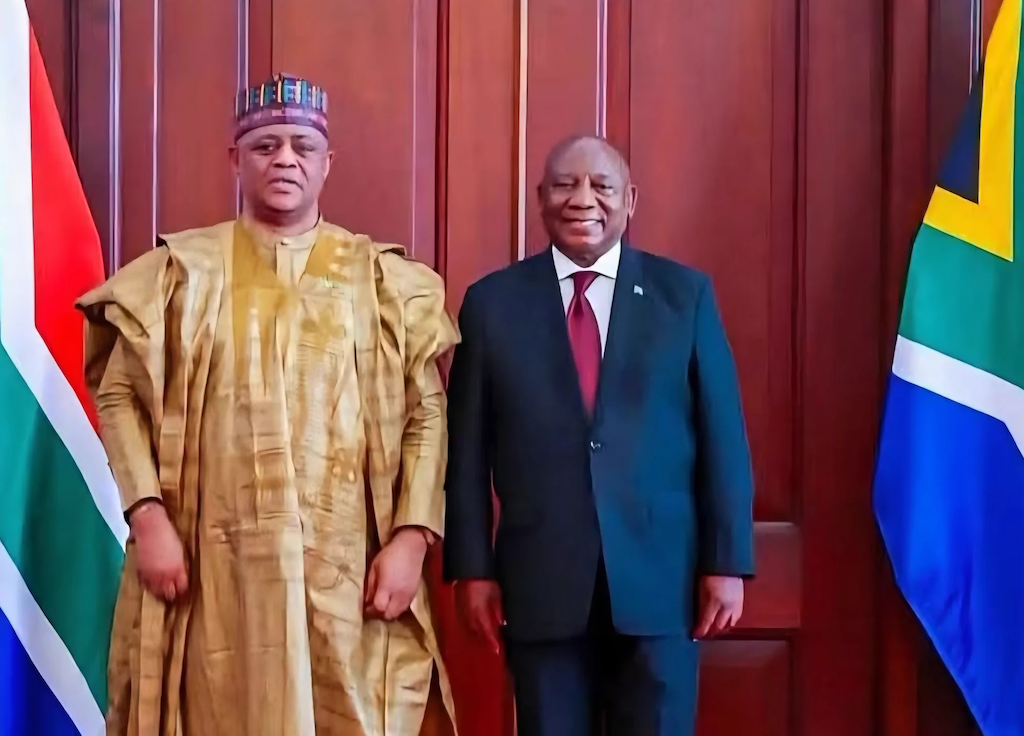
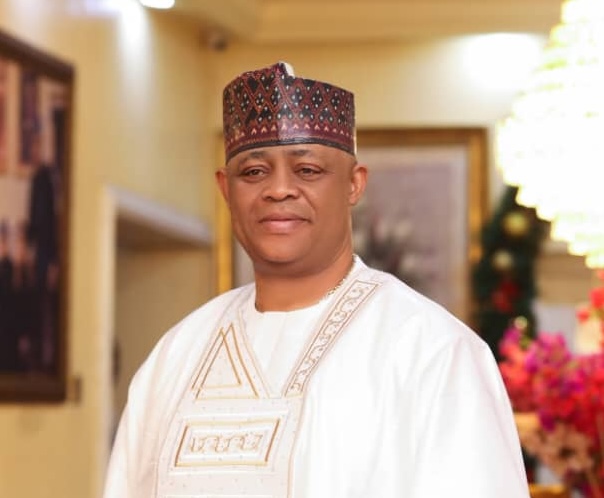
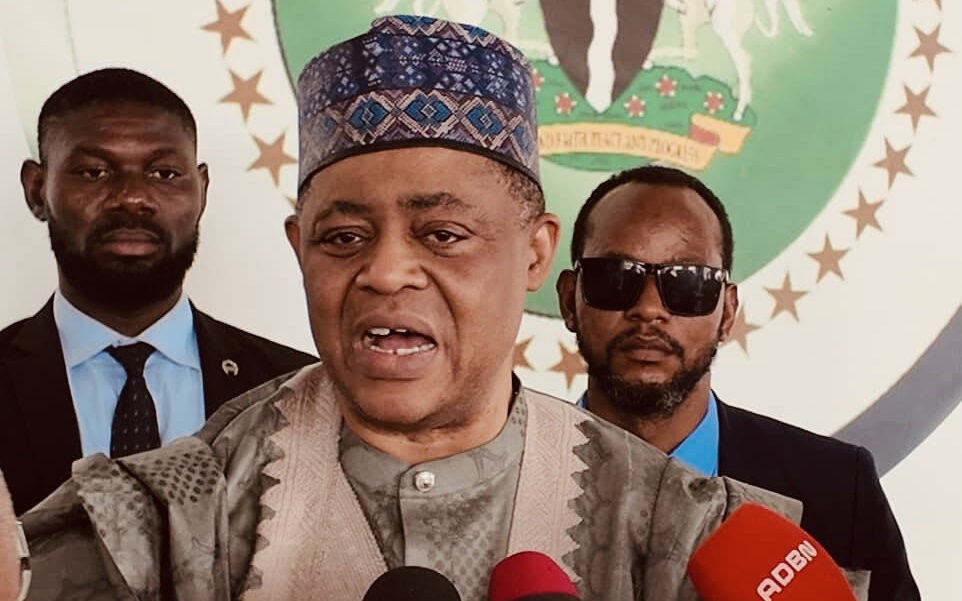
These are not armchair analysts. These are the people who understand what it costs to be Nigerian in South Africa. They are not calling him an agbero. They are not writing essays about Article 41. They are welcoming the first envoy in years who has made them feel recognized. Badejo writes as if Nigerians in South Africa are a diplomatic burden. Not true. They are the reason for the posting.
Back home, many Nigerians say this is the best appointment President Bola Ahmed Tinubu has made so far, and some go further: they think a man like Fani-Kayode should not just be in Pretoria, but in the Foreign Ministry itself, overseeing the lukewarm officials who confuse caution with foreign policy. When Nigerians who bury their brothers in Johannesburg and Pretoria cheer for an envoy’s boldness, the professors should listen. They show us what four years of protocol achieved: nothing.
In one week of so-called “Jankara diplomacy,” the treatment of Nigerians in South Africa got more high-level attention than in the previous four years of quiet protocol combined. The market trader haggled and returned with results.
But let’s call this essay by its real name. The professor admits it was put together, with help from artificial intelligence, from contributions on a WhatsApp group of “some Nigerian diplomats.” Read that confession slowly: serving diplomats gathered in a chat, pooling ideas to attack their own country’s serving High Commissioner. In four years of dead Nigerians and burnt shops, that group produced no policy, no protest, no essay. The moment one envoy makes Pretoria react, they find their voices. Who gathered them? Who briefed them? We know how these briefs travel. The jealousy is clear, and it is not about the Vienna Convention: a man who arrived just weeks ago has done what their years of memos and politeness could not, he made South Africa respect Nigeria again. Instead of appreciating him, they criticize him. Instead of learning from his approach, they try to destroy him, both the writer and those who commissioned him from within the Foreign Affairs Ministry, their resentment sharpened by the fact that the best thing for Nigerians in South Africa in a generation is that this man was sent there. If that is not jealousy, personal and institutional, what do we call it?
But where was the Foreign Minister when Nigeria was the only delegation cut from the livestream? Where was the Foreign Minister when 98 Nigerians were killed without justice? Where was the Foreign Minister when 2,000 Nigerians were outside the embassy? The Ministry was reviewing. It was watching closely. It was using diplomatic language. And the South Africans learned that Nigeria would complain and then move on.
Let me share a brief lesson about two kinds of diplomats. Our foreign service has two types that share the same space but belong to different worlds.
First, the career diplomatus perennis, the lifelong diplomat. He has made diplomacy his job, his retirement plan, his identity. Out of habit and survival, he is polite to a fault: courteous, friendly, always softening even a protest to avoid upsetting tomorrow’s lunch with powerful people. He knows that presidents come and go, but the Ministry stays, and he plans to be at the buffet for all of them. Habit and survival have made him a master of saying nothing, and every administration appreciates his predictions. His first reaction when he hears that a Nigerian has been killed in Yeoville is to check protocol before following his conscience.
Then there is the second type: the Renewed Hope Ambassador, the nationalistic diplomat who is not just in office but carrying the nation’s flag. He is sent to defend the country and the administration to the fullest, to invest everything in the success of President Tinubu and Nigeria’s image, and he serves as if there is no tomorrow after this President, because for him, service is a mission, not a job.
The first keeps a file. The second keeps a flag. The career diplomat thinks about the future; the flag-raiser plants his flag and lets the winds blow. These two types are very different, and the professor, for all his knowledge, has written as if the first type’s survival instinct is the standard for the second. The professor’s conclusion says his essay came from a WhatsApp group of Nigerian diplomats. No wonder it reads like a guidebook: a polite piece on never being a nuisance, with almost nothing about what silence has done for families of the dead.
His Excellency, Femi Fani-Kayode, belongs firmly in the second category. He should be allowed to keep raising our flag. He is focused on one thing only: doing well for President Tinubu and Nigeria. As for post-2031, that will sort itself out.
And this is where Badejo’s essay becomes unintentionally revealing. He praises the Foreign Ministry for speaking “the language of diplomacy.” He mentions Press Statement No. MFA/PR/2026/304, which says the Ministry is “reviewing” the events that occurred. He notes that the Ministry did not support Fani-Kayode’s “war on social media.”
But where was the Foreign Minister when Nigeria was the only delegation cut from the livestream? Where was the Foreign Minister when 98 Nigerians were killed without justice? Where was the Foreign Minister when 2,000 Nigerians were outside the embassy? The Ministry was reviewing. It was paying attention. It was using diplomatic language. And the South Africans learned that Nigeria would complain and then move on.
That is why Nigerians are saying Fani-Kayode should be Foreign Minister. Not because he is polite. Because the polite ones have been outdone. The South Africans have learned that the current Foreign Ministry will issue a statement and then return to its consultations. Fani-Kayode is the first Nigerian envoy in years who has made it clear that Nigeria will not quietly accept being excluded. The South Africans reprimanded him. They issued a démarche. Good. Let them feel uneasy. The Nigerians who have buried 98 neighbors have been uneasy for years.
Professor Badejo asks if Nigeria wants cordial relations or Jankara market rules. The question is not right. Nigeria has tried the friendly approach for four years, resulting in two hundred deaths and two thousand repatriations. What Nigerians in South Africa want now is protection. They need an envoy who understands that his first audience is the widow in Yeoville still waiting for justice for her husband.
The Yoruba say that an elder who watches his kinsman’s goods burn and talks about fire safety has come too late. Silence has been tried, and it has led to too many Nigerians being buried. Jankara, despite its noise, at least brings home the goods.

Drop your comment
No comments yet — be the first to drop the gist 👇