The Nigerian government is working with key partners through the Biodiversity Finance Initiative (BIOFIN) and the National Net-Zero Nature-Positive Implementation Plan. These efforts aim to connect biodiversity goals with national funding and investment needs.
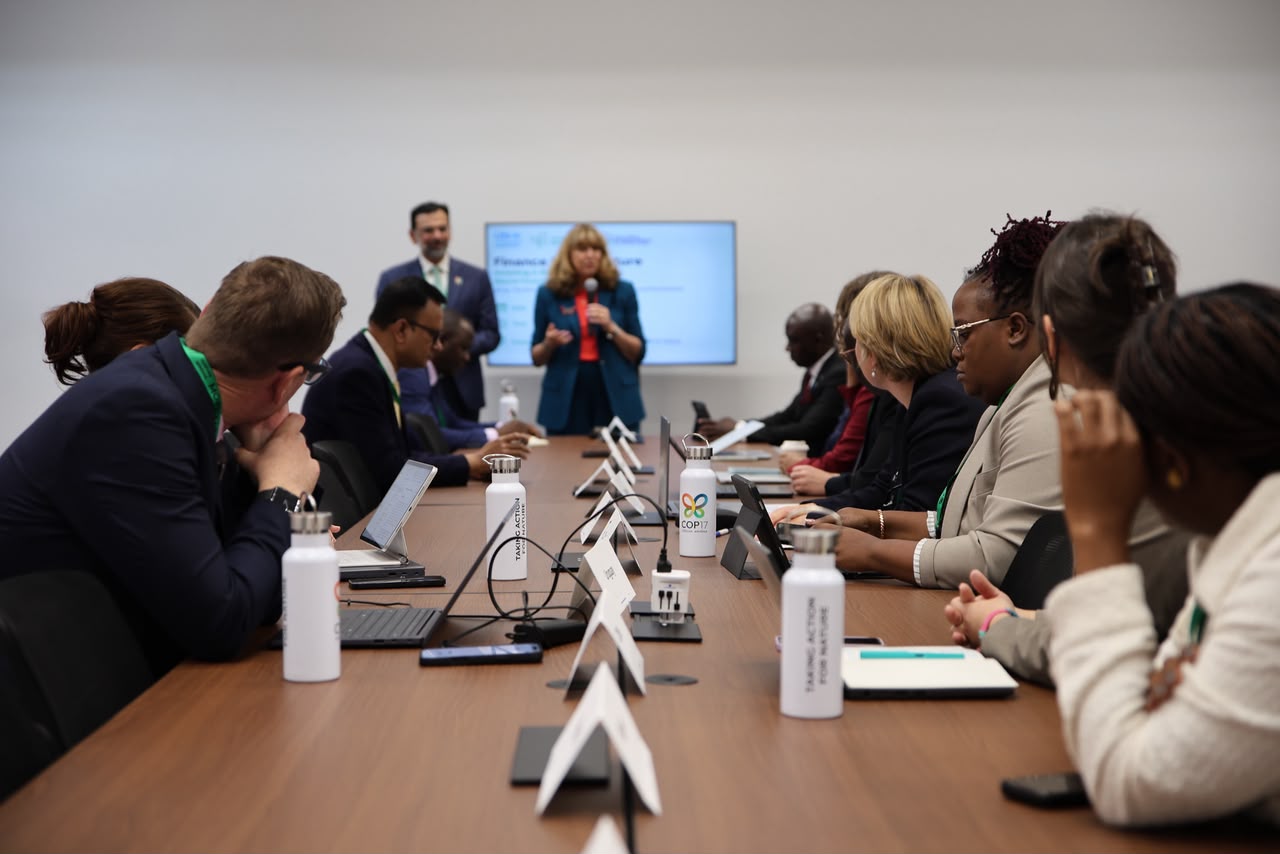
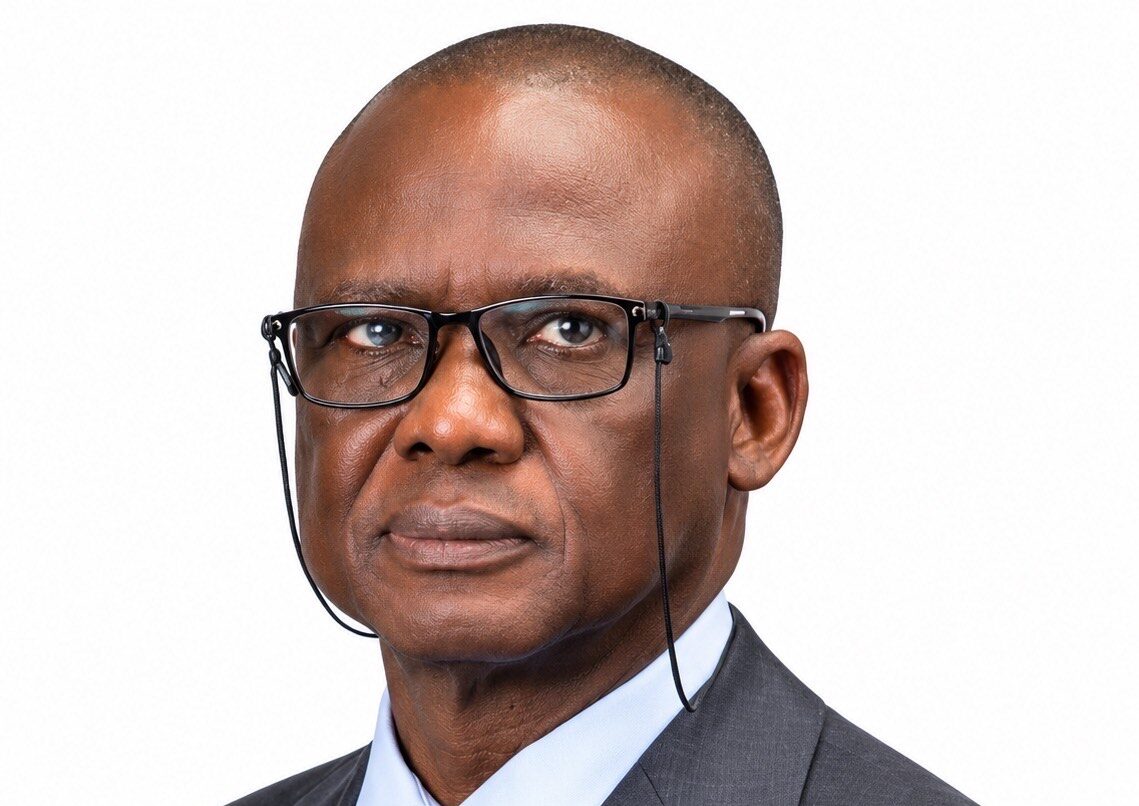
Sikeade Egbuwalo, Nigeria’s representative to the United Nations Convention on Biological Diversity (CBD), shared this information during a discussion at the Technical-Level Dialogue with Finance and Environment Ministries at the ongoing CBD COP17 talks in Armenia.
This dialogue is part of the move to implement CBD Decision 16/34 on resource mobilization.
"We recognise the importance of synergies between biodiversity and climate change. But synergy must not translate into hierarchy," Mrs Egbuwalo told the delegates.
She pointed out that integrated approaches should support both issues without making biodiversity financing less important than climate finance.
Nigeria launched the BIOFIN program in late 2025, working with the United Nations Development Programme (UNDP). The program aims to close the biodiversity financing gap and support nature conservation and sustainable ecosystem management.
Since the negotiations started last week, biodiversity financing has become a hot topic, especially for developing countries needing financial support to carry out the global biodiversity framework.
Discussions are focused on how to raise more public and private funds, improve access to current resources, and shift harmful subsidies to support nature conservation.
A key issue is the Cali Fund, created after COP16. This fund helps share benefits from the commercial use of digital sequence information (DSI) on genetic resources.
The fund aims to ensure that companies profiting from this information contribute to biodiversity conservation and its sustainable use.
For African nations, this discussion ties closely to fairness, ownership of resources, and the ability to finance conservation efforts.
African negotiators believe that the continent’s rich biological resources support businesses globally. But the profits from these resources do not always reach the countries and communities that provide them.
They are advocating for benefit-sharing arrangements that provide real financial support for biodiversity protection, community development, and national conservation plans.
Negotiators are also looking for ways to attract private investment and shift harmful subsidies. The Kunming-Montreal Global Biodiversity Framework aims to cut or redirect at least $500 billion in harmful incentives by 2030.
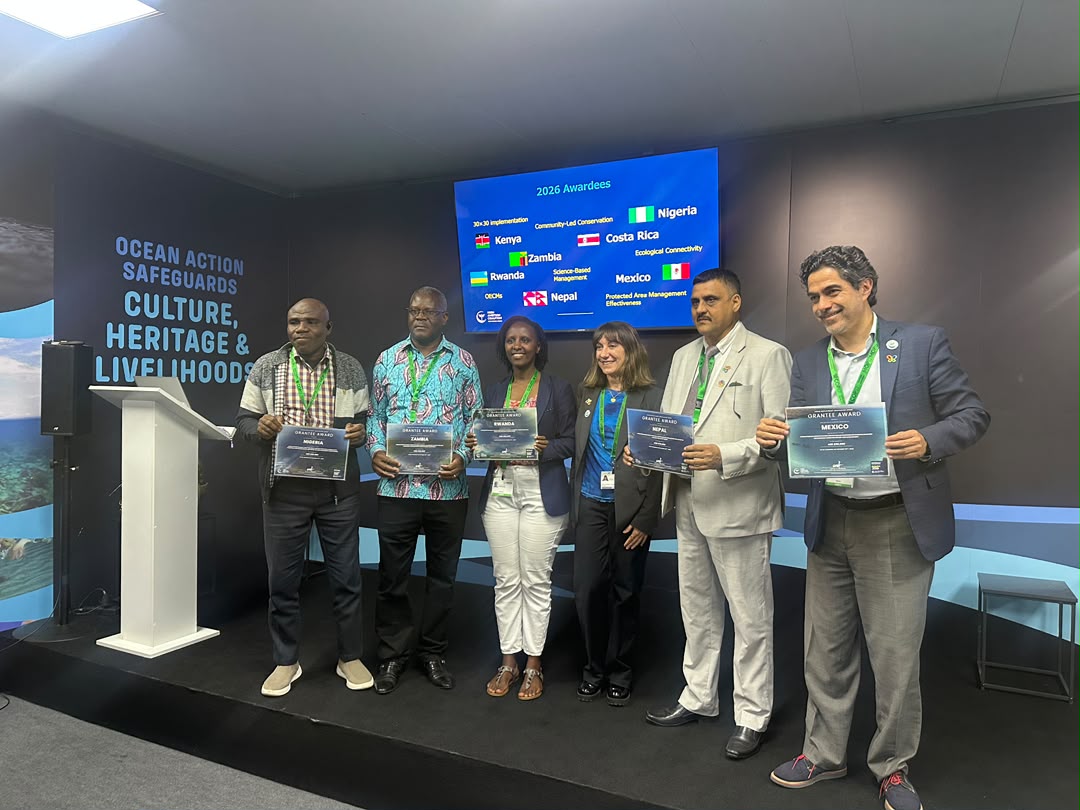
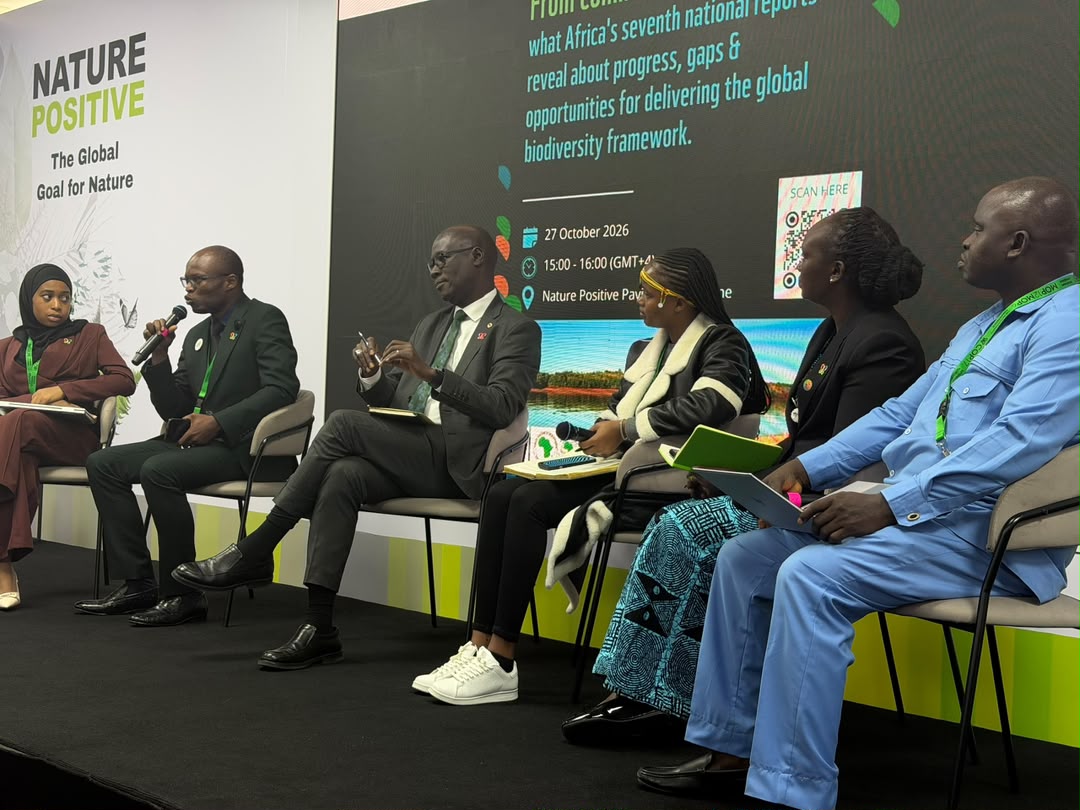
During its speech, Nigeria strongly pushed for better communication between Finance and Environment Ministries. They highlighted a major gap in how biodiversity is treated in financial decisions.
"Our main concern is that nature and biodiversity must get the same attention as climate change," Mrs Egbuwalo said.
She stressed that climate change is not a bigger crisis than biodiversity loss. Both issues are connected and equally urgent for sustainable development.
Mrs Egbuwalo noted that climate change has received a lot of attention from finance ministries and international financial institutions. But biodiversity has not been given the same level of support.
"Nature is not a part of climate change. Biodiversity has its own value. We should not have to justify spending on biodiversity just because it helps with climate issues," she said.
She added that Nigeria is pushing for discussions under Decision 16/34 because biodiversity should not only be the responsibility of Environment Ministries. It should be a key part of financial policies, national budgets, and economic planning.
Finance Ministries are crucial for decisions on resource allocation, incentives, and taxation.
Without their involvement, she said, the ambitious goals of the Kunming-Montreal Global Biodiversity Framework will be hard to achieve.
Nigeria also pointed out that resource mobilization is not just about finding new money. It is also about changing existing financial flows, reforming harmful incentives, and making sure national spending supports rather than harms biodiversity.
The country expects the technical dialogue to lead to practical recommendations on collaboration, biodiversity-focused budgeting, dedicated financing tools, and stronger involvement from Finance Ministries in carrying out National Biodiversity Strategies and Action Plans (NBSAPs).
Mrs Egbuwalo said Nigeria wants a major change in how governments prioritize funding for climate and biodiversity.
"We cannot keep treating climate change as the main economic issue while biodiversity is seen mostly as an environmental problem," she said.
She believes protecting nature deserves strong financial and institutional support. She hopes the discussions will lead to real actions to support biodiversity.


Drop your comment
No comments yet — be the first to drop the gist 👇