
The Nigerian government has announced N24 billion in tax breaks for pharmaceutical companies from 2025 to 2026. This move aims to boost local medicine production and lessen reliance on imported healthcare goods.
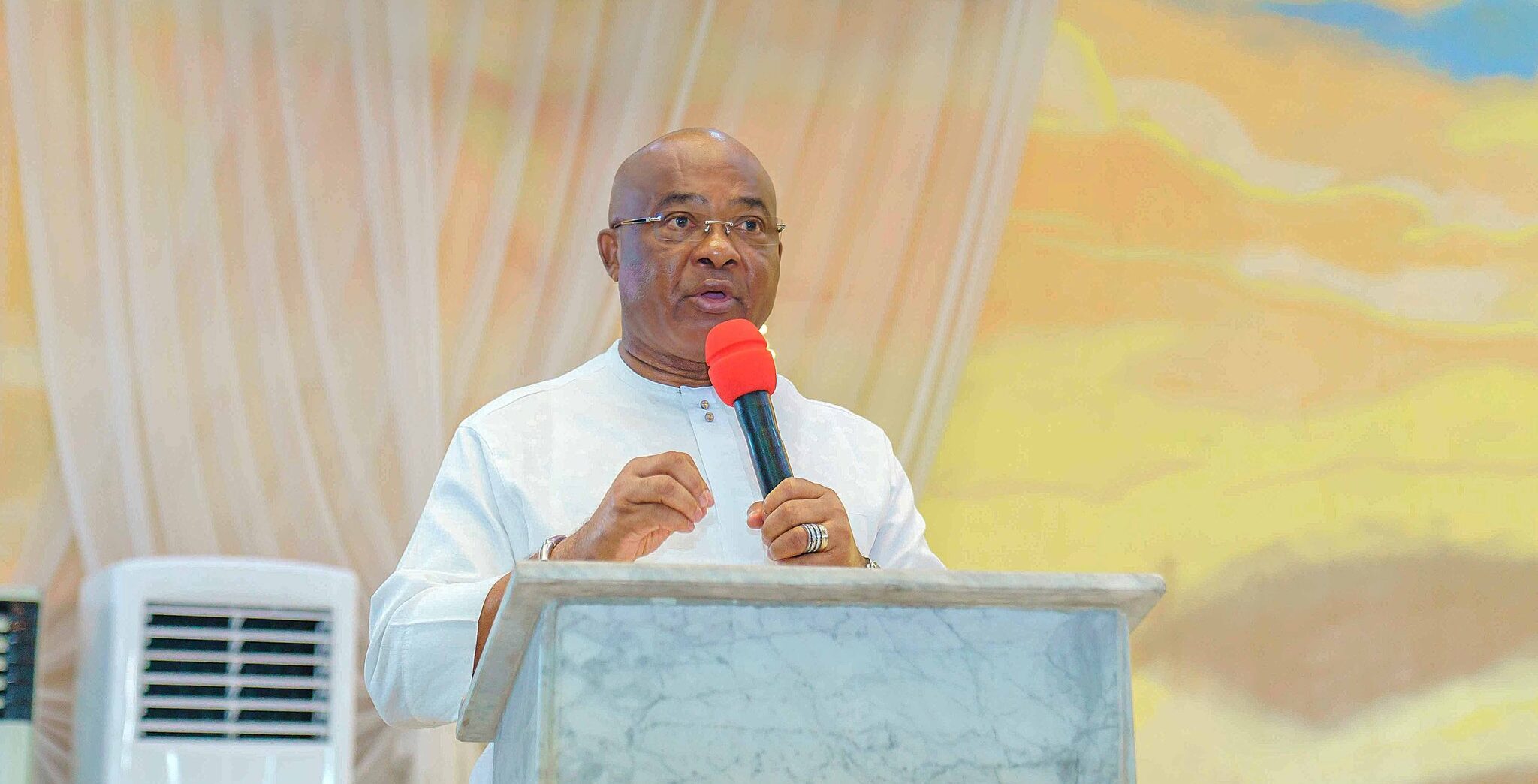
The Coordinating Minister of Health and Social Welfare, Muhammad Pate, shared this news on Tuesday during the 2026 Nigeria Health Sector Joint Annual Review in Abuja.
Mr Pate mentioned that these incentives follow a presidential executive order signed in 2024. This order is designed to support local manufacturing of drugs, medical equipment, and other vital healthcare products.
He added that the government has secured 12 technology-transfer agreements. They are also looking at potential investments in the healthcare manufacturing sector that exceed $5 billion.
According to him, the government wants to turn these planned investments into real businesses that can produce affordable healthcare products and create jobs.
"The Executive Order signed by Mr President in 2024 has supported N24 billion in tax waivers for pharmaceutical manufacturers in 2025-2026," he said.
"We have 12 technology-transfer agreements and a prospective investment pipeline exceeding $5 billion."
Mr Pate emphasized that the government’s focus is on converting these prospective investments into actual manufacturing operations.
"Our task is to help those prospective investments become operating businesses that supply safe, effective and affordable products and create opportunities for Nigerians," he stated.
Local Manufacturing Growth
Mr Pate reported that 10 factories or production lines have been started under the government’s healthcare industrialisation programme, with six commissioned in 2026.
He explained that these facilities will produce pharmaceuticals, rapid diagnostic tests, long-lasting insecticidal nets, and medical oxygen.
The minister also praised the Presidential Initiative for Unlocking the Healthcare Value Chain, led by Abdu Mukhtar, for helping expand local manufacturing.
The Minister of State for Health and Social Welfare, Iziaq Salako, also spoke at the review, highlighting growth in local drug production.
Mr Salako noted that locally made medicines represented 50 percent of Nigeria’s pharmaceutical market in 2026. This is a rise from 30 percent in 2023.
He mentioned figures from the Pharmaceutical Group of the Manufacturers Association of Nigeria and the National Agency for Food and Drug Administration and Control (NAFDAC). They indicated about a 10 percent increase in active local pharmaceutical companies.
He said this growth reflects ongoing efforts to boost local manufacturing and reduce Nigeria’s reliance on imported healthcare goods.
Meanwhile, Mr Pate stated that NAFDAC is enhancing regulations against fake medicines to support the pharmaceutical sector.
He also noted that the government is working to get Medipool running. This group purchasing organization aims to consolidate demand for medicines and other healthcare supplies.
According to him, this initiative would help manage government procurement while keeping other supply channels active.
Background on Local Production Efforts
Nigeria has been trying to increase its local pharmaceutical manufacturing. This is due to concerns about dependence on imported medicines and issues with international supply chains.
In July 2024, President Bola Tinubu signed an executive order to provide financial incentives for local medicine production.
The order included tax relief on tariffs, excise duties, and Value Added Tax (VAT) for specified pharmaceutical machinery, equipment, and raw materials.
In May 2025, PREMIUM TIMES reported that the presidency identified this executive order as a key reform to attract investment and lower drug costs.
The government stated that these incentives would help local manufacturers compete better and boost production of essential healthcare products.
In September 2026, PREMIUM TIMES reported that the federal government aims for at least 70 percent local production of essential healthcare products by 2030.
At the 8th Nigeria Pharma Manufacturers Expo in Lagos, Mr Salako said the government is using financial support and tax incentives to strengthen local manufacturing.
He mentioned that 87 local manufacturers are benefiting from the presidential executive order, which grants zero tariffs on pharmaceutical machinery and active ingredients.
Mr Salako also said PVAC has secured about $2 billion in funding commitments at low interest rates. Around 50 Nigerian healthcare companies are in advanced talks for financial support.
He explained that increasing local production would help improve medicine security and lower Nigeria’s vulnerability to international supply disruptions.
Challenges Ahead for Local Production
Despite the progress, Nigeria’s goal to expand local drug manufacturing relies on consistent investment, access to funding, and manufacturers' ability to meet quality standards.
At the September 2026 pharmaceutical manufacturers’ expo, Mr Salako stressed the need to expand production beyond finished medicines. This includes active pharmaceutical ingredients, vaccines, diagnostics, and other necessary health products.
He also pointed out that research, innovation, regulatory cooperation, and access to regional markets are key areas for industry development.
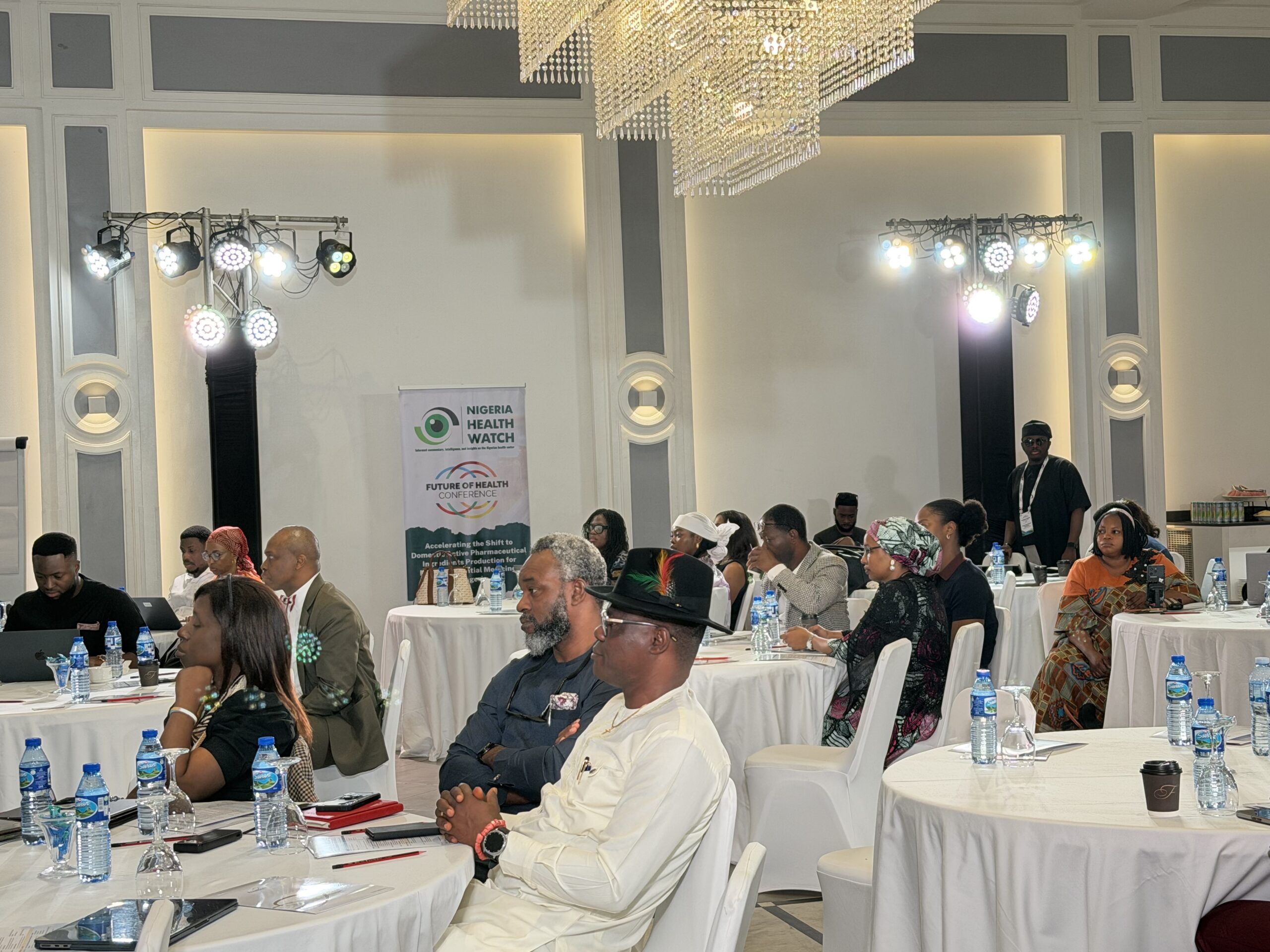
The 2026 Joint Annual Review, themed "Make the Data Count", brings together federal and state officials, development partners, and others to evaluate progress in the Nigeria Health Sector Renewal Investment Initiative.
This initiative aims to improve coordination, financing, and accountability in healthcare delivery.



Drop your comment
No comments yet — be the first to drop the gist 👇