---
Sports industry leaders, entrepreneurs, and experts have urged for improved funding, better facilities, stronger partnerships, and enhanced organization to fully unlock Nigeria's sports potential and create a lasting sports economy.
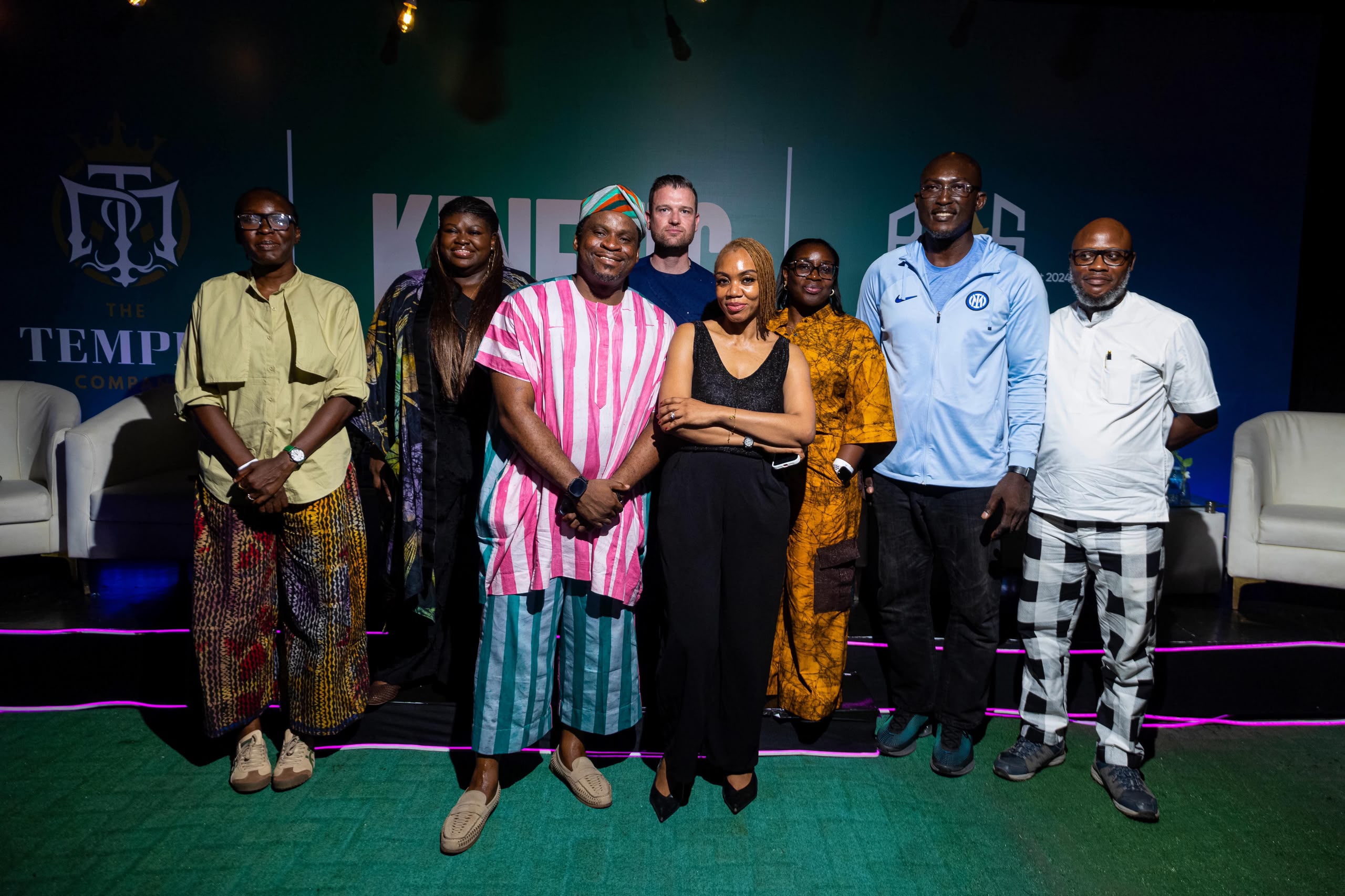
This call came during KINETIC, a sports business mixer hosted by the Business of Sports Institute (BOS) Africa in collaboration with The Temple Company, in Lagos on Wednesday.
The event gathered professionals from various sectors of the sports industry, including finance, law, media, engineering, sports management, marketing, broadcasting, and technology. They discussed investment opportunities, teamwork, and the business growth of sports in Nigeria.
The meeting took place at The Temple Company on Victoria Island. It aimed to promote networking and link individuals whose skills and businesses could help the sports industry thrive.
Beverley Agbakoba-Onyejianya, founder and academic director of BOS Africa, spoke at the event. She said Nigeria's sports potential is still largely untapped due to problems with funding, infrastructure, capacity, and a lack of collaboration opportunities.
She noted that Nigeria has the talent and passion for sports but has not built an industry that creates enough jobs and sustainable opportunities for professionals.
“We are a sporting nation, and we are a vibrant nation. We’re a footballing nation, actually. But we still don’t provide enough jobs. It’s just not a sustainable industry as it ought to be when you compare it to, say, England, France,” she said.
Mrs Agbakoba-Onyejianya also mentioned that Nigeria should grow its sports industry in a way that reflects its culture and unique circumstances, rather than trying to copy Western models.
She explained that KINETIC was created to unite professionals from various fields to foster meaningful discussions, strengthen connections, and find collaboration opportunities.
“We want finance to talk to the agents. We want the agents to talk to the telecoms people. We want us all to communicate more so we can do more in this industry,” she said.
Her motivation for establishing BOS Africa was the lack of accessible and quality sports business education in Nigeria. She highlighted the need for programs that prepare people for careers in the sports industry.
While some universities offer sports-related courses, Nigeria still needs more specialized training to meet its growing sports ecosystem's needs.
The initiative aims to provide a flexible, affordable platform for those looking to build careers in sports business.
Mrs Agbakoba-Onyejianya, a sports lawyer with over 20 years of experience in Nigeria and the UK, founded Lagos Tigers Football Club, a grassroots football academy. She also played a role in developing Nigeria’s National Sports Policy.
As a FIFA mediator, she is involved in international sports dispute-resolution and governance panels.
She said the mixer highlighted the value of bringing professionals together outside their usual work settings. She hopes this initiative will turn into a regular platform for industry engagement.
“Imagine having this platform on a massive scale, where media, finance, broadcasting, engineering, legal and other sectors come together, connected by sports. That way, we grow the economy, contribute to the GDP, do more projects through collaboration and literally create a domino effect,” she said.
During a panel discussion led by Telema Davies, managing partner of DMPartners, participants shared different opinions on whether Nigeria can be seen as a serious sports nation, despite its talent.
Aderoju Ope-Ajayi, chairperson of the Lagos State Aquatic Association and head of strategy and business transformation at MTN MoMo PSB, questioned Nigeria’s commitment to athlete development. She pointed out the country's struggle to consistently identify and support promising talents.
She expressed surprise at the talent available, especially among young athletes who break national records but lack the support to succeed in international competitions.
“Nigeria is not a serious sporting nation. We have so much potential, but we are just not doing enough,” she said.
Ms Ope-Ajayi also discussed the lack of access to sports facilities. She noted that limited infrastructure has forced some organizers to rely on private schools and other facilities.
She mentioned that securing sponsorship is challenging, with some companies supporting sports initiatives out of goodwill rather than clear long-term commercial goals.
Folake Shasanya, managing partner of Aesura Group, agreed that Nigeria's sports potential suffers from inadequate structures.
She said young athletes often show great talent but lack the systems to sustain their growth and achieve success at major international events.
Ms Shasanya pointed to Nigeria's recent successes at the Youth Olympic Games as proof of the country's potential. She believes that focusing more on athlete development, organization, and investment can lead to better results in sports.
Jouko Gorissen, founder of Next Level Global Recruiting, stated that while Nigeria has the population and enthusiasm for sports, it lacks the necessary structures to make sports a sustainable business.
He compared Nigeria to the United States, where investment in facilities, coaching, education, and commercial opportunities has strengthened sports systems.
Mr Gorissen added that Nigeria's sports industry relies too much on athletes as its main commercial assets, which is not a sustainable approach.
Opeyemi Babalola, an engineer and managing director of Webber Engineering, said Nigeria has the talent to compete globally but is hindered by politics, poor infrastructure, and mismanagement of sports facilities.
He explained that government ownership of many facilities creates challenges, especially when political activities affect access.
The discussion examined the commercial potential of sports facilities, including private investment opportunities, better management, and alternative revenue streams.
Mr Babalola suggested that naming rights, common in international sports, could bring in extra revenue. He said Nigeria sometimes loses such chances by focusing on commemorative naming instead.
He believes sports infrastructure could attract commercial investment through naming rights and sponsorship while still honoring national figures.
Seun Akinbolu, founder of The Athletics School Games and Pan-Africa School Games, also raised concerns about funding and infrastructure challenges in sports development.
She noted that building individual facilities can be costly and hard to maintain, suggesting partnerships as a better way for organizations to expand sports opportunities.
The issues raised at KINETIC reflect larger problems noted in Nigeria’s sports development plans, such as insufficient investment, poor facilities, and the need for more private-sector involvement.
Nigeria’s National Development Plan has identified limited funding, unequal access to facilities, and inadequate infrastructure as barriers to growth. It emphasizes the need for public-private partnerships to unlock the sector’s economic potential.
The federal government has been looking into alternative financing models for sports infrastructure. In October, the National Sports Commission announced plans to raise a N1 trillion fund to repair facilities and attract private investment.
Terfa Tilley-Gyado, President & CEO of The Temple Company & Ogidi Studios, said the partnership with BOS Africa is based on the belief that African sports need more than just talent and passion.
He pointed out that Africa’s athletes are competing internationally but are not well represented by African professionals in management, agency, sports nutrition, law, and other areas.
He said KINETIC aims to build the relationships and networks needed to fill this gap.
“This is just the first, as Amaka said. And there will be many more,” he said, encouraging participants to look into BOS Africa’s training programs and opportunities to grow their skills in the sports industry.
The organizers expect KINETIC to become a regular gathering, offering a platform for professionals to connect, share ideas, and form partnerships to strengthen Africa’s sports business landscape.

Drop your comment
No comments yet — be the first to drop the gist 👇