
Ogori will celebrate its New Year on Thursday, August 6, the second Ebina. This article looks at our four-day calendar that has helped our people keep track of time, manage economic life, and fulfill community duties. Apart from the yearly celebration and the popular Ewe-eji market, the Ogori New Year gives us a chance to reflect on our indigenous knowledge system. This system has continued alongside the Gregorian calendar and should be documented for future generations.
Introduction
Across Africa, many communities created their own ways to measure time and organize social and economic life before the Gregorian calendar became common. These systems came from the daily lives of the societies that created them. They showed how they understood seasons, farming, trade, communal duties, and the regular patterns of life together. In Ogori, we still use a system based on a four-day week that influences our markets, ceremonies, and community life. The Ogori New Year, observed on the second Ebina in August, is one of the most visible parts of this system and offers a chance for cultural reflection, education, and documentation.
With this in mind, the Communications Directorate of the Ogori Descendants Union (ODU) has chosen “Counting Time the Ogori Way” as the theme for its 2026 Ogori New Year publicity campaign. This theme aims to shift the focus from just announcing the date to understanding the indigenous system that has helped our people keep track of time. Counting time the Ogori way means more than just naming the days; it means engaging with a unique structure of time that organizes commerce, community duties, and social participation in a cycle.
The Indigenous Ogori Week: Ebina, Ofaji, Onumeji and Okoto
Our traditional way of counting time is based on a four-day week that includes Ebina, Ofaji, Onumeji, and Okoto, which occur in that order. Among these days, Ebina and Onumeji are market days, while Ofaji and Okoto are non-market days. This difference is key to understanding the Ogori calendar because these days are not just markers of time; they help organize community life. In a society where markets are vital for farmers to sell produce and for families to get necessities, having set market days creates order and predictability. Economic activities can be planned around a cycle understood by everyone, allowing for coordinated production, movement, and exchange.
This system relies on shared knowledge. The importance of Ebina as a market day, for instance, depends on the community's expectation that sellers and buyers will gather. In this way, the calendar creates a common understanding of time that helps community members anticipate each other’s activities and plan theirs. It is not just a method for counting days; it is a way to coordinate activities that shows how a simple calendar can support social and economic life.
Market Days and the Organisation of Communal Life
A clear example of the link between time and economic organization is that weddings and burials do not take place on Ebina and Onumeji. This is not a taboo but a practical choice. Major social events would disrupt economic activities. In a close community like ours, a wedding or burial involves many family members, friends, and neighbors. If these events happened on market days, it would create a conflict between social and economic needs. People would have to choose between attending a significant community event and focusing on their work.
By keeping Ofaji and Okoto free for significant social events, the community found a way to manage the competing demands on time. Markets could run smoothly without disturbance from big ceremonies, and weddings and burials could receive the needed community participation. Today, this can be seen as a form of indigenous economic management, not enforced by written laws but through shared understanding and tradition.
This practice shows that not all traditional restrictions should be viewed through the lens of taboo or superstition. Some customs respond to real social and economic needs. Protecting Ebina and Onumeji from major ceremonies reflects a practical approach to efficiency, cooperation, and community responsibility. It illustrates how our people made social rules that allowed economic and communal life to thrive without unnecessary conflict.
When Two Calendars Meet: Locating the Ogori New Year
Understanding the Ogori New Year requires looking at our four-day time structure. The New Year is celebrated on the second Ebina in August, combining two ways of keeping time. August belongs to the Gregorian calendar, while Ebina is part of our indigenous calendar. In 2026, the second Ebina falls on Thursday, August 6. Since the four-day Ogori cycle and the seven-day Gregorian week do not match perfectly, the Gregorian date for the New Year changes each year.
The main cultural reference point is not August 6 or any fixed Gregorian date; it is the second Ebina in August. This phrase connects two time systems and helps us keep our indigenous way of counting time while using the worldwide calendar without losing our cultural reference. We can live our lives according to Monday through Sunday and recognize January 1 as the start of the Gregorian year while also celebrating the second Ebina in August as the start of our New Year. These systems can coexist. This shows that living in modern life does not mean we have to abandon our indigenous knowledge.
This is one of the quieter yet significant ways that culture lives on. Cultural continuity is not just about festivals, costumes, dances, and ceremonies; it also exists in language, ideas, and ways of thinking. Every time we say a day is Ebina, Ofaji, Onumeji, or Okoto, we are using an indigenous understanding of time and keeping alive the words through which our ancestors organized their world.
The Ogori New Year and the Renewal of Communal Time
New Year celebrations around the world focus on renewal. Calendars may differ, and the ways to mark the changes vary, but communities always find ways to celebrate the end of one cycle and the start of another. The Ogori New Year fits this universal tradition while keeping its unique character. Celebrating on the second Ebina in August is a moment for us to recognize another transition in how we count time and reconnect with a system passed down from earlier generations.
This significance goes beyond greetings and celebrations. When we celebrate the New Year following an inherited system, we join a dialogue between the past and the present. This is especially vital as migration, urbanization, and changing lifestyles have increased the gap between many young Ogori people and their cultural heritage. For those raised outside the community, Monday through Sunday may be more familiar than Ebina, Ofaji, Onumeji, and Okoto. The New Year is an opportunity to link celebration with understanding, ensuring that we remember the cultural system behind that date.
Ewe-eji: The Market of the New Year


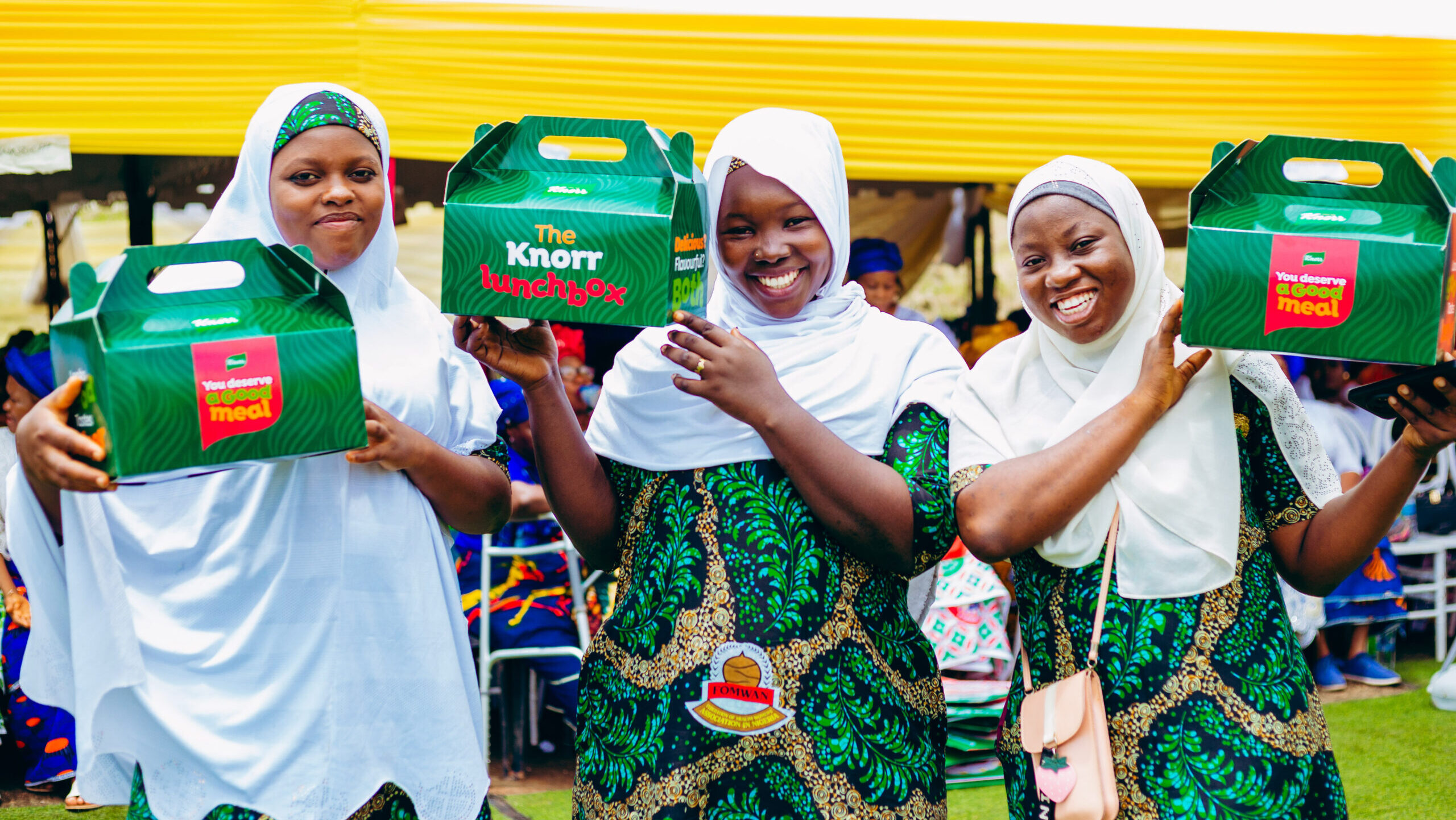
A major highlight of the Ogori New Year is Ewe-eji, also called Eweji, the annual market tied to the celebration. Ewe-eji has a special place in our culture as a market where people can buy goods at lower prices than usual. This expectation of cheaper prices makes it a highly anticipated part of the New Year. But Ewe-eji is more than just a discount market. In a culture where the four-day calendar emphasizes market activities, having a special annual market for the New Year highlights the link between time, trade, and community life.
Traditional markets do more than just buying and selling. They are places for meeting and socializing, bringing together producers and consumers, family and friends, residents and visitors. Ewe-eji combines the economic and social aspects of the New Year. Its focus on affordability also adds a communal aspect, ensuring that low prices remain central to the market experience.
There is a lot of room to strengthen Ewe-eji as a source of economic activity by creating more opportunities for farmers, traders, artisans, food processors, and other local producers. However, any development must keep its unique identity. Ewe-eji should not turn into an expensive market that carries a traditional name while excluding the ordinary people who make it meaningful. Efforts to expand its reach or promote it beyond Ogori should maintain its promise of affordability and accessibility while increasing economic chances for the community.
Time as an Economic and Social Institution
The connection between the four-day week, the protection of market days, and the importance of Ewe-eji points to a larger view of time as an economic and social institution. Modern societies organize economic activities through shared calendars, workdays, weekends, trading times, and public holidays. The key idea is that economic coordination needs a common understanding of time. The traditional Ogori calendar follows the same principle in its cultural context. Ebina and Onumeji offer regular times for market activity, while major ceremonies are organized around the cycle to avoid conflicts between economic and social duties.
The system’s effectiveness lies in its simplicity. It solves the complex task of coordinating community life with a rhythm that everyone understands. It challenges the idea that effective social institutions must be written or organized through formal structures. Indigenous societies have long created systems that can regulate activities through shared knowledge and cooperation, and the Ogori calendar is a strong example.
This is not just an old system from our cultural memory. The terms for the four-day cycle and its impact on community scheduling are still relevant in modern Ogori life. The challenge now is not just to grasp what the calendar meant to our ancestors but to document what still exists, see how it works today, and make sure we do not lose the knowledge needed to understand it.
Indigenous Knowledge and the Urgency of Documentation
The Ogori New Year is a starting point for a larger indigenous knowledge system that should be documented properly. We should explore questions through oral history and research: how was the yearly cycle calculated beyond the four-day week? How was knowledge passed down? How did it relate to agricultural seasons and other economic activities? What other community events were linked to specific days? What has been the historical connection between the New Year and Ewe-eji, and how has the market changed over time? We should engage with elders, traditional institutions, families, and other guardians of Ogori culture to find answers instead of making assumptions.
In small cultural communities like ours, indigenous knowledge can fade quietly. An elder may pass away without sharing their knowledge, a word may be used without its full meaning being understood, or younger generations might follow traditions without knowing the knowledge behind them. Oral tradition has kept our people united through generations and is still valuable, but migration, urbanization, reduced use of indigenous languages, and distancing from traditional institutions make documentation more urgent. Our task is not just to celebrate our heritage but to record, examine, and pass it on.
This documentation must be done carefully. The wish to preserve culture should not lead to embellishing it. Where historical knowledge is unclear, we should acknowledge that uncertainty. If there are different accounts, we should note those differences instead of forcing a single story. The goal is not to create a perfect or romanticized past but to keep the knowledge, memories, and structures that helped our ancestors understand themselves.
Counting Time as an Act of Cultural Memory
The adoption of “Counting Time the Ogori Way” by the ODU Communications Directorate as the theme for the 2026 Ogori New Year publicity campaign is significant because it offers a chance to use communication for cultural education. It invites us, especially the younger generations, to go beyond knowing the names Ebina, Ofaji, Onumeji, and Okoto and to understand the system that gives those names meaning. A child who knows Ebina is a market day has learned some information, but one who understands how the four-day calendar helps organize trade and community duties has gained cultural knowledge.
This creates a responsibility that goes beyond a single campaign. Elders with deeper knowledge of the system should be recorded, oral histories preserved, and cultural materials made available for future generations. Schools, families, community groups, and the Ogori Descendants Union can promote conversations across generations and create educational content about Ogori knowledge systems. Digital tools can also help record interviews, keep archives, and share cultural knowledge with Ogori people everywhere. The key question now is not whether modern life will impact our culture, as it already has, but whether we can use the tools available to us to preserve what is valuable.
Conclusion: When We Count Our Own Time
On Thursday, August 6, 2026, the second Ebina in August will mark our New Year again. Ewe-eji will remain a key part of the celebration, and another cultural cycle will start. Yet beyond the visible celebrations lies a deeper legacy: a way through which our ancestors organized time, supported economic activity, and balanced work with community duties. Ebina, Ofaji, Onumeji, and Okoto are more than just names of four days; they represent an indigenous way of measuring time and a unique method of organizing community life.
We must ensure that this knowledge does not survive as mere fragments. If future generations only know that the Ogori New Year is on August 6, 2026, they will have a date. If they understand why it is on that date, how the four-day week functions, why market days are kept free from major events, and how Ewe-eji fits into our economic and cultural life, they will hold something far more valuable: an understanding of how their ancestors saw and organized their world.
This is the deeper purpose of “Counting Time the Ogori Way.” The campaign encourages us to look beyond the New Year date and rediscover the knowledge within it. When we remember how our ancestors counted their days, we preserve more than a calendar; we keep a cultural legacy, a record of social organization, and a distinct way of understanding our place in time. As we celebrate another New Year, let it be a moment for both joy and remembrance, a time to honor what has lasted, recover what might be lost, and pass on what must endure. When we count time the Ogori way, we are doing more than counting days; we are remembering who we are.


Drop your comment
No comments yet — be the first to drop the gist 👇