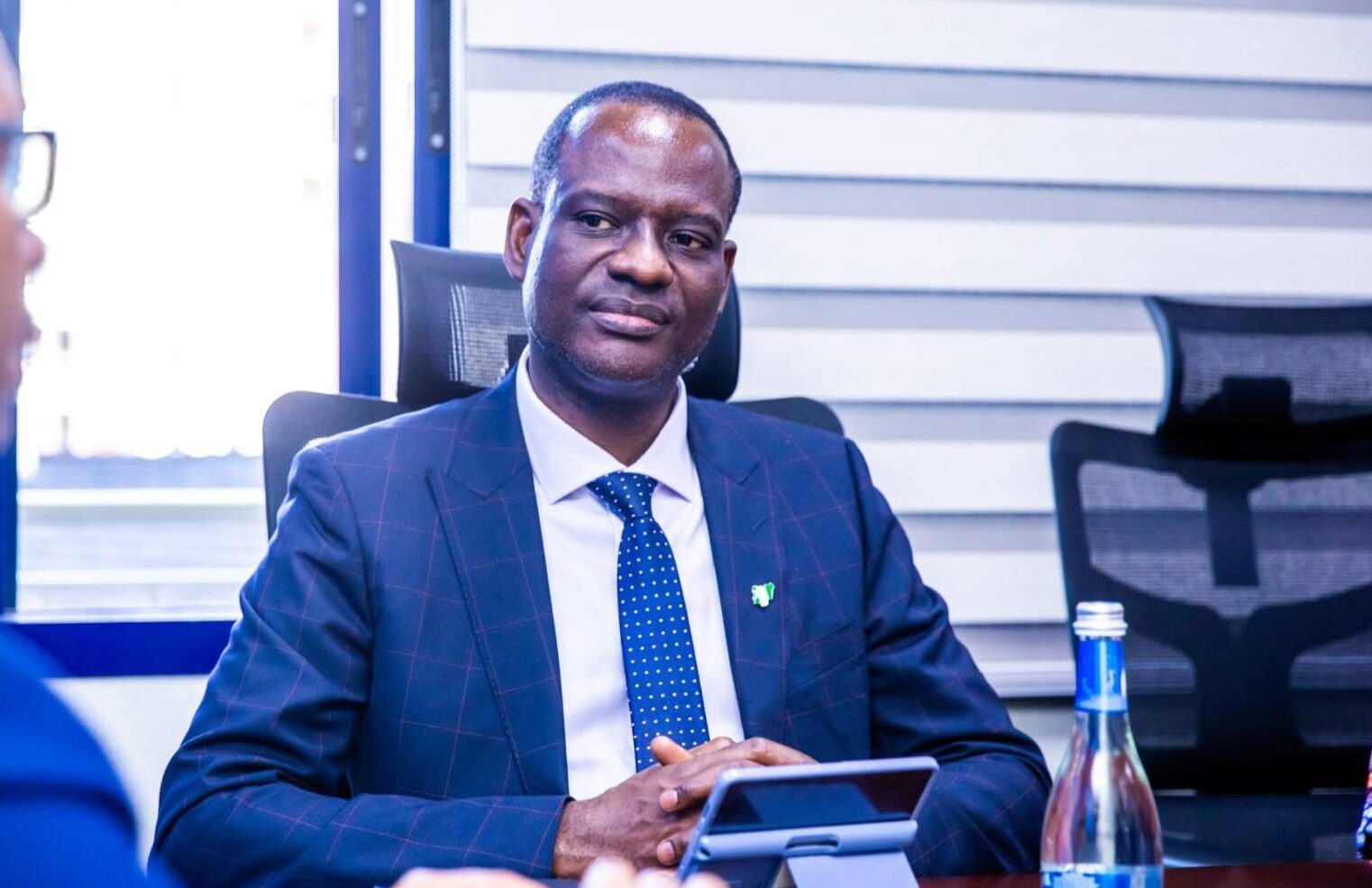
The Managing Director of the Ministry of Finance Incorporated, Armstrong Takang, has said that less than 10 percent of properties in Nigeria have proper land titles. This issue makes it hard for people to access loans, discourages investment, and shakes confidence in the real estate market.
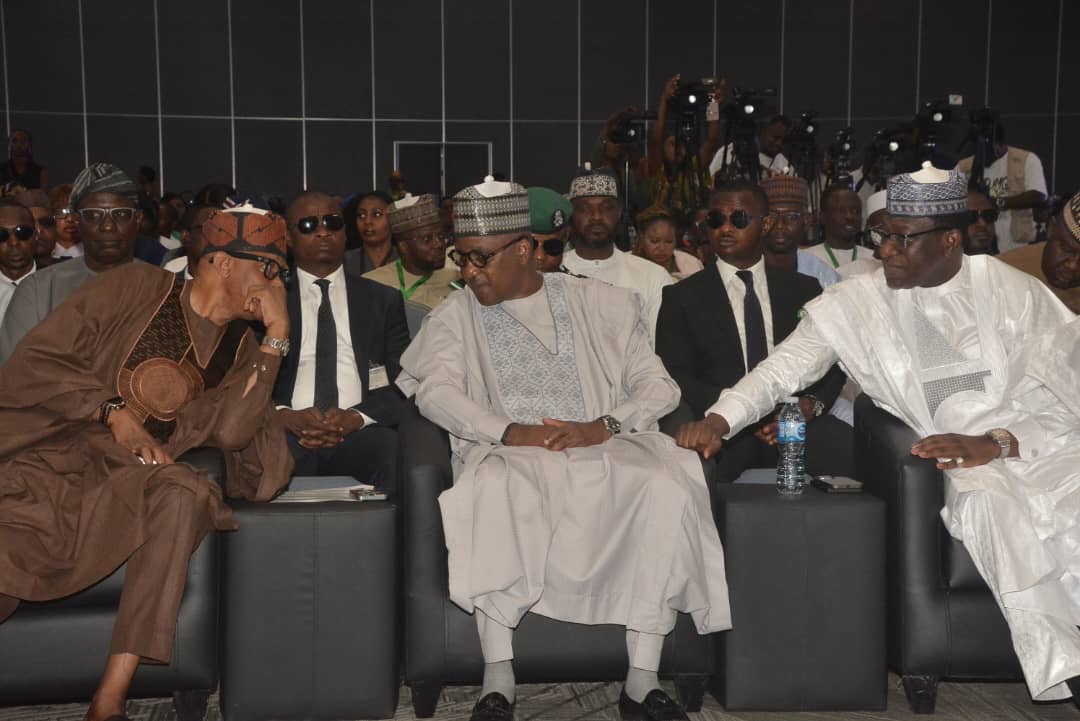
Mr Takang shared this information on Monday in Abuja during a conference organized by the House of Representatives. The conference discussed a proposed law to create the National Real Estate Regulatory Authority (NRERA).
He mentioned that many Nigerians cannot use their properties as collateral for loans due to a lack of proper documentation. This limits the economic benefits they could get from owning property. "Less than 10 percent of the properties nationwide have proper titles," he stated.
He added, "So we invariably are creating a scenario where people own assets but are not able to use those assets for things that could deliver more value."
Mr Takang pointed out that Nigeria's low credit penetration is a problem. He noted that lending is about 12.9 percent of Gross Domestic Product (GDP), compared to 20.1 percent in sub-Saharan Africa and 34 percent in lower-middle-income countries.
He said real estate is a key source of collateral for loans, but the lack of verifiable ownership records makes it hard for banks to accept properties as security. Weak regulation, fake land deals, and no national licensing framework have also hurt the sector's ability to attract investment.
He raised alarms about building collapses in Nigeria. He said over 270 deaths have been reported in recent years due to this issue, but the true number might be higher since some incidents are not reported. "Over 270 deaths have been recorded in just a few years, and this is what we know and on record. I believe the number is higher than that because many of them are not reported because of poor buildings and building collapses," he explained.
The MOFI chief said that the new regulatory authority would set standards for property deals, establish licensing for real estate agents and developers, and protect the funds paid by potential property buyers. He warned that without proper regulation, unlicensed operators could collect billions of naira from investors without delivering the promised properties.
Abdulmumin Jibrin, the chairman of the House Committee on Housing and Habitat, said the proposed law aims to fix gaps in the system. He mentioned that the current Minister of Housing and Urban Development does not have full control over all agencies involved in housing, which causes problems with coordination.


"There are enormous challenges. We have a wonderful minister of housing. But as the Minister of Housing of the Federal Republic of Nigeria, he does not have jurisdiction over all the agencies and institutions involved in housing. There is a link; there is a gap. So, there is duplication of functions," Mr Jibrin said.
He compared this situation to sectors like oil and gas, electricity, and telecommunications, where regulations provide clearer oversight. The lawmaker pointed out that without a proper regulatory framework in real estate, individuals and companies can develop properties without accountability.
Mr Jibrin clarified that the new law would not infringe on the powers of state governments or take over the roles of existing professional bodies. Instead, it would encourage teamwork between federal and state governments while keeping the functions of professional bodies intact.
The Minister of Housing and Urban Development, Muttaqha Darma, also mentioned that limited access to mortgage financing is a big problem for homeownership in Nigeria. He said mortgage penetration is below 10 percent, much lower than in some other countries.
"Our population, as of today, is estimated to be about 240 million. But, as speakers after speakers mentioned, mortgage penetration is very low. It is less than 10 percent, as against 38 percent in Malaysia and 40 percent in South Korea," he noted.
Mr Darma said the federal government is working on fixing structural and institutional issues in the housing sector. He added that the proposed authority would help improve regulation and access to decent and affordable housing. He suggested that once established, the authority should work under the Ministry of Housing and Urban Development for better coordination.
In his speech, Speaker of the House of Representatives, Abbas Tajudeen, called for a centralised and digitised real estate system. He said this would make property transactions easier, improve transparency, and attract more investment.
He stated, "Nigeria does not lack property. Nigeria lacks enough trust in property." The speaker argued that a strong regulatory framework would protect property buyers and investors from fraud and unfair practices. He emphasized that better oversight is needed to restore confidence in the real estate market and ensure that owning property brings economic benefits to Nigerians.

Drop your comment
No comments yet — be the first to drop the gist 👇