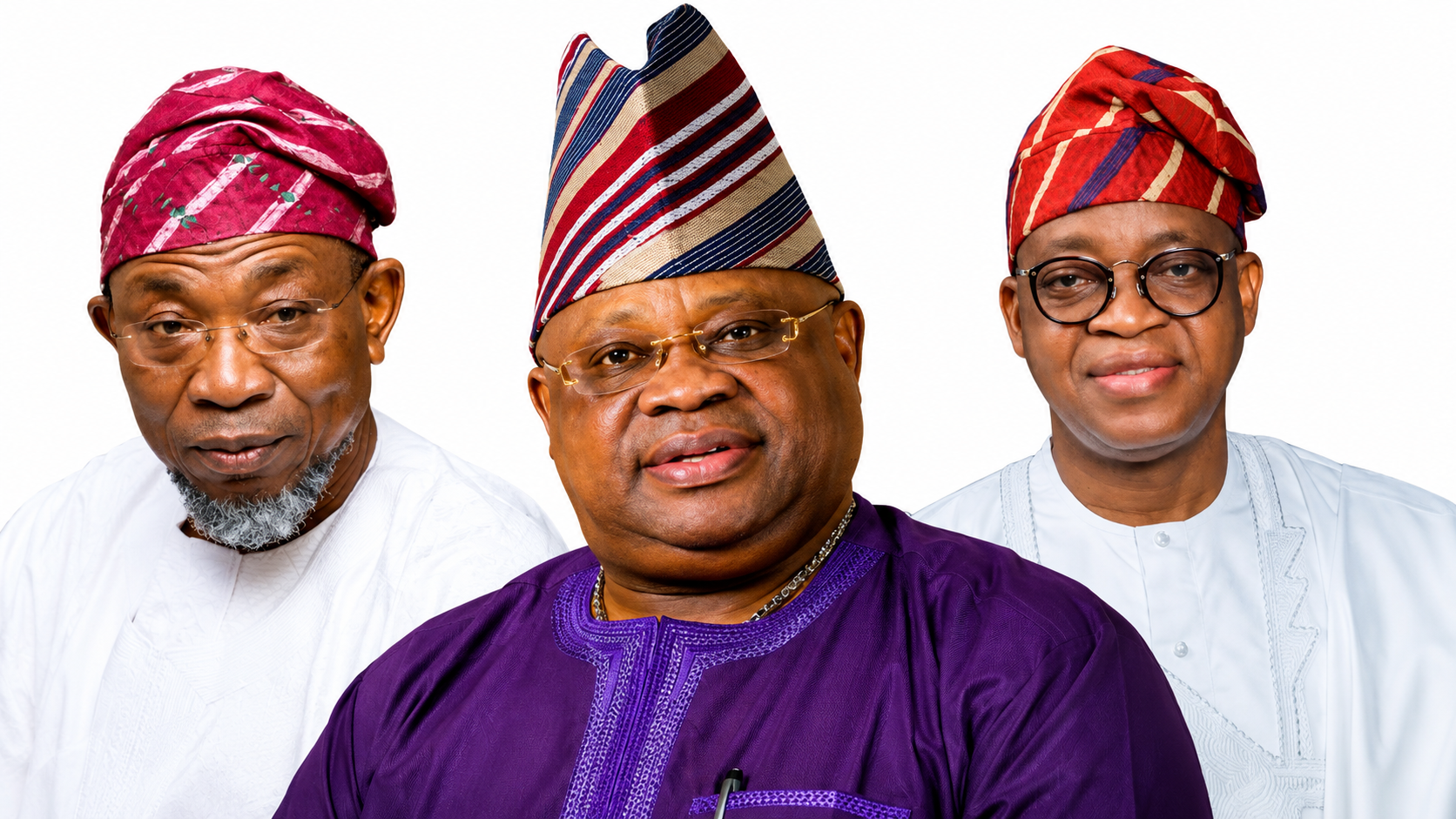
During the campaigns for the 2022 Osun State governorship election, Governor Ademola Adeleke promised residents a new direction if he was elected. Running for the Peoples Democratic Party (PDP), he vowed to improve welfare, boost the economy, develop infrastructure, and create people-focused policies, claiming Osun deserved better governance.
At a rally in Osogbo on 14 May 2022, Mr Adeleke presented a five-point agenda as the guide for his administration from 2022 to 2026. His agenda aimed for better welfare for workers and pensioners, economic growth through business partnerships, and a homegrown infrastructure policy that ensures "Osun money serves Osun people."
The plan also emphasized social policies focused on skill-based education, affordable healthcare, security, and social protection. Agro-based industrialization was included to create jobs and wealth for the youth and women.
Just two months later, he won against the incumbent governor, Gboyega Oyetola of the All Progressive Congress (APC), in the 16 July 2022 governorship election by over 28,000 votes.
Four Years Later
Almost four years into his leadership, Mr Adeleke, inaugurated on 27 November 2022, insists his government has kept its promises. Last month, he stated that his administration achieved significant progress in key areas, including constructing over 300 kilometres of roads and rehabilitating more than 200 primary healthcare centres and over 150 public schools. He also mentioned ongoing payments of salary arrears and pension debts.
He highlighted nearly N2 billion in cooperative financing, provided tractors and other farm tools to support farmers, and the development of a standard stadium. Earlier in November 2024, the administration announced it cleared over N47 billion in inherited pension debts within two years.
The government approved the N75,000 minimum wage for state workers as part of its commitment to worker welfare. Mr Adeleke is seeking a second term under the Accord Party banner in Saturday's election. He noted that his administration fulfilled its pledge to fully operationalize the University of Ilesa by launching several major projects.
He also mentioned infrastructure investments at Osun State University (UNIOSUN) and efforts to boost the state’s ICT and digital economy agenda, along with initiatives to improve education and student welfare.
How Osun Residents Feel
Some residents of Osun, in separate interviews, shared their views on the government’s performance over the last three years and nine months. While some praised the Adeleke administration for its achievements, particularly in welfare, infrastructure, and education, others felt it fell short in healthcare, security, tourism, investment, and fair distribution of infrastructure.
Maryam Adaranijo, a private-sector worker in Osogbo, acknowledged the administration's efforts in workers’ welfare but noted little change compared to past governments. "Three and a half years later, I don’t see much difference. He did a lot for workers’ welfare and pension payments; I’ll give him that. But there’s too much bias and nepotism in his governance style."
She pointed out that the focus on his hometown, Ede, affected development in the state capital, Osogbo. "The only two projects he commissioned in Osogbo, Lameco Flyover and Oke-Fia Flyover, were unnecessary when there are roads needing urgent attention," she said.
Ms Adaranijo criticized the poor condition of the road linking major areas in Osogbo, saying it needed immediate repair. She also highlighted the need for better tourism management and maintenance of projects from previous administrations.
"The annual Osun Osogbo festival is around the corner, yet the road to the grove is in bad shape. This festival is recognized by UNESCO. We should not be asking for more tourism investments in 2026. Many schools built by the APC have also been neglected. Taxpayers funded them, and they should be maintained," she added.
However, Abdulmujeeb Tadese, a resident of Iwo, had a more positive view. He praised the administration’s record on workers’ welfare and infrastructure, although his expectations were low due to the previous government’s issues. "Adeleke cleared the half salaries for nearly all workers and significantly increased their pay. Infrastructure has also improved across all 30 local governments. Iwo, Ila, Ilesha, and Ede now have dual carriage roads for the first time," Mr Tadese said.
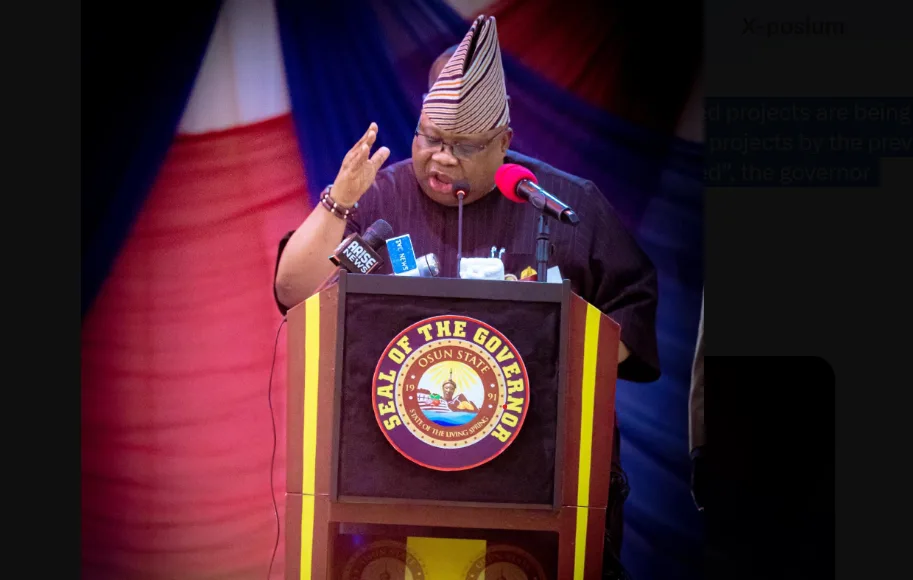
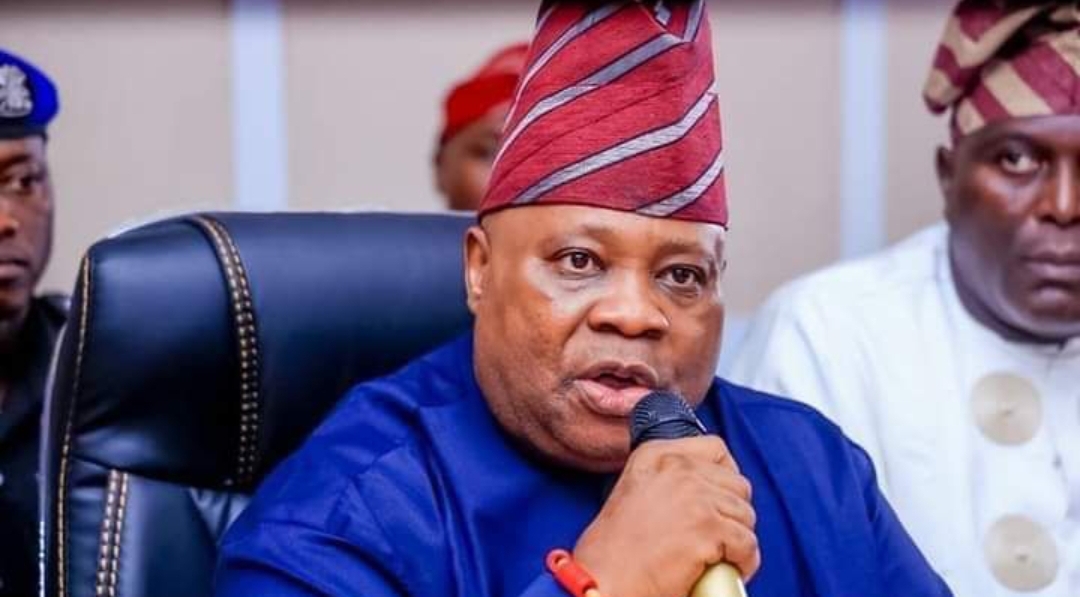
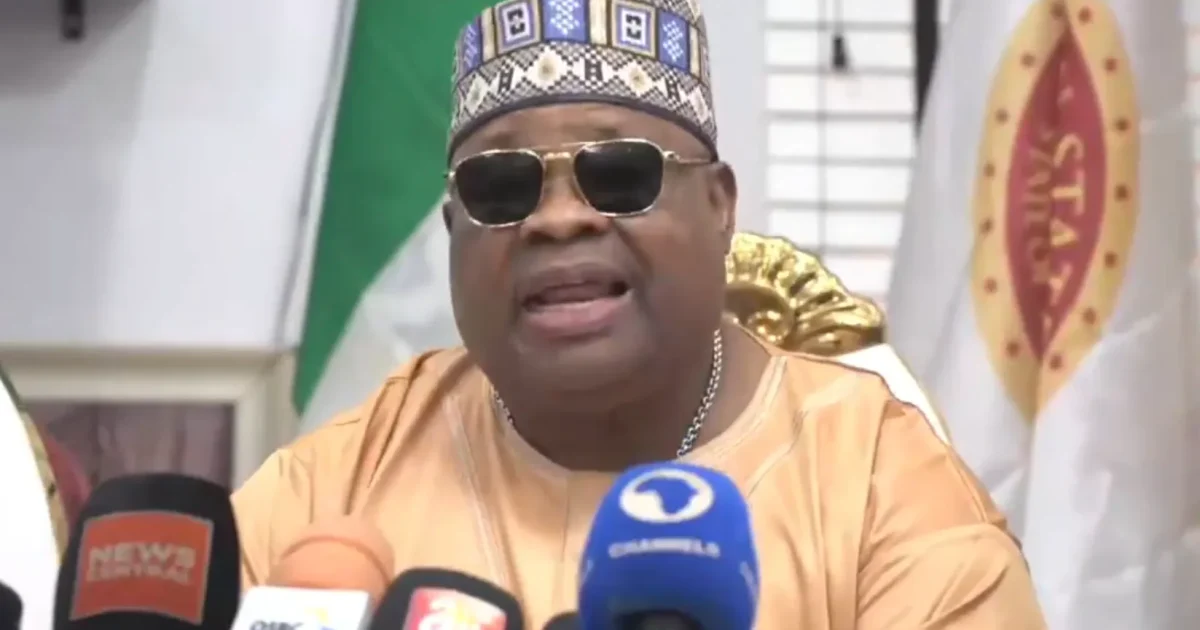
Regarding the focus on Ede, he said other areas also benefited from the government. "We are not left out at all. We are all beneficiaries, but we want more. I’d rate him 85 percent."
Workers’ Welfare and Infrastructure
Abiola Oyetade, a sales representative in Modakeke, praised the administration for its handling of workers’ welfare. With two civil servants as parents, he witnessed their struggles under past governments. "This government is doing well. They have started paying all the outstanding debts," Mr Oyetade said.
He also noted improvements in education, especially in rankings and student performance. "Osun State now ranks in the top five in the country for education. Our students performed well in the recent UTME," he stated.
For AbdulJelili Oyebola from Irepodun Local Government Area, the administration's infrastructure work was clear, but he rated its overall performance as average. He felt more focus was needed on public education and healthcare at the grassroots. "We need better healthcare facilities and more teachers for our public schools," he said.
Mr Oyebola also called for stronger agricultural support and better monitoring of contractors to ensure quality work. "If contractors know their work will be checked, they will do a better job," he added.
Ifeoluwa Olagbaju from Ife East Local Government Area acknowledged the administration's efforts but criticized its healthcare performance. "Asubiaro hospital is overwhelmed with patients. We need more doctors to attend to them," Mr Olagbaju said.
Bosede Omolara, a civil servant from Ikirun, had a different view on workers' welfare. She said timely salary payments improved morale and productivity. "He kept his promises about our salaries and gratuity. We receive payments on time, which has improved our work quality," she said.
Taiwo Onayemi, from Ipetu-Modu in Ife North, praised the administration for workers’ welfare but said security needed more attention. "On his five-point agenda, I’d rate him high for workers’ welfare, but security needs improvement. We hope to see better security in Osun soon," he said.
Adeyemi Waheed from Ede Local Government Area said prioritizing workers’ welfare improved other sectors. "Timely salary payments have boosted morale and helped the economy. The road network improvements also ease agricultural transport," he said.
Business Investment and Job Creation
David Ojo, a cement retailer in Osogbo, believes the government needs to foster a better environment for businesses and young people. He said while progress has been made in workers' welfare, more focus is needed on agriculture, industrialization, and support for small businesses.
"I expect more support for small businesses and investment in agriculture. The government has made some progress, but it hasn’t fully met my expectations. I’d rate it 65 percent," Mr Ojo said.
Zainab Fatiu, a university student in Kwara State but living in Osogbo, also recognized improvements in roads and infrastructure. However, she said not all expectations were met. "Overall, he has done well, but I’d rate his performance as a seven out of ten. We need more job opportunities, better healthcare, education, and security," Ms Fatiu concluded.

Drop your comment
No comments yet — be the first to drop the gist 👇