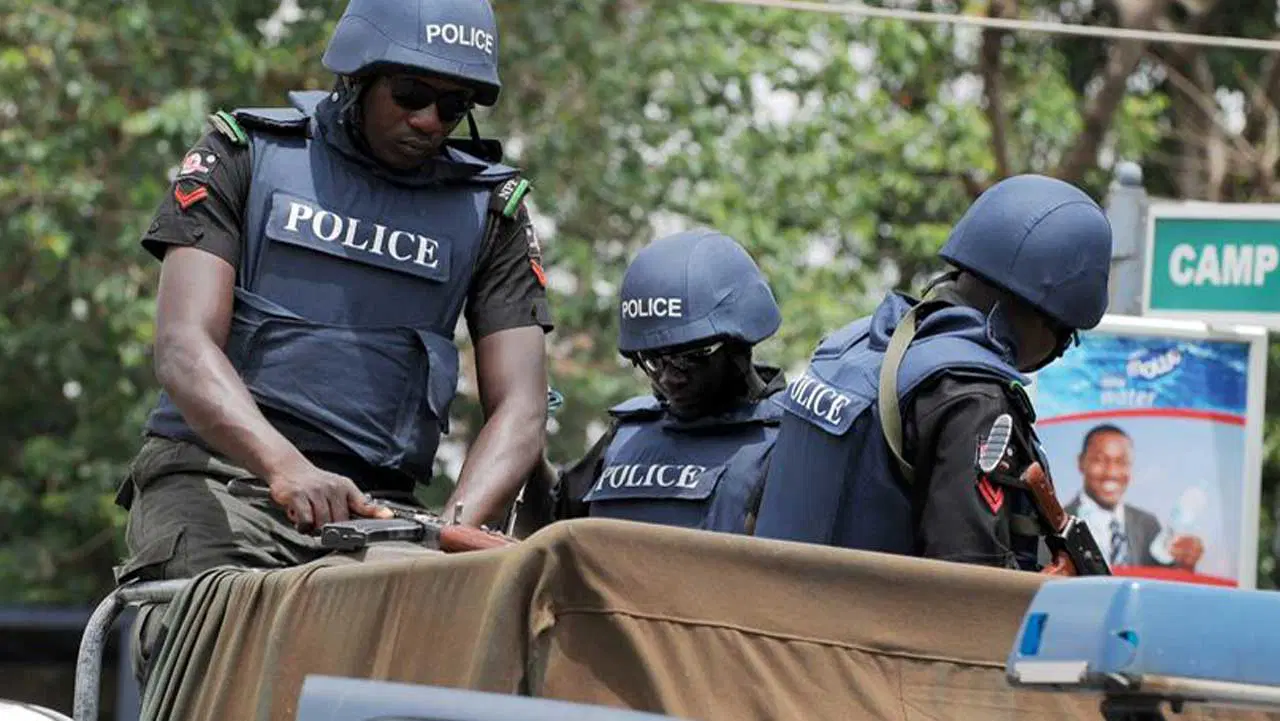
The Nigeria Police Force has shown it is serious about protecting schools. They have opened a 24-hour Schools Protection Squad (SPS) Command and Control Centre at the Force Headquarters in Abuja.
This new centre is part of the Safe Schools Initiative. It is meant to respond quickly to security threats against schools, students, and educational communities across Nigeria.
The police say the SPS Call Centre will take emergency calls about school-related issues. This includes reports of attacks on schools, student hostels, bullying, molestation, harassment, and kidnappings.
The centre will also take calls about any suspicious people or movements near schools and on the way to and from school.
In a post on their X handle, the police told the public to report anything unusual. They said, “If you see something, say something, we will do something.”
The SPS has also shared an emergency contact number for reporting incidents by calls or WhatsApp messages at 080-77-35-77-77.
The police promised that a handler is “available 24 hours a day, seven days a week to respond to distress calls, to receive emergency calls and reports, coordinate rapid response operations, and facilitate timely intervention in school-related security incidents across the country.”
Concerns Over School Safety
The launch of the 24-hour SPS Command and Control Centre comes at a time when there are serious worries about school safety in Nigeria. This follows years of attacks, mass kidnappings, and other threats against students and schools.
The issue drew global attention in April 2014. That was when Boko Haram insurgents kidnapped 276 schoolgirls from Government Girls Secondary School in Chibok, Borno State.
This event caused international outrage and led to the #BringBackOurGirls campaign. It also highlighted how vulnerable schools are, especially in conflict-affected areas of northern Nigeria.

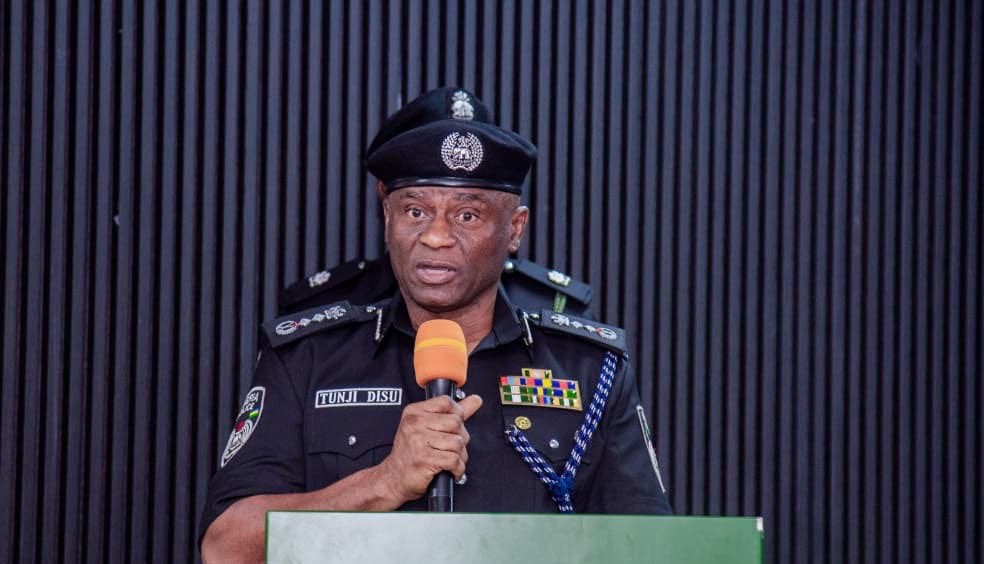
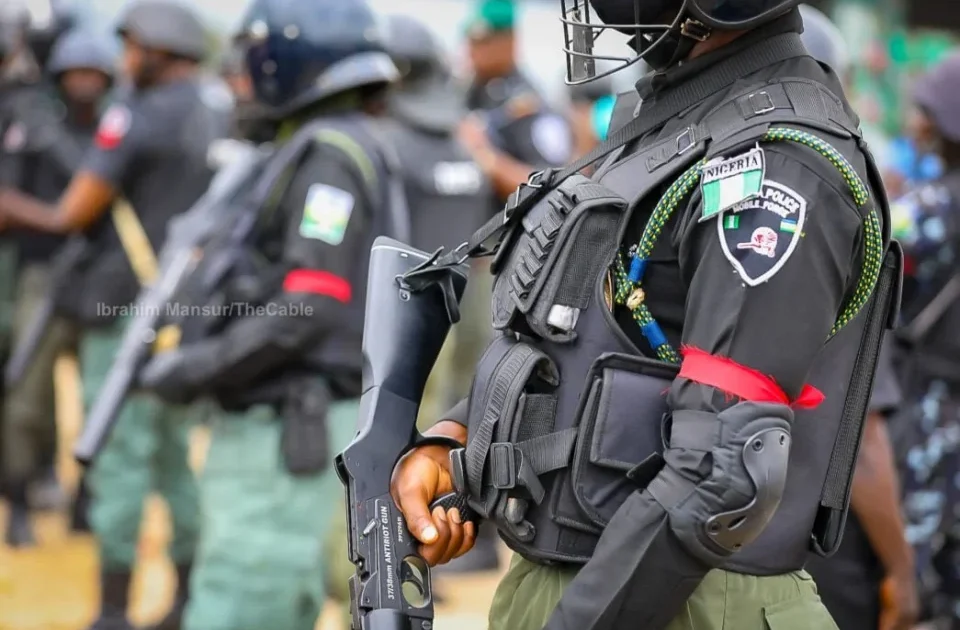
Since then, schools have become prime targets for insurgents, bandits, and other armed groups looking for ransom.
In the last decade, Nigeria has seen 30 mass abductions from schools. A total of 2,310 students have been kidnapped across the country since the Chibok incident.
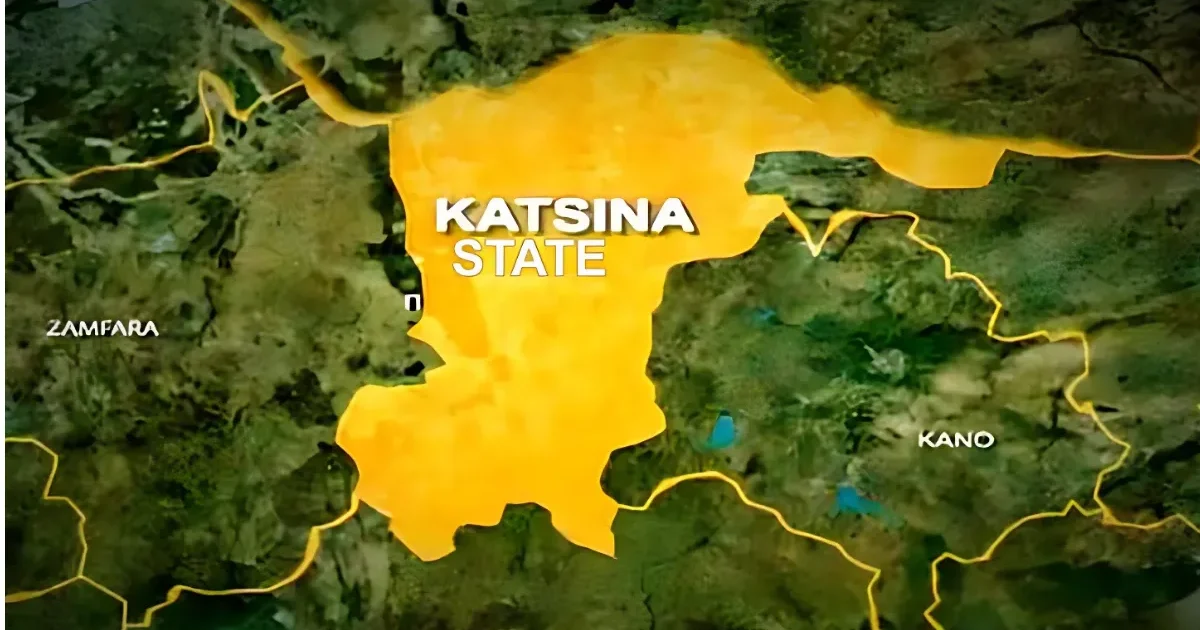
These attacks have happened in states like Kaduna, Lagos, Katsina, Niger, Yobe, Ekiti, Oyo, Borno, Ogun, Zamfara, Kogi, Kebbi, Sokoto, and Nasarawa.
The rise in mass kidnappings has led to disrupted academic activities and temporary school closures in many communities.
UNICEF reported in 2022 that over 11,500 schools have been closed across Nigeria since 2020 due to insecurity. During this time, at least 1,436 pupils and 17 teachers have been kidnapped.
To tackle this growing threat, Nigeria signed the Safe Schools Declaration in 2015. This is a commitment to protect students, teachers, and schools during armed conflict.
The federal government later strengthened the Safe Schools Initiative and launched a National Plan on Financing Safe Schools. This plan is worth about N145 billion for the 2023, 2026 period.
The aim is to improve security at schools, strengthen community protection, enhance early warning systems, and ensure learning continues during emergencies.
Despite these efforts, attacks on schools still happen in many parts of the country. This has led to renewed calls for better preventive and emergency response measures.

Drop your comment
No comments yet — be the first to drop the gist 👇