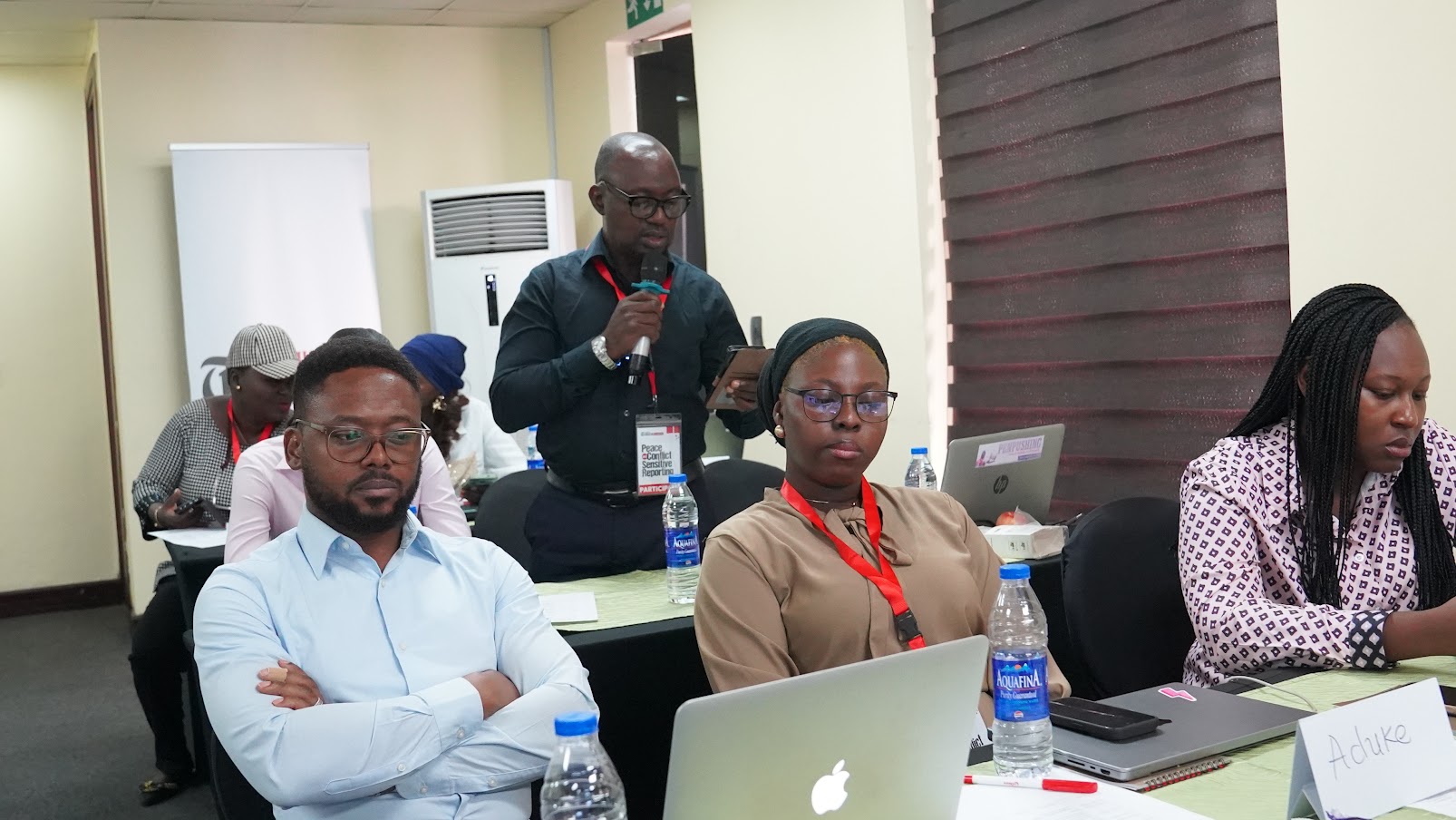
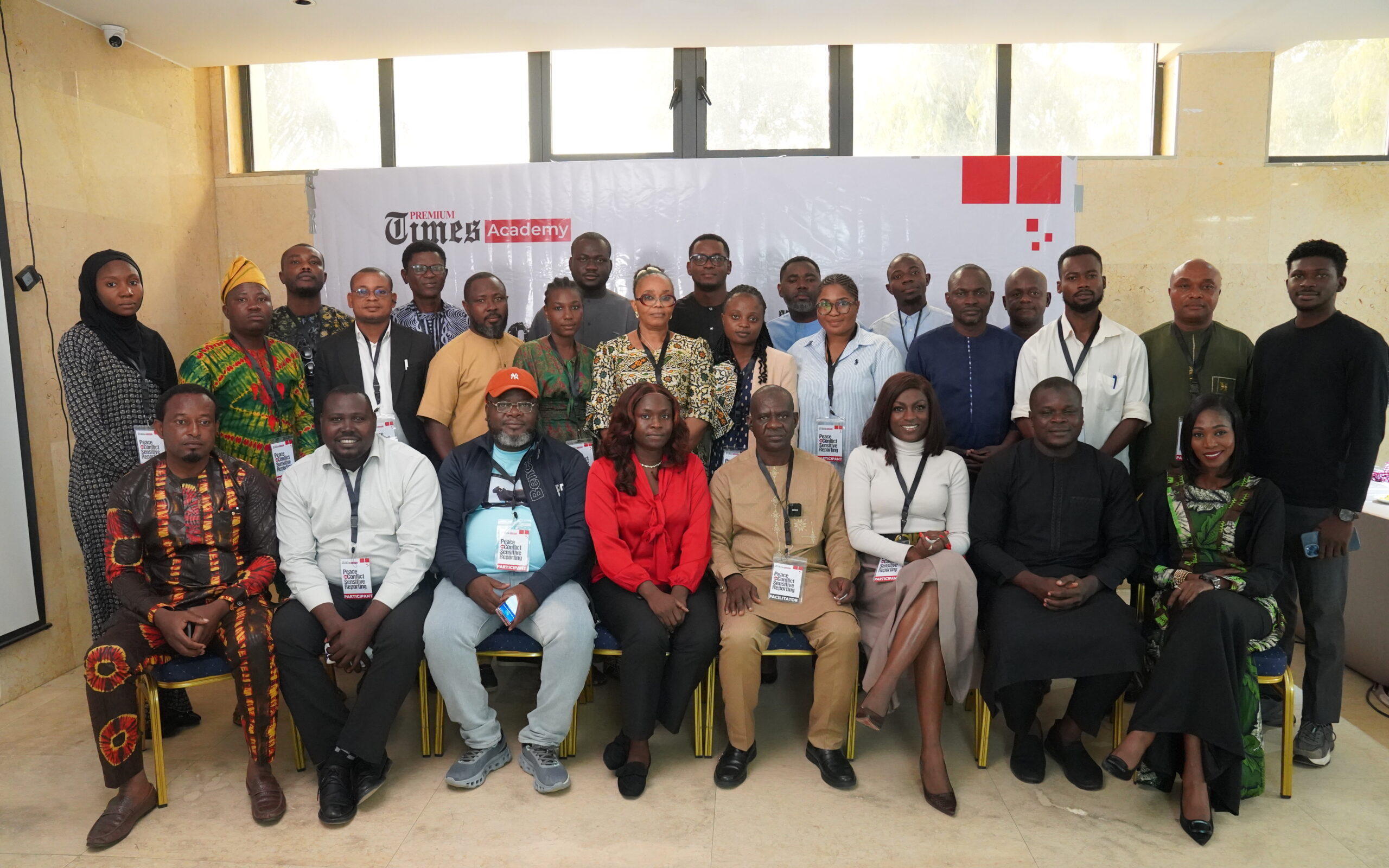
The Premium Times Training Academy (PTTA) held a two-day workshop in Lagos. The aim was to improve journalists' skills in ethical and responsible reporting during conflicts.
The workshop took place on 23 and 24 November. Over 30 journalists from various media organizations attended. They participated in sessions about conflict dynamics, hate speech, misinformation, verification, humanitarian reporting, and ethnic profiling.
This is the second time the academy has hosted a workshop on peace and conflict-sensitive reporting. The first session was held in Abuja in September.
Understanding conflict and the media's role
Tunde Akanni, a professor of journalism at Lagos State University, led the discussions. He talked about what causes conflict and how it develops.
Mr Akanni explained that conflict happens when two or more parties see their goals or values as incompatible. He pointed out that conflict is not always negative. It can lead to social change and push for accountability from the government.
He asked journalists to know the difference between conflict, violence, and simple disagreements. He said their job is more than just reporting events. They also need to explain what these events mean for the public.
"Journalists act as observers and interpreters who must explain the implications of developments to the public," he said.
Abigail Ogwezzy-Ndisika from the University of Lagos also spoke. She discussed how journalism ethics relate to conflict-sensitive reporting.
She warned that the way journalists tell stories can either calm tensions or make them worse, especially with the rise of hate speech.
"The way a story is framed can either reduce tension or act as a megaphone for hate speech," she said.
She urged journalists to follow ethical standards that help promote social harmony instead of increasing tensions.

Editor-in-Chief, Musikilu Mojeed
Lessons from conflict reporting
Dapo Olorunyomi, the publisher of PREMIUM TIMES, discussed the dangers of careless reporting. He drew lessons from past conflicts in Rwanda, Sierra Leone, and Kenya.
Mr Olorunyomi, represented by the Editor-in-Chief, Musikilu Mojeed, explained the difference between disputes and conflicts. Conflicts often involve deeper issues related to identity and historical grievances.
He highlighted how harmful media coverage can lead to severe consequences, like the role of a radio station in the Rwandan genocide.
The discussion also highlighted how irresponsible reporting can deepen divisions and lead to violence.
Reporting conflict without causing harm
Idris Akinbajo, the managing editor of PREMIUM TIMES, led sessions on using conflict-sensitive principles in reporting. He focused on gathering and writing news during times of hate speech.
Mr Akinbajo urged journalists to look beyond visible violence, like protests, to understand the root causes of these issues.
He warned that not understanding these underlying problems could make media outlets tools for propaganda.
He also stressed the need to minimize harm to the public, journalists, and their families. He discussed how reporters can unintentionally spread hate speech in their stories and how to avoid this.
Sourcing and verifying news on social media
Oladeinde Olawoyin, an award-winning journalist at PREMIUM TIMES, addressed the challenges of finding and verifying news on social media.
He pointed out that the growing amount of information on platforms like TikTok and Instagram makes it hard to tell real news from regular posts.
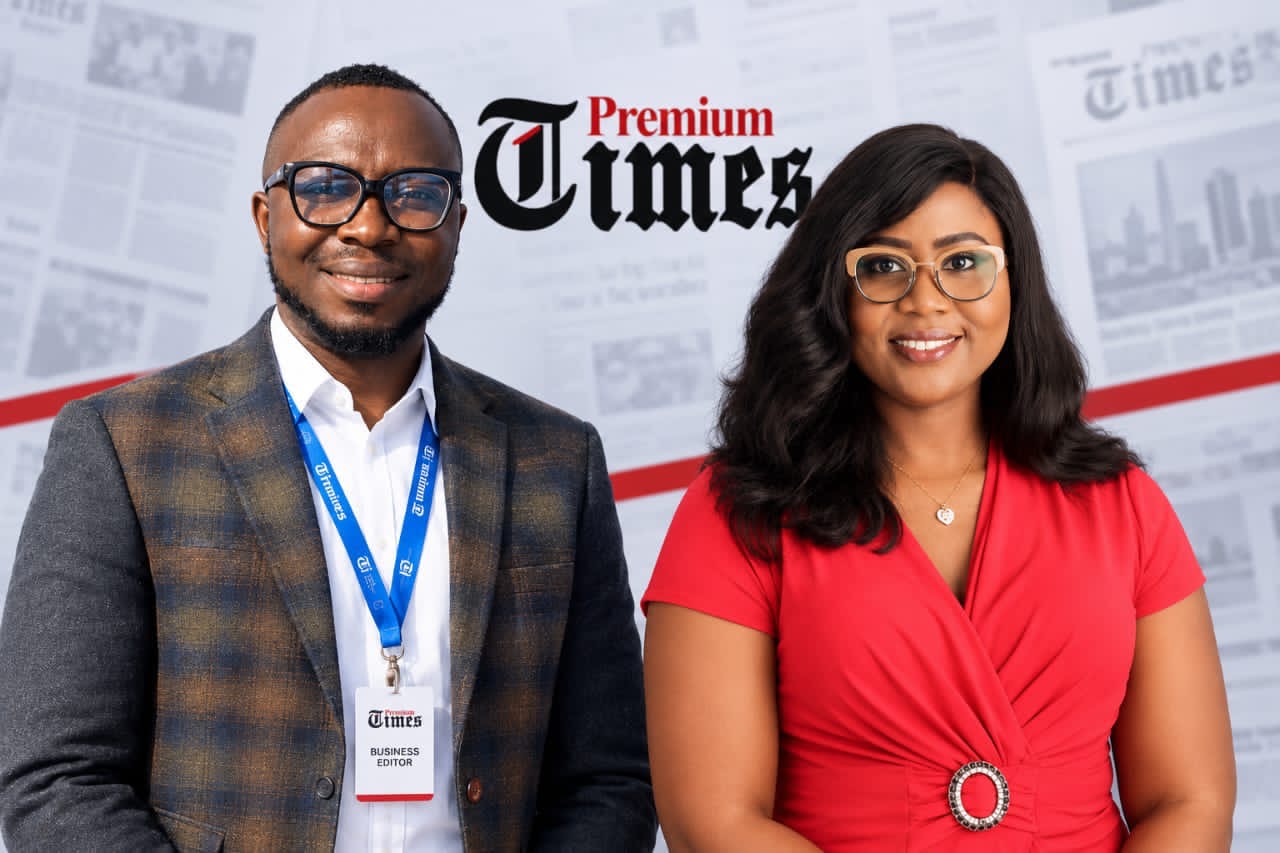
He urged journalists to evaluate stories based on factors like relevance and local significance while maintaining professional standards.
David Ajikobi from Africa Check also shared methods for verifying social media claims in the age of artificial intelligence.
He explained what journalists can do in the first 15 minutes after a claim appears to confirm its truth and stop false information from spreading.
Humanitarian reporting
Mr Mojeed also discussed the role of journalists in covering humanitarian issues accurately and with context.
He cautioned that being sensitive to conflict should not compromise facts. He warned journalists against sacrificing truth for the sake of sensitivity.
He urged reporters to question the accuracy of some official figures, suggesting they should present their findings alongside official reports.
For example, if a journalist independently counted 20 bodies while the police claimed there were six, both accounts should be included in the story.
Mr Mojeed highlighted underreported issues, such as internal human trafficking and the impact of poor education on vulnerable youth.
Kadaria Ahmed, a journalist and founder of Radio Now, discussed how media can shape public views and contribute to the dehumanization of certain groups.
She pointed out how ethnic profiling can show up in newsrooms, including how stories are framed and who is quoted.
She warned against using labels like "killer herdsmen" when the identities of suspects are unclear.
Ms Ahmed said journalists should report crimes like kidnapping without linking the actions of individuals to entire ethnic groups.
She argued that identity politics often oversimplifies complex issues by reducing people to their group identities.
Participants share their experiences
Participants described the training as a chance to improve their skills and understanding of conflict-sensitive reporting.
Evelyn Usman, an editor at Vanguard newspaper, said the sessions offered valuable lessons for her reporting.
"I acquired knowledge that will assist my reporting and also help me be a better gatekeeper in peace and conflict-sensitive reporting," she said.
Ms Usman plans to share what she learned at her newspaper’s board of editors' meeting.
Toliat Musa, a journalist with the Nigeria Television Authority, called the workshop an eye-opener. He noted that journalists need to understand their role in managing conflict through responsible reporting.
Opeyemi Lawal from the Foundation for Investigative Journalism said discussions on conflict-sensitive reporting are crucial since they influence how the public views journalism.
"There are a lot of latent conflicts in our society, as the training stated. So the training is important for us to learn how to stem and nip issues like this in the bud," he said.
Eniola Daniel, a journalist with The Guardian, praised the organizers and said the lessons from the workshop are invaluable.
"We have learned something that cannot be quantified," he said.
Drop your comment
No comments yet — be the first to drop the gist 👇