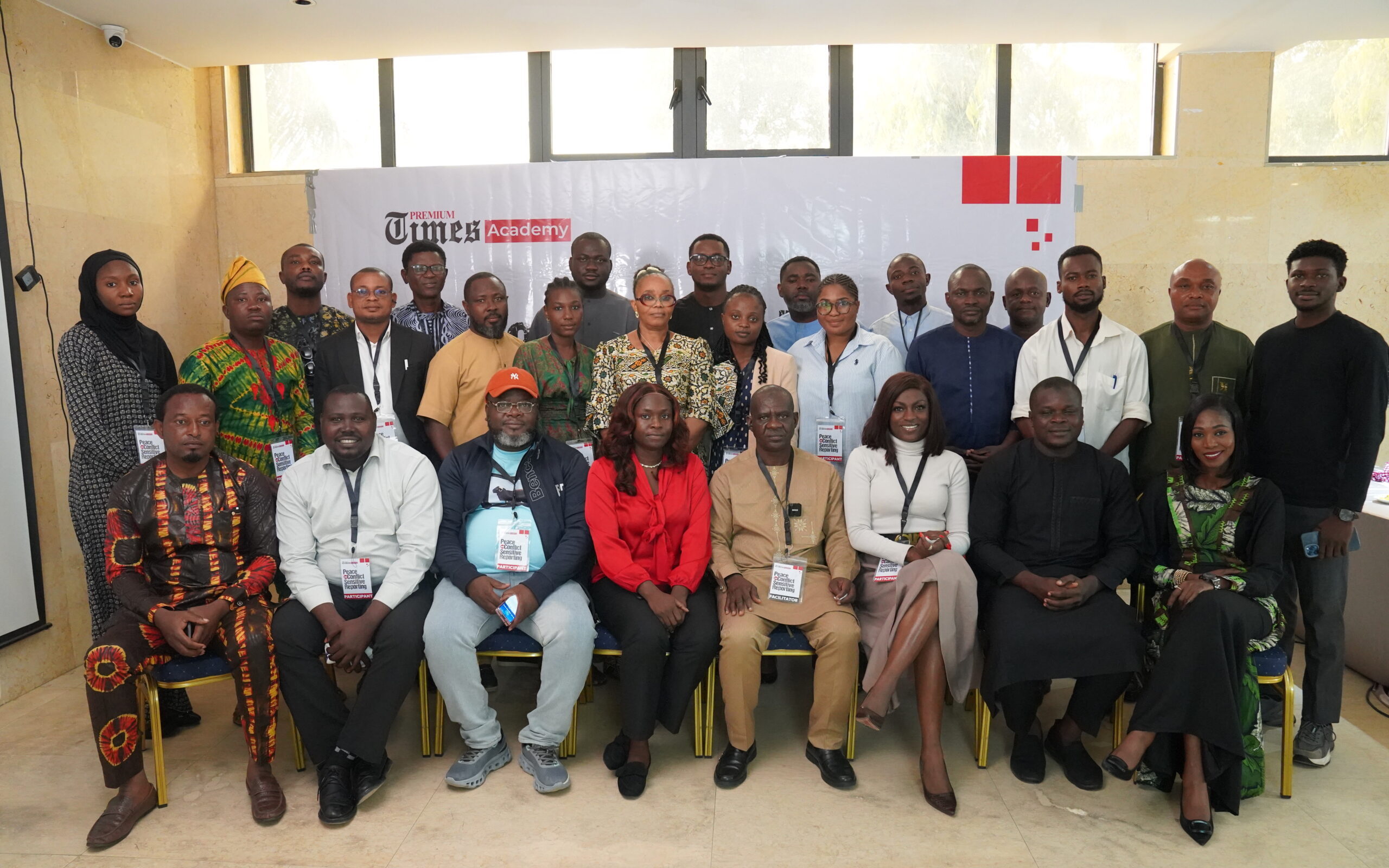
Premium Times Academy, which is part of Premium Times Services Limited, started a two-day training for journalists from different media houses across Nigeria on peace and conflict-sensitive reporting. This training kicked off on Wednesday in Abuja.
The training focused on accurate and factual reporting. It included several sessions to help journalists understand the nature, causes, and dynamics of conflicts. It also covered ethical standards regarding hate speech and fake news.
The goal was to help journalists improve their skills in reporting conflicts, verifying news from social media, and gathering humanitarian information.
Experts from academia and media were the facilitators.
In 2025, the academy had trained journalists on business and financial reporting. This year, the focus shifted to how journalists should report on conflict.
Understanding Conflict Dynamics
Isaac Albert, a professor of African history and peace studies, guided participants on understanding conflict. He explained why journalists must know the context of conflicts to report accurately.
Mr. Albert said, "You need to dig deep beyond the surface to report the actual conflict; this can be unearthed through investigative journalism. Do not report only on the effect of conflict."
He also warned journalists against sensationalism, reporting unverified claims, and one-sided stories. He said these practices can worsen conflicts in society.
Ethics and Hate Speech
Joan Hassan, an associate professor of communication and media studies, spoke about the need for objectivity. She emphasized avoiding hate speech and spreading fake news. "It is our responsibility as journalists to mitigate hate speech," she said.
She urged news organizations to speak out against hate speech, especially as Nigeria heads towards its 2027 general elections. Political campaigns have seen controversial statements from public figures.
For example, Islamic cleric Sani Jingir controversially labeled Nigeria a Muslim-majority country. He called for mass support for the Muslim-Muslim presidential ticket of the ruling All Progressives Congress (APC) in 2027 and condemned those who disagreed.
Ms. Hassan urged journalists to reject such rhetoric and highlighted the need to keep bias out of their reporting.
Conflict-Sensitive Reporting Principles
Idris Akinbajo, Managing Editor of PREMIUM TIMES, led a discussion on how to apply conflict-sensitive principles to real reporting situations.
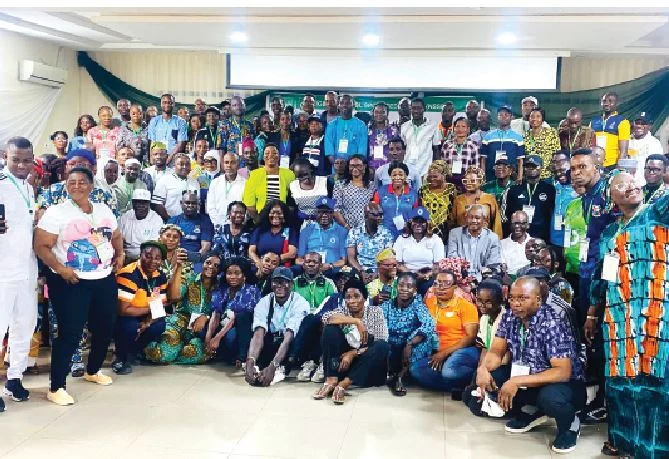

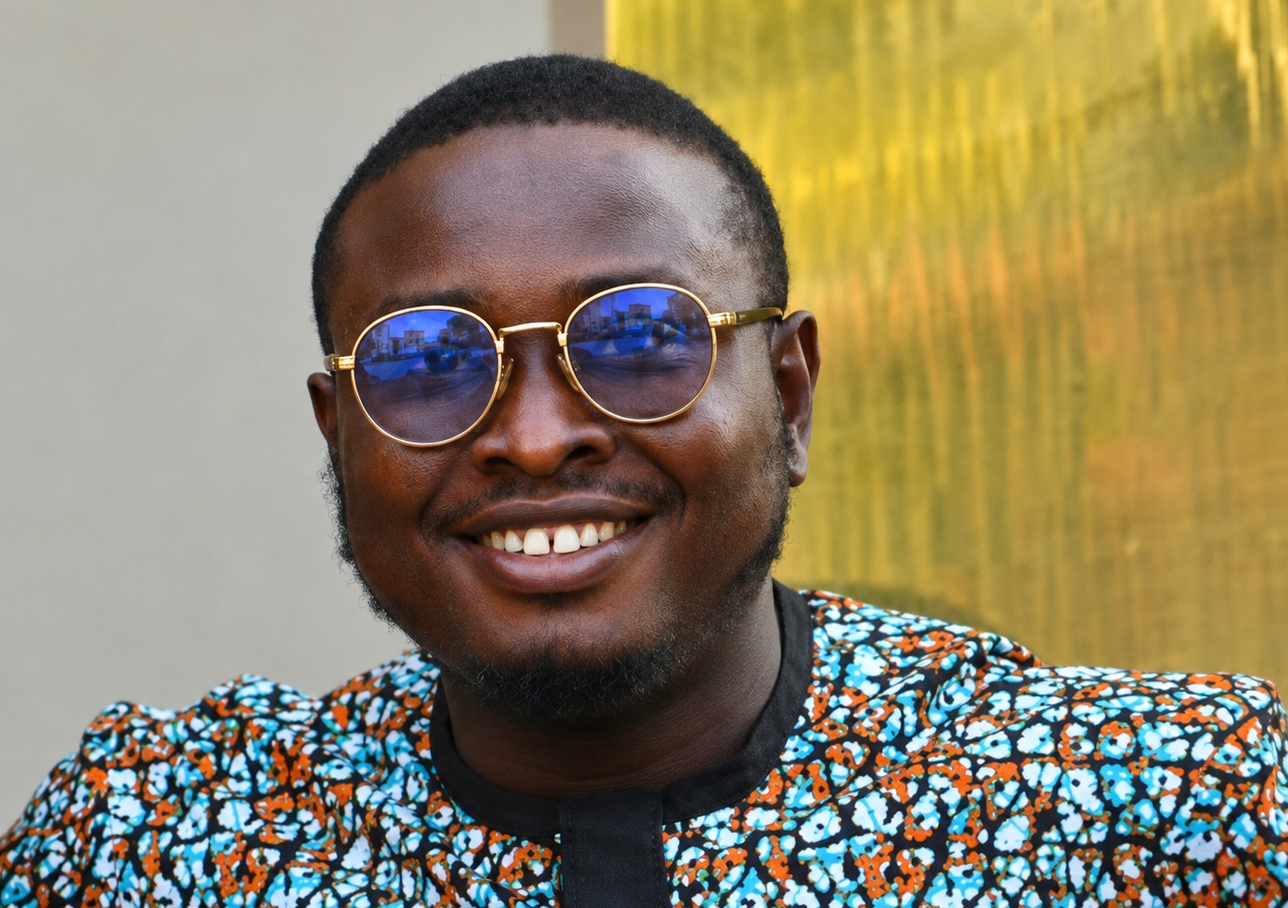
"Our job as journalists is to report facts. The fundamental principle of our job is accuracy," Mr. Akinbajo said.
He and Mr. Albert stressed the importance of understanding conflict cycles and recognizing early signs.
"Part of our responsibilities is to help readers understand the root problems," Mr. Akinbajo said.
He encouraged journalists not to focus only on violence.
"When we focus on violence, we also miss the opportunity to send early warning signals about impending confrontation," he added.
Gathering Humanitarian Information
Musikilu Mojeed, the editor-in-chief of PREMIUM TIMES, gave insights on sourcing relevant humanitarian information. He pointed out that humanitarian crises create urgent information needs for affected communities, responders, and decision-makers.
Mr. Mojeed said, "How humanitarian crises are handled depends largely on how journalists do their work."
He urged reporters to focus on solution-based journalism during humanitarian crises. It is not enough to report on casualties; they should also find out how communities are trying to solve their problems.
He also mentioned the importance of data in humanitarian reports. Data can show trends, maps, and patterns of issues. It can also expose gaps in humanitarian responses and help verify claims.
He urged journalists to fact-check any data they come across because it could be manipulated.
Fact-Checking Social Media News
Oluwaseyi Ayeni, Standard Editor at PREMIUM TIMES, discussed guidelines for sourcing news from social media. She reminded journalists that their role has changed from being gatekeepers to gatecheckers.
She stressed the need for verification and authentication of content. This can be done by checking the source, content, and getting permission.



Drop your comment
No comments yet — be the first to drop the gist 👇