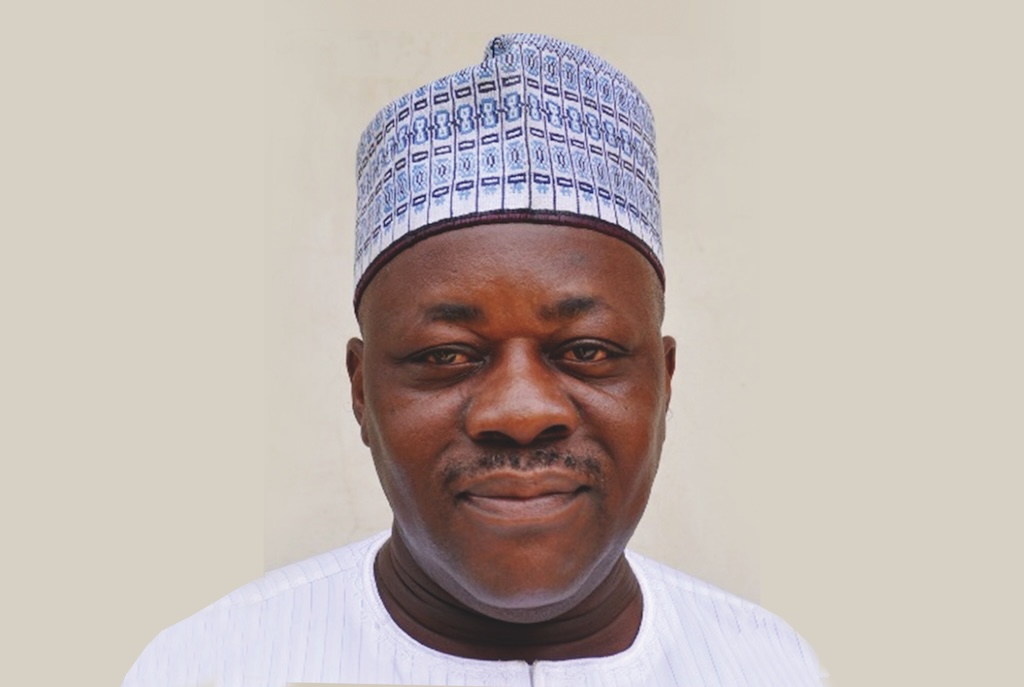
Today is June 12. As we remember the events around the annulled election of June 12, 1993, we should also reflect on how long ago that was. For most Nigerians, 33 years feels like a lifetime, especially with a population where the average age is just 18. For those of us who fought for democracy, June 12 marked an important step towards a true democratic Nigeria. The story of June 12 highlights many heroes, including Chief MKO Abiola, his wife Kudirat, General Shehu Musa Yar’Adua, and Pa Alfred Rewane. But the real heroes were the countless everyday Nigerians who stood up against military rule and pushed them out of power. Sadly, many ordinary Nigerians today are not celebrating June 12. Instead, they are asking why, how, and when Nigeria's democracy fell apart. The reality for the current generation is that they only see greedy people in power who steal from the public purse. It is time to stop praising our democracy and its heroes and to reignite the fight for democracy in Nigeria.
The Fourth Republic has been around since 1999. During this time, our democratic process has lost its meaning. One way to understand what has happened is to look at how careless political groups have put Nigeria in a dangerous position regarding the separation of powers. The balance of power among the branches of government is under threat. The separation of powers divides government roles into three branches: legislative (makes laws), executive (enforces laws), and judicial (interprets laws). This system ensures checks and balances that prevent tyranny, protect individual rights, and hold the government accountable.
The main reasons why separation of powers matters in democracy include:
Preventing Tyranny: Sharing power among different branches means no one person or group can become a dictator.
Enabling Checks and Balances: Each branch has the power to monitor and limit the others. For example, the legislature can pass laws, but the executive can reject them, while the judiciary can cancel laws that are unconstitutional.
Protecting Human Rights: An independent judiciary makes sure that laws are applied fairly and that citizens are safe from arbitrary government actions.
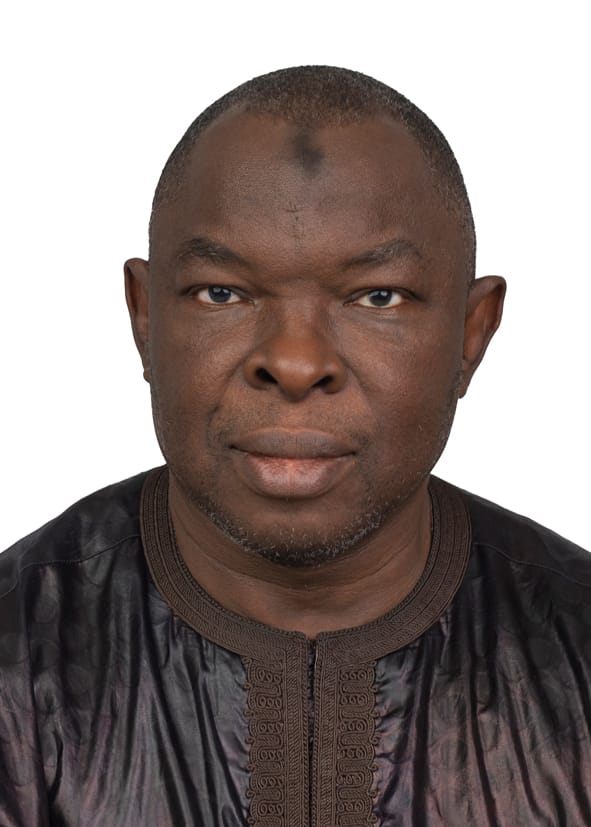
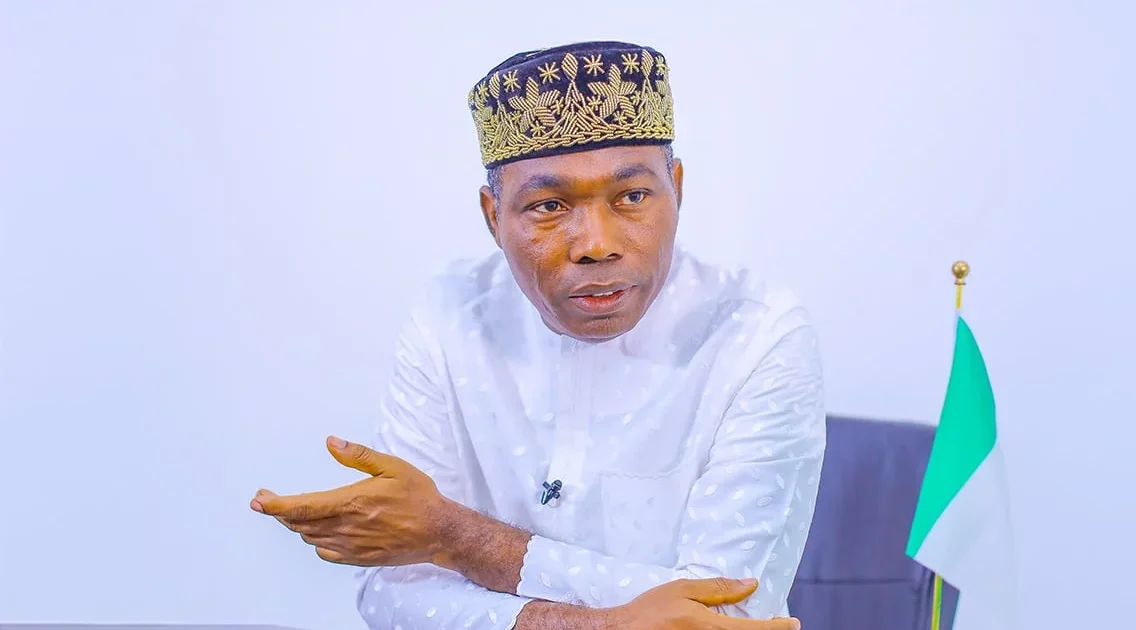
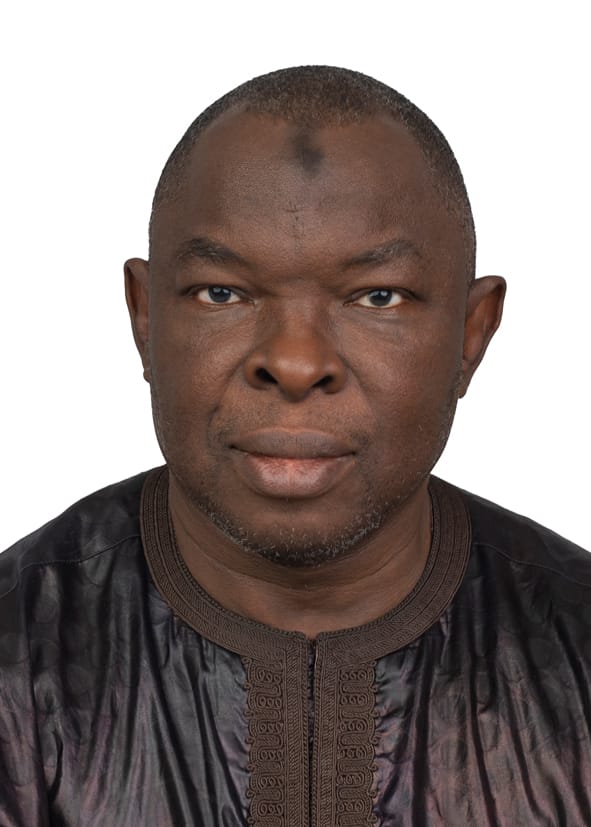
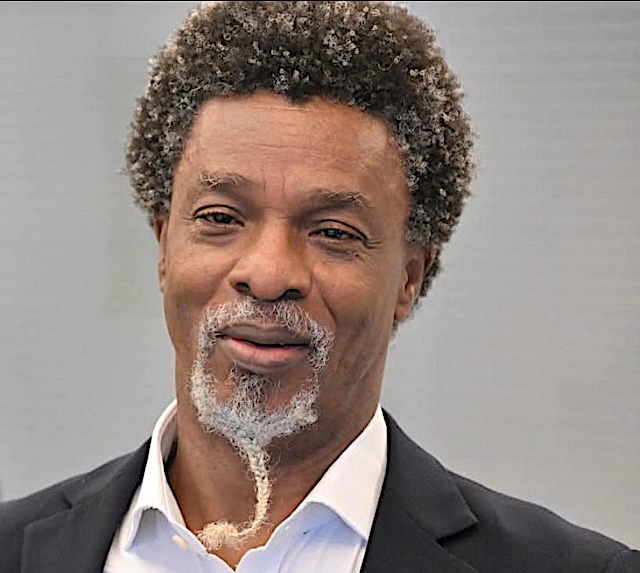
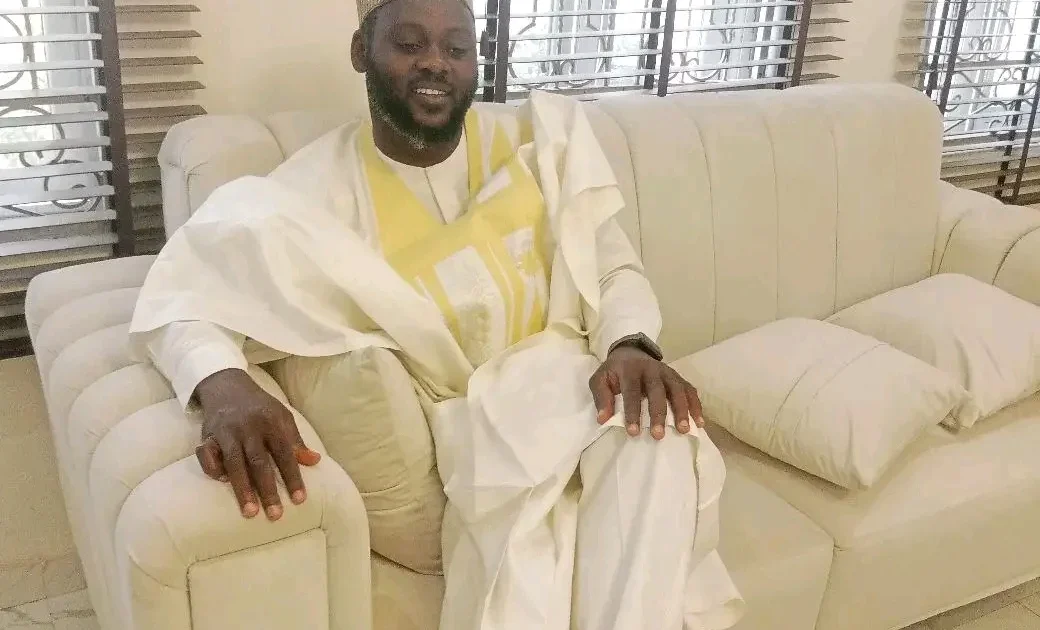
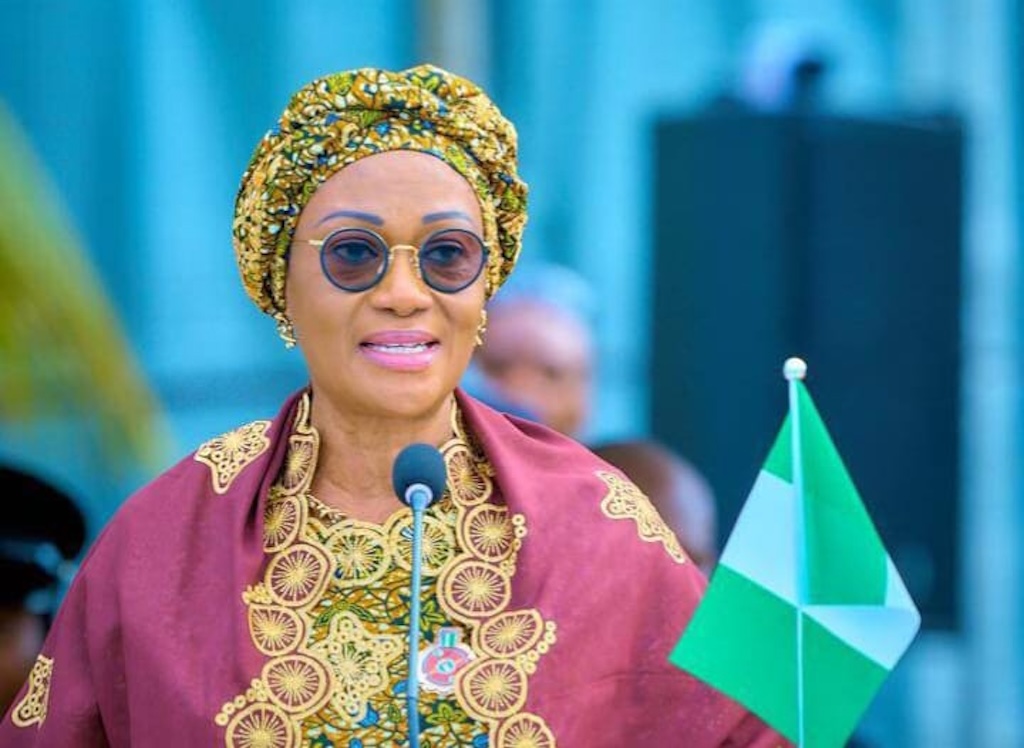
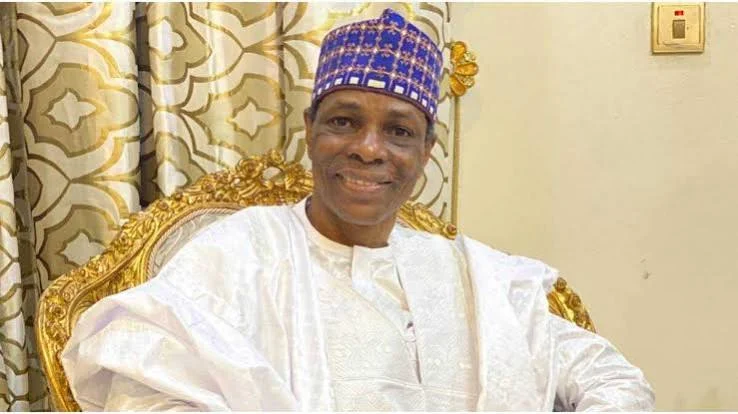
Recognizing these principles, ten concerned Nigerians issued a press release this week. We expressed our worry about the rising threats to Nigeria, its democracy, and the rule of law. Our assessment shows that Nigeria is at a dangerous point where increasing insecurity, high levels of electoral manipulation, and weakening democratic institutions are coming together to create a national crisis that threatens the country’s future.
The legislative branch is almost entirely controlled by the executive. The judiciary seems to have lost its independence and integrity. There are no checks on the executive’s powers, which leads them to act without accountability or regard for the people's concerns. Institutions have been compromised and weakened, serving the interests of the executive instead of the public. This decline in institutional independence has led to a high level of public distrust, creating a crisis of political exclusion and impunity that is pushing violence, organized crime, and community conflicts to a breaking point.
To change this path, Nigeria must urgently return to democratic accountability, judicial independence, and reforms that strengthen the rule of law. The electoral process needs to be transparent, credible, and free from executive interference.
The crisis in Nigeria is linked to the broader instability in the Sahel region. The spread of terrorism, arms trafficking, and government changes without elections, along with weak borders in countries like Mali, Burkina Faso, and Niger, are increasing insecurity in Nigeria and the Lake Chad Basin. The collapse of regional cooperation and democratic governance in the Sahel encourages armed groups, weakens state authority, and makes it harder to protect civilians in West Africa.
Nigeria should revitalize regional security cooperation with Sahelian countries by creating strong platforms for sharing intelligence, managing borders, and building peace in communities.
Also important is investing in youth jobs, education, social support, and local conflict resolution to tackle the root causes of radicalization and insecurity.
Recommendations
- The government should quickly recognize that insecurity in the Sahel contributes to Nigeria’s crisis. Building connections between AES (Alliance of Sahel States) and ECOWAS is vital for Nigeria’s national interest.
- The government should appoint a high-level Special Envoy for the Sahel to rebuild trust between Nigeria, the AES, and ECOWAS, while improving regional peace and security mechanisms.
- Civil society groups should educate citizens and push for accountability. Nigerians must be brave in protecting their rights and resisting the current limits on civic space.
- The Private Sector, as key players in Nigeria’s development, should keep supporting and demanding accountability in governance and the rule of law for economic growth and nation building. Professional groups must work towards a national agreement to oppose tyranny and ensure checks and balances in governance.
- Traditional leaders and religious figures must use their moral authority to promote peace, unity, and dialogue to stop the rise of crime and civil disorder.
- Given the clear issues with INEC's neutrality and competence, professional groups like the Nigerian Bar Association and others must engage with the electoral body to ensure the 2027 elections are free and fair.
- The Judiciary needs to address concerns about its involvement in delaying democracy. It must stay independent and uphold the rule of law. The Nigerian Bar Association should ensure its members act professionally and keep a close eye on the judiciary, remaining vigilant to ensure political actors follow the rules. The National Judicial Council must create a system to hold judges accountable for their decisions in the electoral process.
Professor Jibrin Ibrahim
Dr Husseini Abdu
Ambassador Fatima Balla (OON)
Dr Usman Bugaje
Professor Ibrahim Gambari (CON)
Dr Yahaya Hashim
Professor Attahiru Muhammadu Jega (OFR)
Mohammed Kuna
Abubakar Balarabe Mahmoud (SAN, OON)
Mallam Kabiru Yusuf.
Drop your comment
No comments yet — be the first to drop the gist 👇