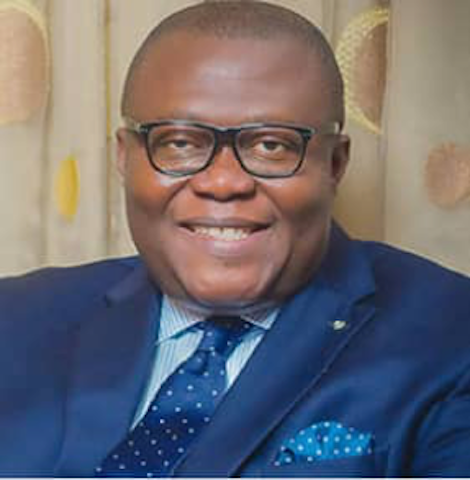
The recent showdown between Lere Olayinka, who is the senior special assistant for public communication and social media to the Federal Capital Territory Minister, Nyesom Wike, and Arise News anchor Rufai Oseni on The Morning Show last Friday has sparked a lot of discussions about journalism, public officials, and the limits of confrontational journalism. It was quite a show.
Lere Olayinka was invited to join the program hosted by Dr Reuben Abati, Ayo Mairo-Ese, and Rufai Oseni. Lere should have known all three would be there. He accepted the invitation and entered the Arise News studio in Abuja. He responded to questions from Abati and Ayo. But when it was Rufai’s turn, Lere stated he would not answer Rufai’s questions because he saw him as an “enemy” and wanted to talk only to “reasonable human beings.” That was over the top and not acceptable.
A spokesperson for a public official cannot choose which journalist is “reasonable” enough to ask questions. Once a government spokesperson accepts an invitation to a major TV show, they must expect tough questions, even ones they find uncomfortable or unfair.
The right thing to do is to answer the questions, challenge the question's basis, correct the interviewer, or refuse to answer a specific question for a valid reason. What is not acceptable is trying to decide which anchor is worthy of their responses.
Ayo Mairo-Ese was correct to step in and end the interview. Her message was clear: since Lere knew there were three anchors and accepted the invite, he cannot later claim that one of them is an “enemy” and not deserving of answers.
But this incident should not distract from the larger issue raised by Rufai Oseni’s style of interviewing.
What is Adversarial Journalism?
Journalism is not about public relations. A journalist does not need to make a government official or politician feel comfortable. The main job of journalism is to search for the truth, question power, and give citizens the information they need to make good decisions. This is where confrontational journalism comes into play.
Adversarial journalism is a style of reporting that puts powerful people under scrutiny. It challenges claims, tests facts, reveals contradictions, and does not take official explanations at face value. In a democracy, this is necessary.
Some of the most memorable TV interviews worldwide come from journalists who refuse to let powerful guests dodge tough questions. Names like Christiane Amanpour, Piers Morgan, Jerry Paxman, and Rufai Oseni belong to this group. He is bold and asks questions that many journalists shy away from.
Rufai frequently questions government officials and politicians about their claims and policies. His preparation is clear; he knows a lot and connects different issues well, making The Morning Show very popular. This is why he has so many fans.
But this popularity also makes him a controversial figure. There is a fine line between aggressive journalism and being combative; between tough questioning and confrontation. It is important not to cross that line.
Rufai's Strength Can Also Be His Weakness
Rufai has built a unique TV persona. He is passionate, lively, confident, and not easily intimidated. These traits are strengths, but TV can amplify personality. What works well at one time can become annoying if overused.
The journalist must control the interview without making it feel like a battle with the guest. This is especially key when talking to government officials. A tough interviewer does not have to be an angry one. A hard question does not always need to be asked aggressively, and calm cross-examination can be very effective.
Sometimes, the best question on TV is asked softly. The goal is not to defeat the guest but to get information, show contradictions, and let viewers think for themselves. If the interviewer gets caught up in a fight with the guest, the focus shifts from what is being discussed to the personalities involved. That is risky. When the journalist becomes the news, that is a problem.
Lere Was Wrong But Rufai Should Listen
It is necessary to separate the two issues. Lere Olayinka’s actions should be criticized. His refusal to answer Rufai because he sees him as an “enemy” was unprofessional. Continuing the fight on social media after leaving the studio only added to an unnecessary drama. It was clearly bad faith.
There is no reason to keep questioning Rufai’s skills because he studied Animal Science. What is wrong with that or with degrees in History, Mathematics, Biochemistry, Psychology, Architecture, or Law? These are all courses offered in Nigerian universities.
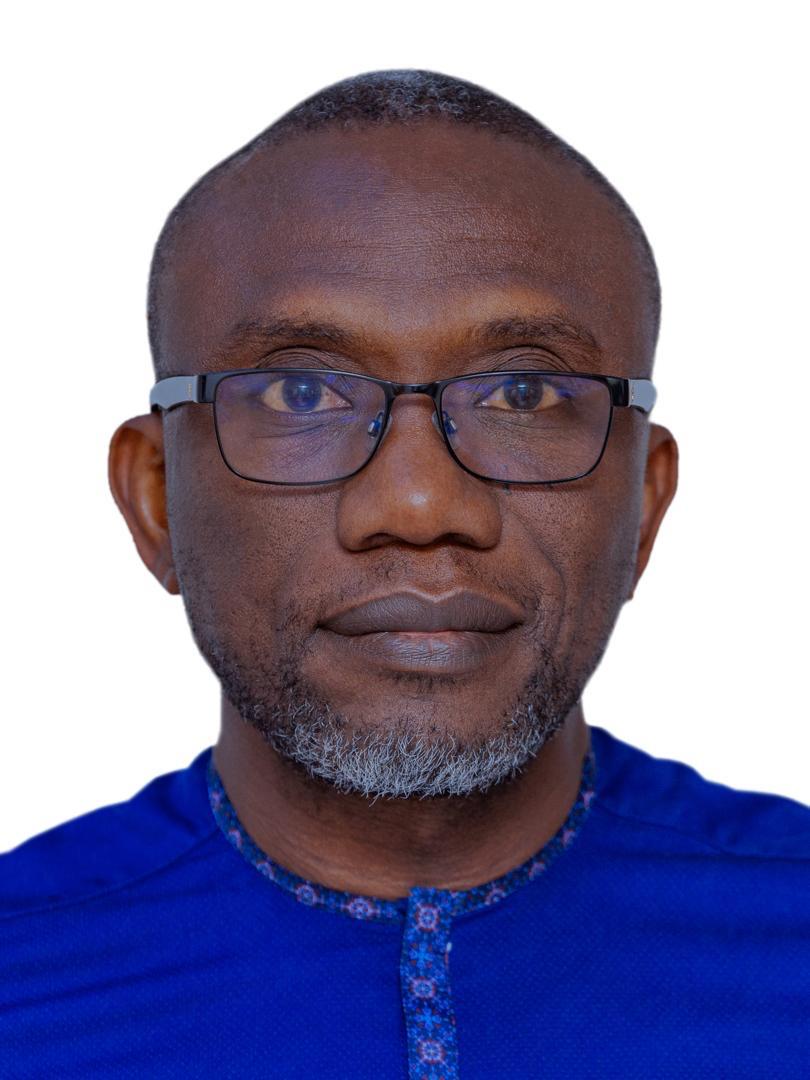
Journalism is a field where people gain expertise through education, training, and experience. A person's first degree does not solely determine their ability to be a good journalist.
Rufai has clearly gained significant experience in broadcasting. But Lere’s provocation does not mean Rufai should ignore valid criticism of his approach. In fact, as an influential media figure, Rufai should welcome constructive feedback.
He has built something impressive on The Morning Show. Alongside Reuben Abati, Ayo Mairo-Ese, Adefemi Akinsanya, Vimbai Muthihirin-Ekpenyong, and Ojy Okpe, he has helped create a show that attracts a large audience. The anchors bring different styles and strengths, which adds to its appeal. But with influence comes responsibility.
The Danger of Overreach
Rufai’s fans admire his courage, but critics say he sometimes goes too far with aggression and confrontation. The truth is both views can exist. Just because millions enjoy his style does not mean every part of it is good. And just because some viewers find him harsh does not mean he should change his approach entirely. The solution is balance.
Rufai does not need to be a different journalist; he just needs to refine who he is. He should keep his probing questions, hard work, bravery, and intelligence. But he can lower the volume, reduce interruptions, and avoid personal confrontations.
He can challenge without seeming hostile, disagree without taking offense, and question his guests without turning the interview into a courtroom fight. He can also let a guest finish speaking even when he knows the answer is evasive. That might make his questions even stronger.
There Is a Lesson Here for Public Officials Too
Government spokespersons and politicians must see that the media landscape has changed. They should stop feeling entitled. They cannot expect friendly interviews just because they are in government. A journalist’s job is not to shield a public official from tough questions. Holding public office is a trust for the people, and those speaking for officials should expect probing.
If a spokesperson thinks an interviewer is biased, they should make that point publicly and professionally. If a question is wrong, they should correct it. If it is malicious, they should say so. But refusing to answer because a journalist is seen as an “enemy” suggests the spokesperson is hiding something. It also denies viewers the chance to hear the government’s side.
The Media Must Be Bigger Than Personalities
The clash between Lere and Rufai teaches an important lesson for Nigerian journalism. TV news is not a performance, even though it is a visual medium. The personalities of anchors matter, but journalism is more important.
The Morning Show is influential because it mixes news, analysis, debate, interviews, and entertainment. Its anchors have built a community of viewers and even a movement. That influence must be protected.
Rufai should not see calls for moderation as an attempt to silence him. In fact, the most impactful journalists continually adapt to the changing media scene. There is nothing wrong with being confrontational. Democracy needs journalists who challenge power, but this should be based on evidence, persistence, and courage, not unnecessary hostility.
The best interviewer is not always the loudest or the one who wins arguments; it is the one who asks questions the guest cannot dodge. That is the Rufai Oseni I hope to see more often. Maintain the bravery, ask the tough questions, mix facts and opinions, and keep pushing for specifics.
Rufai should continue to hold power accountable, but he should also tone down his style. This is what your friends, not enemies, should tell you. As for Lere Olayinka, he must understand an important truth: if you take the microphone, you must also take the questions. Public communication is not a menu where you choose only the questions you like.
Both journalism and public service need accountability, and the media must keep power in check. Journalists also need to be accountable for how they use their power.
Drop your comment
No comments yet — be the first to drop the gist 👇