London-based FTSE Russell has added 6 Nigerian stocks to its list of 50 most liquid frontier market stocks. This announcement came in a market disclosure on 4 September.
The FTSE Frontier 50 Index tracks the performance of the 50 most liquid stocks from 26 frontier markets. The Nigerian stocks included are First HoldCo, Dangote Cement, MTN Nigeria, Aradel Holdings, Guaranty Trust Holding Company, and Zenith Bank. This information was confirmed in a list shared by PREMIUM TIMES on Monday.
As the week began, these stocks had market values of ₦6.8 trillion, ₦17.4 trillion, ₦17.1 trillion, ₦6.5 trillion, ₦4.9 trillion, and ₦5.3 trillion, according to market data available.
The year-to-date returns on these stocks are impressive. They stand at 213 per cent, 69.8 per cent, 59.1 per cent, 122 per cent, 46.3 per cent, and 108 per cent, respectively, from the local bourse in Lagos.
Importance of the Index
FTSE Russell explained that apart from liquidity, the index uses its country classification method. This method assesses markets based on size, governance, and market infrastructure, as stated in a factsheet on their website.

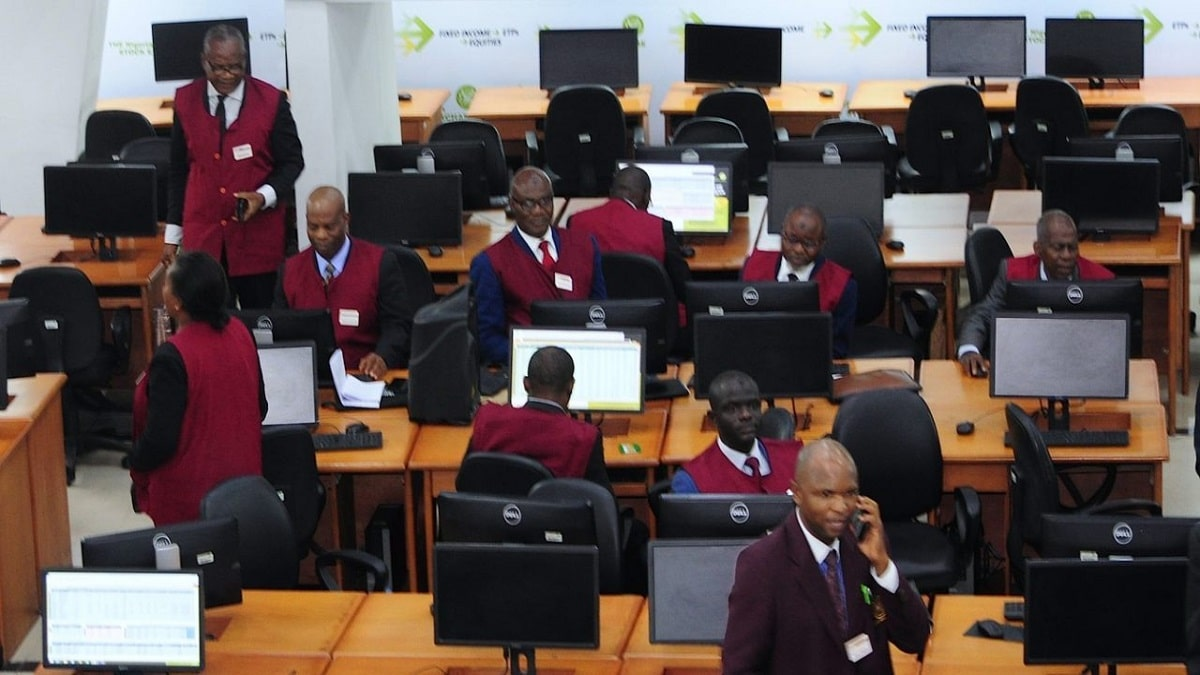
Getting these stocks into the index boosts their appeal to investors. They rank higher than 4 other Nigerian stocks that were also approved last week. All these stocks will join the larger FTSE Frontier Index later this month.
The 4 additional stocks are Stanbic IBTC Holdings, Nestle Nigeria, Nigerian Breweries, and Presco. All 10 Nigerian stocks will fit into the Large Cap category of the FTSE Frontier Index.
As of 31 August, the FTSE Frontier Index included 375 stocks from countries like Pakistan, Morocco, Bangladesh, and Kenya.
Being quoted among these companies gives them better visibility to international investors compared to their primary listing on the Nigerian Exchange in Lagos.
In the previous month, FTSE Russell upgraded Nigeria to frontier market status. This change came after nearly three years of being unclassified. The downgrade happened due to a major foreign exchange crisis. This crisis forced the Central Bank of Nigeria to save dollar reserves, making it tough for foreign investors to get their money back.



Drop your comment
No comments yet — be the first to drop the gist 👇