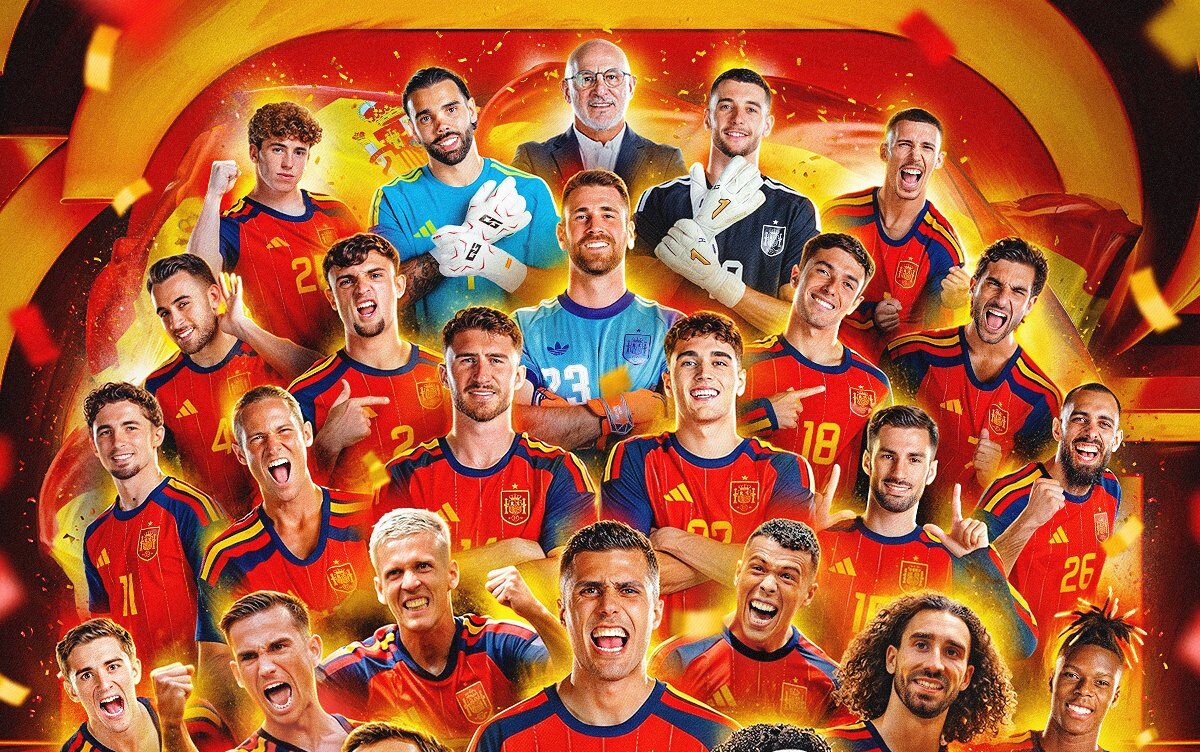
The biggest FIFA World Cup ever has come to an end. After 104 matches in three countries, Spain has emerged as the champion of world football.
La Roja claimed victory over defending champions Argentina with a 1-0 win after extra time in an exciting final at the New York New Jersey Stadium. This marked the end of a month full of memorable moments, surprising upsets, new stars, and tactical changes.
Spain’s victory was not just about winning. The tournament changed stories, set new records, and showed us where football is headed.
Here are six important takeaways from the FIFA World Cup 2026.
Football Was the Real Winner
The 2026 World Cup sparked a lot of discussions.
Argentina’s path to the final was filled with controversial moments. Fans and critics debated officiating decisions and VAR calls during their knockout victories.
But in the end, football itself provided a fitting conclusion.
Spain did not depend on luck or controversy. They played with smart tactics, technical skill, and controlled every part of the game from the start to the finish. Even against Messi and Argentina, Spain took charge of possession, territory, tempo, and chances. Ferran Torres scored the winning goal in extra time. The stats showed the truth: Argentina had zero shots on target in over 120 minutes of play.
Spain won purely through their football skill. Argentina was outplayed and outsmarted. When the match ended, the best team lifted the trophy. This was perhaps the biggest win for neutral fans.

Spain, Champions (Credit: FIFA World Cup on X)
Spain Changed the Meaning of Dominance
For many years, Spain was known for their possession football.
This time, they took it to another level. Their success was not just about keeping the ball for stats. Every pass had a purpose. Each movement created an advantage. Their pressing style suffocated opponents, stopping attacks before they could start.
Spain controlled games whether they had the ball or not. When the other team had possession, they pressed hard. Once they got the ball back, they played with great calmness.
This led to one of the most dominant World Cup runs ever. They only conceded one goal throughout the tournament, making them the first World Cup champions to do this.
Their defensive setup, discipline, and teamwork resulted in one of the best defensive performances in World Cup history. As football changes, Spain showed that the future is about total control, not just possession.
Rodri Became One of Football’s Greatest Midfielders
Every great World Cup has a standout player.
In 2026, that player was Rodri. The Spain captain received the Golden Ball for leading one of the best midfield performances ever on the big stage.
Unlike other players like Bruno Fernandes and Vitinha, who came in with high hopes but did not deliver, Rodri’s impact went beyond just goals and assists.
He controlled the rhythm, anticipated risks, protected Spain’s defense, and started attacks with great accuracy.
His stats show his dominance; he completed an incredible 747 successful passes out of 799 attempted. This is the highest ever for a player in a single World Cup. He even broke his own record from the 2022 tournament.
No other midfielder in this competition combined intelligence, positioning, and leadership like Rodri. His performance showed that the most influential players are not always the ones scoring goals. Sometimes, greatness is about making the team work well together.

Rodri (Credit: FIFA World Cup on X)
Cape Verde Stunned Everyone with Their Tactics
If Spain represented the top teams, Cape Verde showed the increasing competition.
Making their first World Cup appearance, this small island nation became one of the biggest success stories.
Few thought they would get past a tough group with Spain, Uruguay, and Saudi Arabia. Instead, Cape Verde shocked everyone.
They held Spain to a goalless draw, drew 2-2 with Uruguay, and beat Saudi Arabia. These solid performances got them into the knockout rounds, making them the smallest nation to reach that stage.
Their story almost got even better. They pushed Argentina into extra time before losing 3-2 in one of the tournament’s most thrilling matches.
Their strong defense, tactical flexibility, and fearless spirit showed that organization can help smaller teams compete with giants. Coaches in Africa and beyond can learn from Cape Verde's approach.
Norway Captured Hearts with Their Viking Spirit
Every World Cup has an unexpected hero, and Norway took that spot in North America.
They have been seen as a sleeping giant in Europe, but they finally showed their potential.
Erling Haaland led the way with seven goals, and their brave attacking style won fans worldwide.
The turning point came in the Round of 16. Against five-time champions Brazil, Norway pulled off a major upset by winning 2-1 with solid organization and sharp finishing.
Their journey ended against England in a memorable quarter-final. Despite leading for much of the game, Norway lost 2-1 after extra time thanks to Jude Bellingham’s brilliance.
Even though they did not reach the semi-finals, Norway’s fearless style and emotional celebrations made them a favorite in the tournament. Sometimes, a legacy is about inspiring others rather than just winning trophies.

Kylian Mbappe (Credit: Ballon D’Or on X)
New Records Were Set
World Cups always make history, and this one created new records.
Spain’s defensive record of just one goal allowed set a new standard for champions. Rodri made more passes than any player in World Cup history.
Unai Simón recorded seven clean sheets, another record for a goalkeeper.
Argentina, even as runners-up, had an impressive attacking performance with 19 goals, the highest for a finalist since Brazil in 1970.
Lionel Messi, now 39, continued to break records with eight goals and four assists, totaling 12 direct contributions, the second most since Gerd Müller’s legendary run in 1970. Kylian Mbappe scored the most with ten goals and four assists in this tournament.
Mbappé also became the all-time leading scorer at the World Cup with 22 goals and is the first player to win the Golden Boot twice. Michael Olise broke Pelé’s record for assists in a single tournament with seven.
The expanded 48-team tournament showed that the quality of football globally is stronger than ever. Emerging nations consistently challenged traditional powerhouses; smaller countries did not just participate but truly competed.
A World Cup that Changed Football
The 2026 FIFA World Cup will be remembered for more than Spain lifting the trophy, the halftime shows, or the red card reversal for Folarin Balogun in favor of the USA.
It showed how football has changed tactically and highlighted the gap closing between traditional giants and new nations. It celebrated teamwork over individual stardom.
Spain’s win proved that modern football values structure, intelligence, and teamwork above everything else. Rodri showed that the midfield is the heart of every great team.
Cape Verde and Norway reminded us that belief can beat reputation. Most importantly, this tournament proved why the World Cup is the greatest event in sports.
After an unforgettable month across North America, football came out richer, stronger, and more exciting than ever.
Drop your comment
No comments yet — be the first to drop the gist 👇