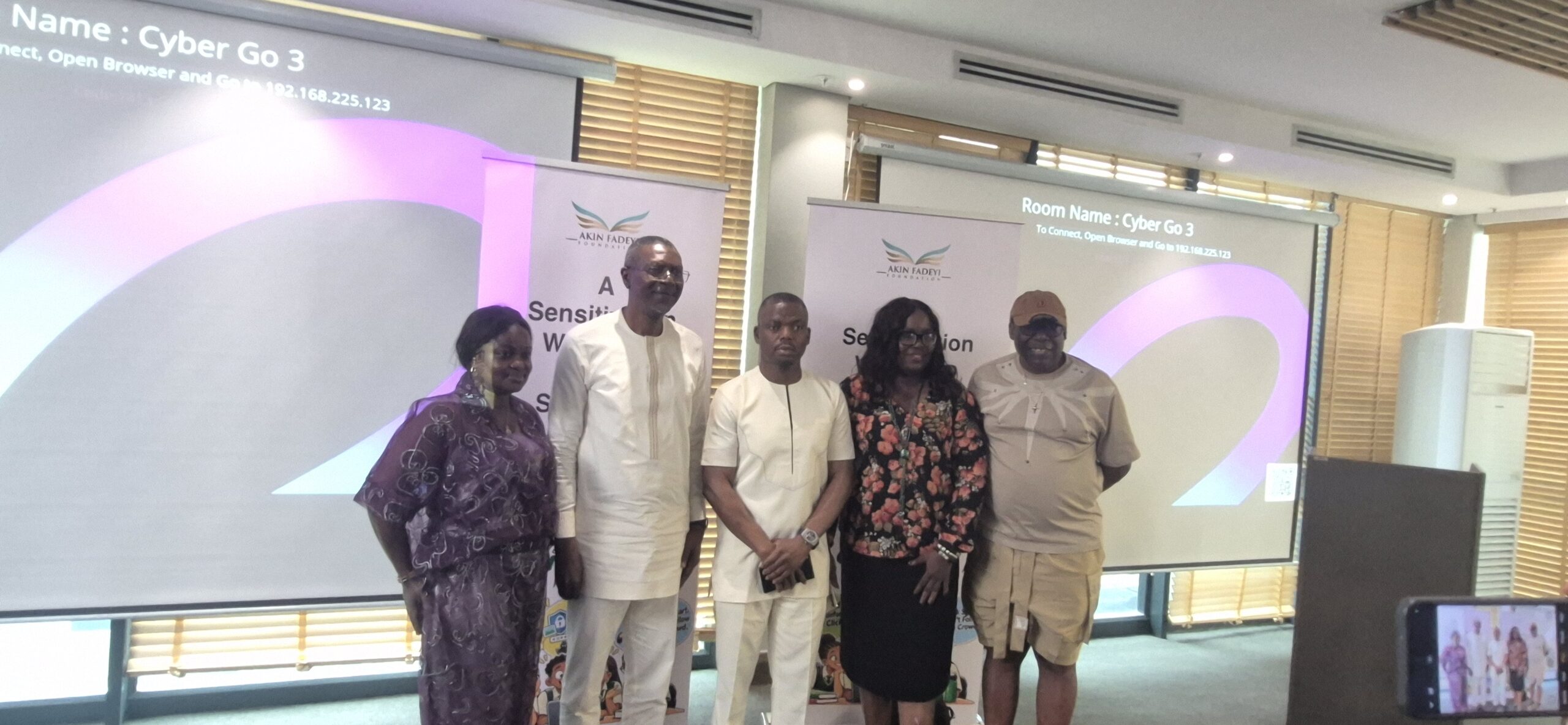
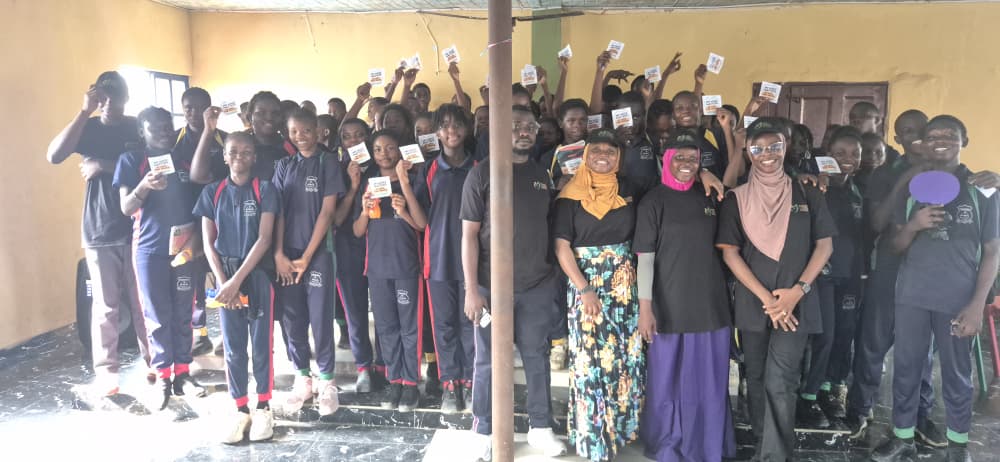
Students from 11 public schools in Lagos State have promised to be responsible digital citizens. This is part of an initiative to protect young people from cyberbullying, sexual exploitation, and other forms of digital abuse.
The pledge was made on Thursday at the OPTS-AFF Be Safe Initiative in Lagos. The Oil Producers Trade Section (OPTS) of the Lagos Chamber of Commerce and Industry (LCCI) and the Akin Fadeyi Foundation (AFF) organized the event.
The schools that took part include Community Senior High School, Alapere; Kosofe Senior College; Ojota Senior Secondary School; Immaculate Heart Comprehensive Senior High School; Comprehensive Senior High School, Alapere; and Menide Senior High School.
After some interactive discussions, the students signed a Be Safe pledge wall. They committed to the declaration: "I pledge to be a responsible digital citizen."
The initiative included sessions on digital safety, responsible online behaviour, protecting personal information, spotting online manipulation and abuse, and how to report these issues. Various advocacy dramas were also performed to strengthen the messages.
This comes at a time when there are rising worries about kids' safety online in Nigeria. A survey by the Nigerian Communications Commission (NCC) in 2025 found that 90 percent of Nigerian children faced at least one type of cyber risk.
Akin Fadeyi, founder and executive director of the Akin Fadeyi Foundation, spoke at the event. He said the project encourages young Nigerians to make wise choices when using digital devices.
Mr Fadeyi explained that the Be Safe Initiative gives young people practical knowledge to spot online risks, make smart decisions, and seek help if they experience digital abuse. He noted that increased use of digital technology has brought new dangers like cyberbullying, online harassment, sexual exploitation, and false information.
He added that young people must see that their online actions could lead to serious consequences, even legal ones. The Be Safe Initiative aims to change how young Nigerians behave online, promoting integrity and character.


Mr Fadeyi also wants to ensure young people know their legal options if they face online abuse. "When someone threatens you through a digital device, do not keep silent. You can report," he said. He urged young people facing threats like sextortion not to give in to blackmail.
Toyin Taiwo-Ojo, a child safety advocate and legal practitioner, said children are exposed to online dangers since digital devices are now part of their daily lives. Mrs Taiwo-Ojo, who is also the general secretary of the Nigerian chapter of the African Women Lawyers Association, said parents often give kids phones and other devices to keep them busy or help with schoolwork without thinking about the risks.
She advised parents to watch their children’s online activities and, if possible, monitor devices used by kids under 16 years. She also urged parents to teach their children how to spot signs of online grooming. This includes strangers asking them to keep conversations secret or wanting to meet them without their parents knowing.
"Anyone who wants them to keep a conversation secret from their parents, or who wants to meet them physically without their parents being there, should be someone they are wary of," she said.
Mrs Taiwo-Ojo also warned students against sharing unverified information or getting involved in harmful online interactions. She noted that even liking or sharing certain posts could lead to legal trouble.
She urged young people to think about whether a post is true, helpful, inspiring, necessary, and kind before sharing it. Sade Adeyemi, an associate professor of mental health education at Lagos State University of Education (LASUED), also warned that young people might come across misleading and harmful content while using the internet for learning or fun.
She said children should set digital boundaries to keep their social and emotional health intact. Ms Adeyemi encouraged students to use the principle of "THINK" before posting or sharing online, asking if it was true, helpful, inspiring, necessary, and kind.
Mr Fadeyi also urged parents to realize that their behaviour at home affects their children more than just telling them what to do. He said parents should show honesty, hard work, and responsible behaviour rather than focusing too much on money and material success.




Drop your comment
No comments yet — be the first to drop the gist 👇