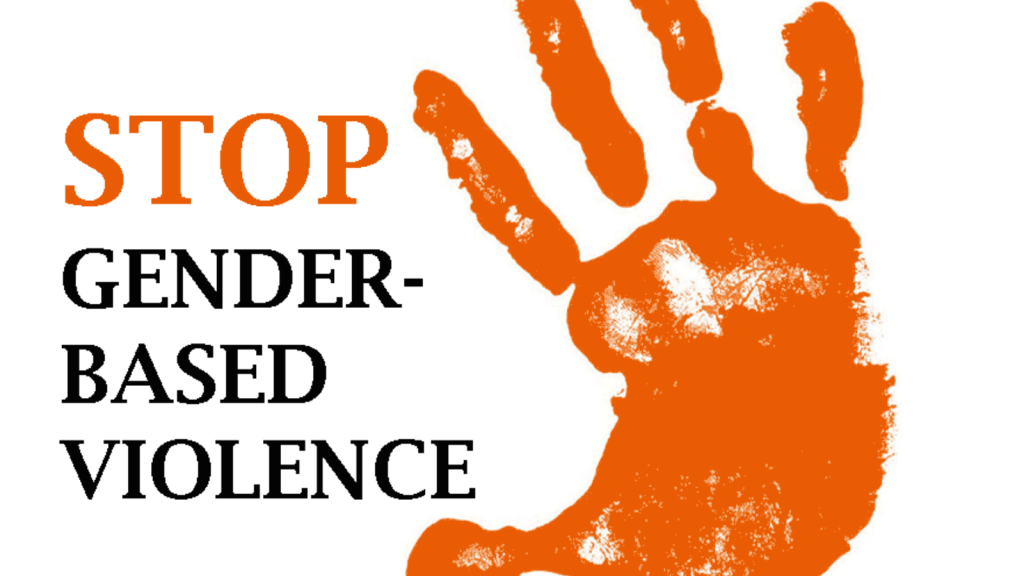
Akwa Ibom State has recorded 340 cases of gender-based violence (GBV) in 2026. This includes 129 threats to life and physical assaults, 87 cases of spousal battery, and 56 reported rapes.
The Secretary of the Akwa Ibom State Gender-Based Violence Management Committee, Emem Ette, shared these numbers. She said this shows the ongoing struggle to stop abuse, even with government efforts, public awareness campaigns, and promises to punish offenders.
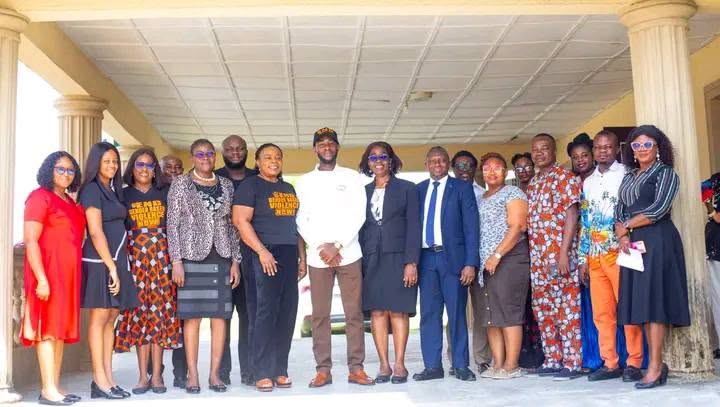
Ms Ette, who is a lawyer, gave the figures on Monday during a visit by the committee to the Nigeria Union of Journalists (NUJ) in Akwa Ibom. The visit was live-streamed on Facebook.
The breakdown reveals that threats to life and physical assault make up 37.9 percent of the cases. Spousal battery makes up 25.6 percent, while rape accounts for 16.5 percent.
Other reported incidents include 25 cases of child abandonment (7.4 percent), 24 cases of emotional abuse (7.1 percent), 12 cases of forceful ejection from homes (3.5 percent), and seven cases of harmful widowhood practices (2.1 percent).
A continuing issue of abuse
The latest numbers come after earlier reports of widespread abuse in the state. In November 2023, PREMIUM TIMES noted that Akwa Ibom had 321 GBV cases from January to 24 November that year. This included 120 rapes and 170 cases of spousal battery.
The 2026 figure of 340 shows a 5.9 percent rise from the 321 cases reported in 2023. The figures also suggest that rape is still a big concern, even though the 2026 report shows 56 cases, down from 120 in 2023.
In February 2025, Helen Obareki, who leads the Office of the First Lady, warned that the government would go after those responsible for GBV. Ms Ette mentioned that the committee had dealt with over 1,410 GBV cases, mainly involving intimate partner abuse.
These numbers indicate that the issue goes beyond single events. It shows the need for ongoing prevention, better reporting systems, and serious prosecution of offenders.
Sextortion becomes a new worry
Ms Ette pointed out that technology-facilitated abuse, especially sextortion, is a growing problem. She said many victims, mostly aged 13 to 19, are lured into sexual acts. Their intimate photos and videos are then used to blackmail them for money.
She said some victims do not report these abuses due to stigma, fear of being blamed, worries about retaliation, and financial dependence on their abusers. She also highlighted domestic violence, sexual harassment, child marriage, and harmful traditional practices as forms of GBV needing action.
According to her, abuse thrives when society accepts violence, silences survivors, and protects offenders. She shared a story about a man who reportedly killed his wife. Afterward, their children pleaded for their father’s release because their mother was no longer alive.

“When a crime is committed, it is not just against the person but against society and the state,” she said. She urged the media to challenge influential individuals trying to secure the release of alleged offenders.
“NUJ should help us spread the message that Akwa Ibom has zero tolerance for those who want to beg for offenders.”
Support services and prevention measures
The committee secretary announced that the state has set up a 66-bed GBV shelter for survivors. Women and children affected by abuse can stay there for up to three months.
She also mentioned sexual assault referral services at General Hospital, Ikot Ekpene, Heartland Alliance Hospital, Uyo, and Agape Centre, Eket, covering all three senatorial districts in the state.
The committee has trained over 350 people in its skills acquisition program, with 15 participants finishing training the week before. It has also formed a coalition of over 560 members, including more than 80 NGOs, to support its work.
For the 2026 16 Days of Activism Against GBV, from 25 November to 10 December, 46 NGOs have proposed activities across the state. They plan a three-day awareness fair at the Idongesit Nkanga Secretariat in Uyo. Survivors and skills training participants will display their products alongside other vendors to protect their identities and avoid stigma.
Looking beyond campaigns and arrests
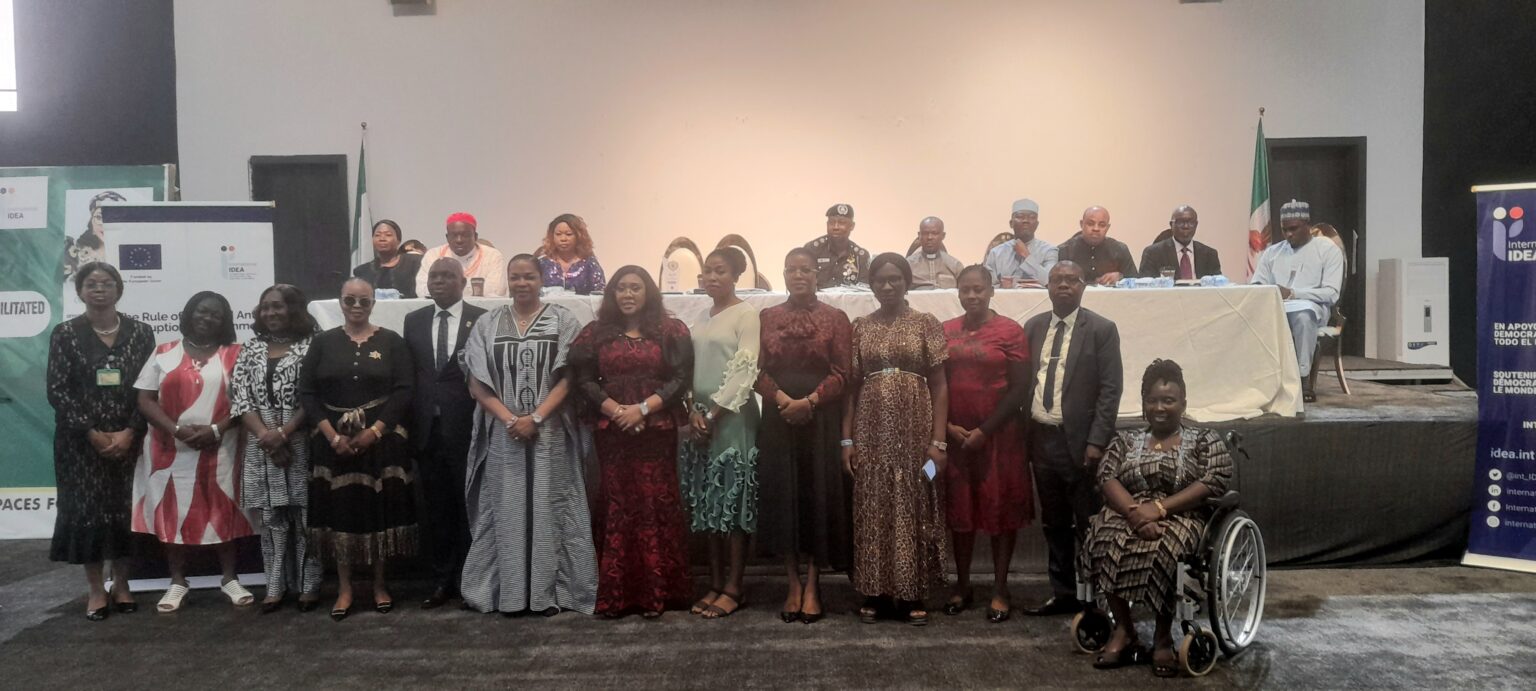
The committee's meeting with the NUJ aimed to gain media support for the global campaign. Ms Ette explained that the committee includes representatives from nine ministries, like health, education, and women affairs, plus the police, NGOs, and community leaders.
She emphasized that media involvement is vital because what people read and see influences their views on abuse. The NUJ chairman in Akwa Ibom, Nsibiet John, promised the union’s support but called for a wider approach. He said it should address the attitudes of both men and women.
He urged the committee to include preventive education for boys, focusing on emotional intelligence and self-control. He also condemned relationships between older men and underage girls, saying cultural excuses should not justify abuse.
Mr John stated that rejection by women should never justify violence or sexual assault. “Prevention is better than arresting offenders. I don’t know how many people you can send to jail before they realize this battle should involve everyone,” he said.
The 340 reported cases raise a tough question for the state. Are its current efforts enough to prevent abuse, or do they only react after victims have suffered? As the 16 Days of Activism approaches, the state’s response will depend on public awareness, survivors’ access to safety, willingness to report, and consistent prosecution of alleged offenders.

Drop your comment
No comments yet — be the first to drop the gist 👇