I used to be someone who followed the news every day. I woke up to it and went to sleep with it. For hours each day, I watched everything the cable networks offered: breaking news, exclusive interviews, heated debates, political discussions, and a long list of commentators. I thought I was becoming better informed. Maybe I was, a little.
I won't say the past was a perfect time when everyone agreed and lived happily. It wasn't. But compared to today’s divided and always tense environment, it sometimes looks peaceful.
There was a time when America seemed to reflect Ronald Reagan’s idea of a “shining city upon a hill.” Despite its problems, it tried to be a symbol of hope, freedom, and chances for all. Many news outlets also seemed to care more about their duty to the public. Now, that view is much more complicated.
To many people, Uncle Sam looks less like a caring leader in the world and more like a powerful nation chasing its own interests, starting wars that often hurt innocent people, including children.
Last year, I made a big choice: I canceled our cable TV. Our kids are grown and don’t watch Disney Channel or Nickelodeon anymore. But that was just a surface reason. The real reason was that I was tired of paying for what felt like a harmful mental diet. It left me worried, cynical, and worn out.
When I saw that watching the news was messing with my peace of mind, I knew it was time to stop. We often treat “the news” like it’s a public service. But it’s not. News is a business, and every business has its goals.
Larry Ellison is not putting over $40 billion in personal backing to help his son David buy Warner Bros just for fun. Elon Musk didn't spend billions buying Twitter as a charitable act. Both men get a key rule of power: whoever controls the story has great influence.
This is why media companies fight so hard for viewers. Ratings bring in advertising money, and that money keeps them going. Much of today’s news is not just about sharing information. It is about getting your attention. They want your eyes. They want your feelings. They want your time.
The longer a network keeps you watching, the more ads they can sell. Truth matters, accuracy matters, and journalism matters. But in a money-driven world, truth is not always the main goal. Attention is, and it is easiest to grab through emotions.
Fear gets more viewers than hope, so cable news often leans into fear. Anger gets more clicks than calm. Conflict brings in more viewers than agreement. Panic makes more money than insight. This is not a grand conspiracy. It is just how things work.
Imagine running a restaurant where customers pay based on how long they stay. You would quickly find that food meant to be irresistible would make more money than food just meant to fill them up.
The news industry has learned a similar lesson.
Every morning, editors and producers compete for the same limited thing: our attention. Smart analytics show them which headlines keep people watching, clicking, sharing, and arguing. Scary or upsetting stories usually do better than those that teach us.
Anger spreads faster than subtlety.
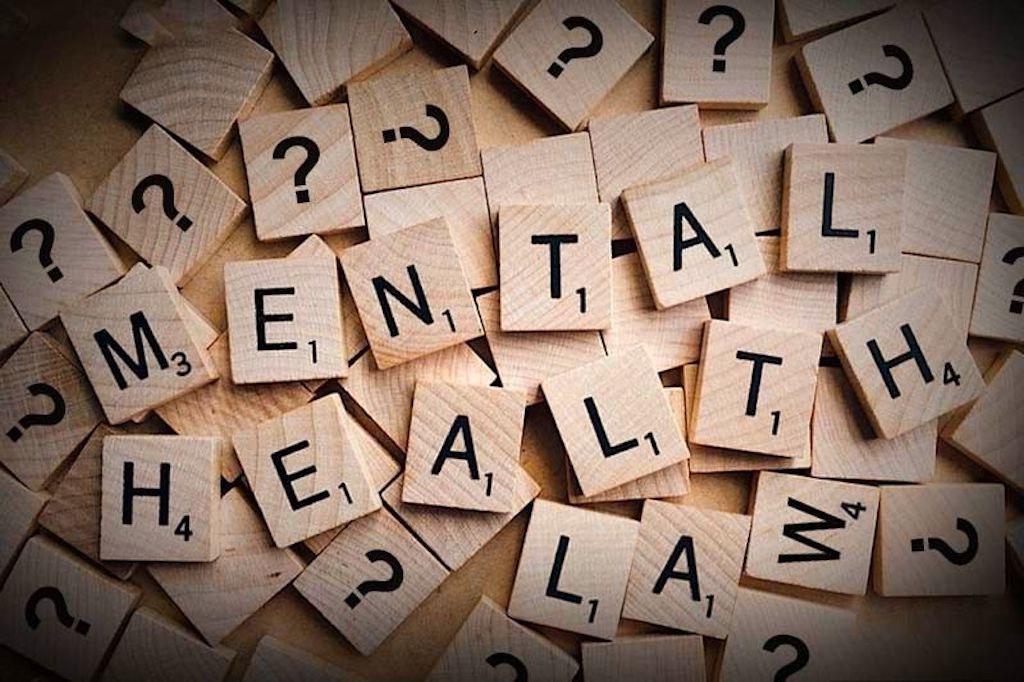


Social media has sped up this change. Platforms like Facebook, X, TikTok, and YouTube are built around engagement. Traditional media have adapted too. Stories are made to go viral. Headlines are designed to provoke. Every issue becomes “breaking news.” The result is a people more likely to react than think.
This is important because information is power. Information shapes what people think. What people think affects elections. Elections shape laws. Laws shape markets. Stories influence every step in that chain. And the cycle continues.
I am not saying that rich people control every headline from behind the scenes. The reality is more complex. Editorial choices come from a mix of company culture, money goals, audience expectations, and ownership interests. But the results can sometimes look very similar.
Some stories get nonstop coverage. Others get little attention. Some vanish completely.
What stands out is that many of the richest and most powerful don't consume news like regular people do. Executives, investors, policymakers, and serious business leaders often rely on primary documents, research reports, earnings calls, government data, special publications, and historical analyses.
They read original sources and look at trends. They seek information that helps them decide. Meanwhile, millions of ordinary folks spend hours watching pundits explain events.
An investor studying economic signs has an edge over someone who spends every evening watching political fights. An entrepreneur studying industry trends is better off than someone constantly refreshing breaking news alerts.
Since I stopped watching cable news, I have not become less informed. In many ways, I am better informed. I read more books, look at more primary sources, and weigh different views before making decisions. Most importantly, I have regained something more valuable than information. I have regained my peace of mind.
Attention is likely the most valuable resource of the 21st century. Whoever controls it has great influence over what we think about, what we fear, who we trust, and ultimately how we live. That is why we need to protect it.
The person who lets others decide what fills his mind every morning has given up some of his freedom before the day starts. Too often, regular people are pushed to consume outrage while those in power consume information. One reacts while the other decides.
We can keep renting our minds to an industry that profits from keeping us anxious, angry, and always engaged. Or we can take back our attention.
Thankfully, the choice is still ours.


Drop your comment
No comments yet — be the first to drop the gist 👇