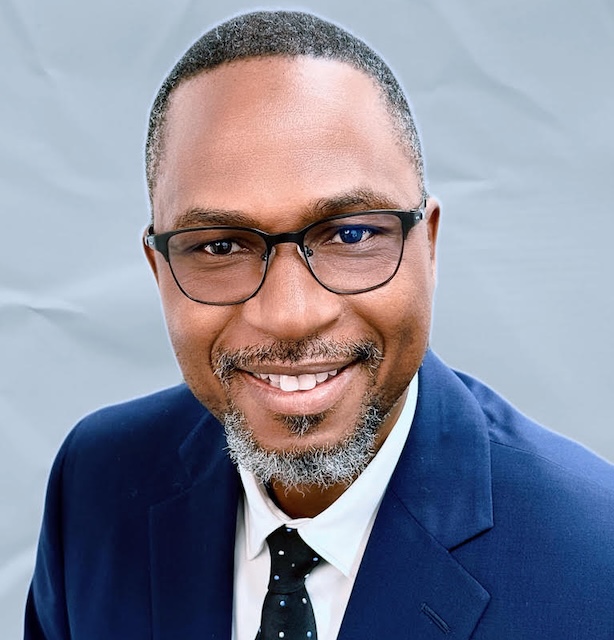
When this newspaper reported last Saturday that the Pro-chancellor of Michael and Cecilia Ibru University has called himself a professor for years without ever being awarded that title, many were shocked that the claim lasted so long. This reaction should not have surprised anyone. A false title stays valid as long as no one checks the record, and in Nigeria, we have stopped checking.
I write as someone who has spent over 20 years in universities and the security field. From both sides, the Anthony Kila story is not just an academic issue. It shows a failure in vetting that affects the nation, and it brings up a simple question: What really makes someone a professor?
Understanding the Requirements
Every legitimate system globally shares three key features. An accredited institution gives the rank. Experts outside the institution review the candidate’s research before the rank is given. The whole process leaves a paper trail that the institution will confirm if asked.
In Nigeria, the National Universities Commission sets the baseline. A candidate needs a doctorate and about three years at each of four ranks, starting from Lecturer II to Associate Professor. This totals roughly 12 years of teaching, research, and supervision. The candidate’s publications go to three external professors, with at least two giving a positive review before the promotion committee and the governing council confirm the rank.
In the United States, the path to becoming a professor has three levels: assistant, associate, and full professor. An accredited college or university hires the person, and each promotion relies on peer-reviewed publications, teaching evaluations, letters from outside experts, and service. Tenure follows a separate multi-year review. A person who does not teach anywhere cannot hold the rank.
In the United Kingdom, the levels go from lecturer to senior lecturer, reader, and professor. The final step is a competitive promotion or an appointment to a chair, judged based on research grants, publication quality, and international recognition. The title belongs to the job. When the job ends, so does the title.
In Germany, a candidate must finish a second post-doctoral qualification, called habilitation, before they can compete for a chair. In France, a national council certifies candidates before any university can appoint them.
Honorary, visiting, emeritus, and “of practice” professorships are real but limited. In every case, a named institution gives the title and can be asked to confirm it.
Look at Mr Kila against any of these systems and the outcome is the same. He named an institution that does not show up in the UK Companies House, the Corporate Affairs Commission, or anywhere online. The European agency running the Jean Monnet programme has no record of him. Nine of the 22 works on his Google Scholar page were written by other people. When asked, his university said it “has no evidence” that he is not a professor. That statement shifts the burden of proof. The burden always lies with the person claiming the title.
A Larger Issue
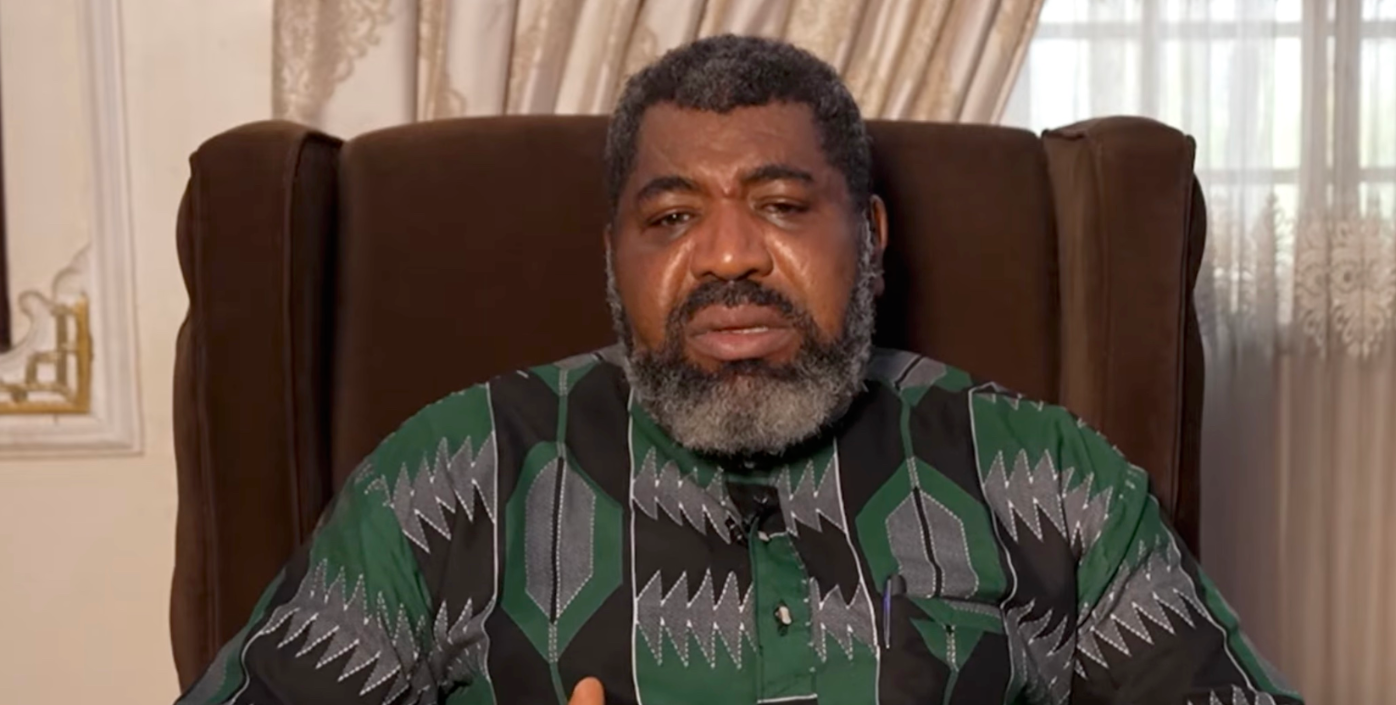
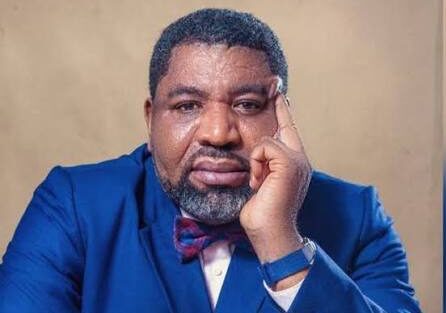
Mr Kila is the clearest case, but he is not alone.
Jiang Xueqin, the Chinese-Canadian creator of the YouTube channel “Predictive History,” became well-known after his 2024 lecture predicted Donald Trump’s return and a war with Iran. Millions call him “Professor Jiang.” He teaches history at a high school in Beijing and has never held a university position. When asked about the title, he said he started using it after his fans began calling him that.
In 2021, the Federal University of Technology, Owerri, named a sitting federal minister a professor of Cybersecurity. The local ASUU chapter said due process was followed. The national ASUU leadership rejected that conclusion, called the appointment illegal, and said the minister should not be treated as a professor. When the profession that grants a title disputes it, the title should not be used without qualification.
Social media has introduced a third category: self-appointed titles. One popular Nigerian activist has used “Dr” and “Professor Mgbeke” since 2013 based on a conferment from a body that is not a university. Her own biography states she was “appointed Professor” at a small for-profit American school two years before she earned her doctorate. No legitimate system allows that order. I could not find her in any faculty directory or locate her dissertation in any public archive. This does not prove her claims are false. It shows that no one outside her own websites has confirmed them.
The regulator has taken notice. In November 2025, the NUC stopped universities from giving honorary doctorates to serving political office holders, and its executive secretary said some recipients pay tens of millions of naira for degrees, after which they parade themselves as “Dr.” The Committee of Vice-Chancellors has noted people with doctorates and part-time teaching who just wake up one day and declare themselves professors.
Why This Matters
Access follows titles. A “professor” gets invited to advise ministries, sit on governing councils, brief officers, and appear on television as an authority. Each invitation brings influence and sometimes access to sensitive discussions. A person who invents an institution to support a title has shown a willingness to deceive, which is the first sign that security reviewers are trained to consider.
Newsrooms play a part in this issue. This newspaper documented that respected outlets introduced Mr Kila as a professor for years without checking. This same pattern allows unqualified commentators to shape public opinion during a crisis.
The solution is straightforward. Ask which institution gave the rank and when; a genuine professor will answer right away. Check that institution’s staff directory. Look for a doctoral record and peer-reviewed publications under the person’s own name. Treat honorary and visiting titles as separate categories. If the national academic union or the regulator disputes the title, take note.
A real professorship comes from an institution, a date, and a body of work that outside experts have reviewed. Anything less is just a claim, not a credential. The Kila case shows how long a claim can last when no one checks the record. The question for every editor, authority, and governing council in the country is simple: why did no one ask?
Drop your comment
No comments yet — be the first to drop the gist 👇