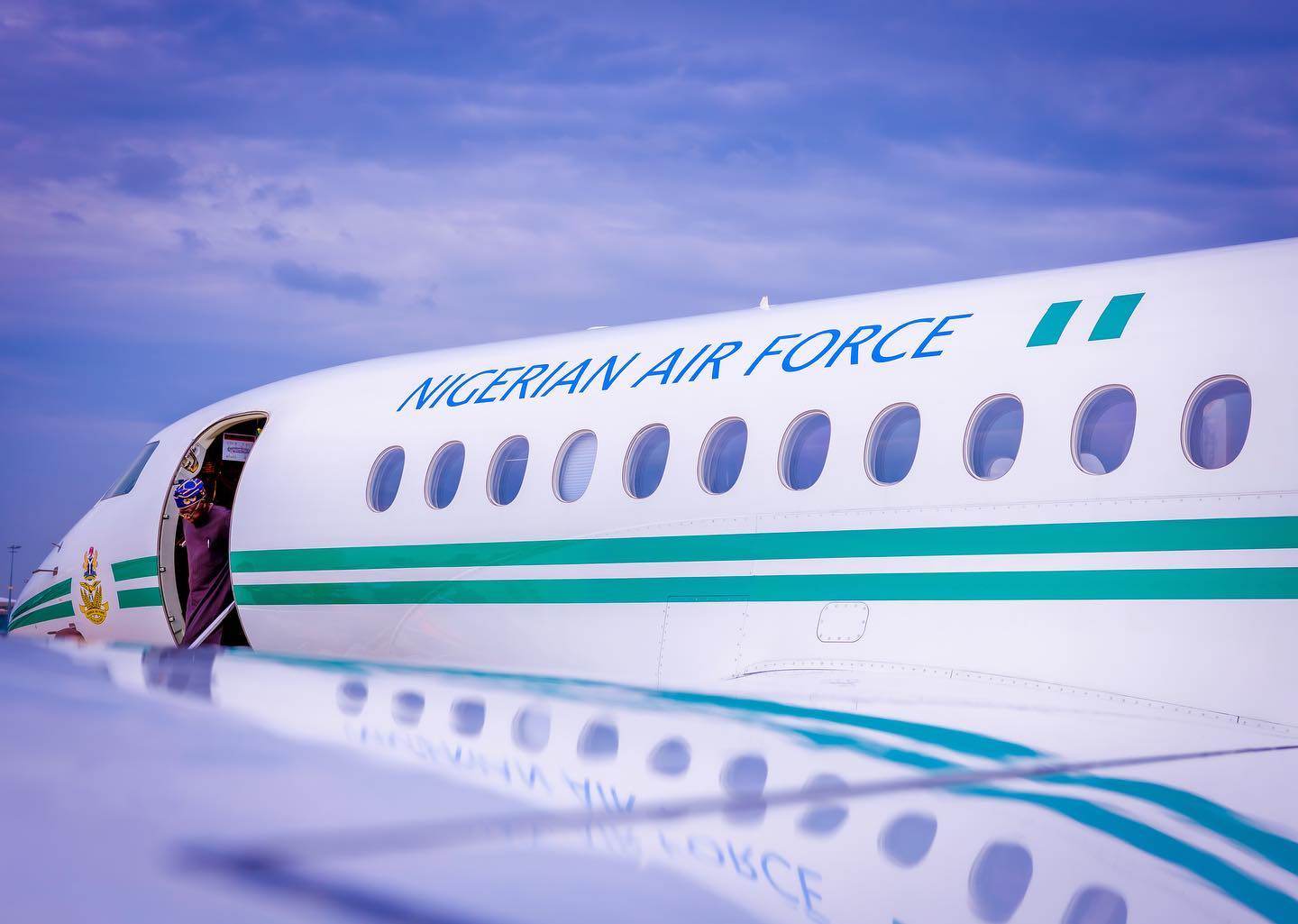
Last week, President Bola Ahmed Tinubu returned to Nigeria after a 30-day leave in Europe. This leave raised eyebrows as many saw it as a violation of the 1999 Constitution. The concept of a “working leave” is questionable, and not following Sections 145 (1) and (2) is seen as a serious issue. This situation reminds many of past controversies during the Umar Yar’Adua and Buhari years. The bigger issue is that Tinubu came back without showing any regret or willingness to learn from his absence.
When he landed at Murtala Muhammad International Airport last Tuesday, a large group of supporters greeted him. In a moment of enthusiasm, he said whatever people said while he was away was just gossip, which is common in politics. He claimed he was back “ready to kick, ready to work,” and assured everyone “nothing was wrong.” This might have been a reference to rumors about his health, but he was also brushing off worries about his time away and his absence from the United Nations General Assembly. He seemed to say, “e lo fo’kan bale” (don’t worry, everything is under control). Since then, it feels like Nigerians have set aside their concerns until he travels again, only to resume quoting the Constitution that often gets misused.
A day after returning to his Ikoyi home, Tinubu visited the Wole Soyinka Centre for Arts and Culture to watch a documentary about the late Chief MKO Abiola. The film, made by Ose Oyamendan, is a tribute to remembering history. Tinubu’s presence linked the past and present, showing the connection between Abiola’s struggle and his own political journey. MKO Abiola, another Yoruba leader, faced obstacles in his quest for the presidency, just like Chief Obafemi Awolowo before him. Tinubu is now fulfilling that dream of leadership. Abiola promoted a message of hope, while Tinubu talks about Renewed Hope and Prosperity. His connection to Abiola’s legacy as he starts his campaign for a second term is significant.
On Thursday, 1 October, at 7 a.m., Tinubu addressed Nigerians to mark the country’s 66th Independence Anniversary. This was a routine task for him. He delivered a well-crafted speech that acknowledged the country’s challenges without making grand promises. The President recognized the spirit of the people who have endured military rule, economic troubles, insecurity, and political unrest. He thanked farmers, traders, teachers, and security personnel for their resilience.
Tinubu talked about the tough situation he faced when he took office in 2023, describing Nigeria as a sick patient suffering from economic issues. He stated, “When this administration assumed office, we resolved to do things differently. We chose to excise the cancer… Our reforms did not create the weaknesses in our economy. They confronted them.” He listed his administration's successes over three and a half years, claiming they are not just empty promises but real achievements that have put Nigeria at a “turning point.” He pledged to guide Nigeria from reforms to an “age of prosperity.” He added, “We have passed through our own Red Sea… The Promised Land before us is a Nigeria of abundance and opportunity.”
The President spoke broadly without specifics. He reaffirmed his commitment to Nigeria without addressing the pressing issue of insecurity. He mentioned the rising cost of living and the need for prosperity. His speech did not touch on the upcoming 2027 general elections, which will be overseen by his administration. The speech did bring some hope but lacked substance. Those expecting more details were left disappointed. Many people recognized his acknowledgment of the Nigerian spirit, a sentiment echoed by his wife, First Lady Chief Oluremi Tinubu, and Chief Justice Kudirat Kekere-Ekun, who praised the strength of Nigerians. Other leaders, including state Governors, talked about unity, love, and responsible citizenship, which resonated with many Nigerians at home and abroad.
At home, many wore green and white, and there were celebrations. Events included a boxing match where Carter Efe knocked out Speed “Akpi” Darlington and Phyna defeated Nkechi Blessing. In the UK, cultural celebrations took place, and in New York, the Nigerian community held a parade attended by the Mayor of New York City. Across Canada and Asia, Nigerians celebrated, showing their ability to find hope amidst challenges.
But politics remains a big issue in Nigeria. Everything becomes political. The country has great potential, but many politicians focus on self-interest rather than the nation's well-being. While Nigerians celebrated, opposition leaders criticized Tinubu’s reforms as ineffective. Atiku Abubakar, the presidential candidate of the African Democratic Congress (ADC), asked, “Bola, where is this prosperity?” He repeatedly referred to the President by his first name to show his disdain, which many saw as unnecessary. He condemned the removal of petrol subsidies.
The leadership of the Allied Peoples Movement (APM) called Tinubu’s speech a “rhetorical exercise, bereft of solutions.” Ini Ememobong, spokesperson for the Tanimu Turaki-led branch of the People’s Democratic Party (PDP), likened the Tinubu administration to a Pharaoh, with Nigerians suffering in the “Red Sea of economic pain.” Atiku stated, “Bola Tinubu calls it prosperity but Nigerians can hardly afford to live.” This sentiment was echoed by other opposition figures, including Peter Obi, who highlighted the ongoing issues of poverty, insecurity, and unemployment. The Nigeria Labour Congress (NLC), led by Comrade Joe Ajaero, also expressed that Tinubu’s promised “age of prosperity” has not reached workers. They demanded a new national minimum wage, a reduction in petrol prices, and improved living conditions for workers.
On Friday, 2 October, public sector workers began a three-day nationwide warning strike. They want fuel prices to drop to N500 per litre and adjustments in salaries and allowances due to rising living costs and inflation. While Tinubu was away, the problems in Nigeria did not go away. He returns to face the same challenges he left behind. A President going on leave does not solve a country’s issues. Tinubu claims he is ready to work, but he has significant concerns waiting for him.
Since his return, the London-based The Economist stated that despite the hardship in Nigeria, Tinubu may still win the 2027 election due to the advantages of incumbency. The ADC dismissed the report, saying “a forecast is not a verdict” and criticized its lack of scientific polling. Tinubu has faced familiar issues since returning. About 20 NYSC candidates have been kidnapped in Abia and Akwa Ibom states. A military aircraft also crashed near Igbokoda, Ondo State, killing all 32 people on board. Speculations about the President's health continue, with the opposition closely monitoring him for any weaknesses.
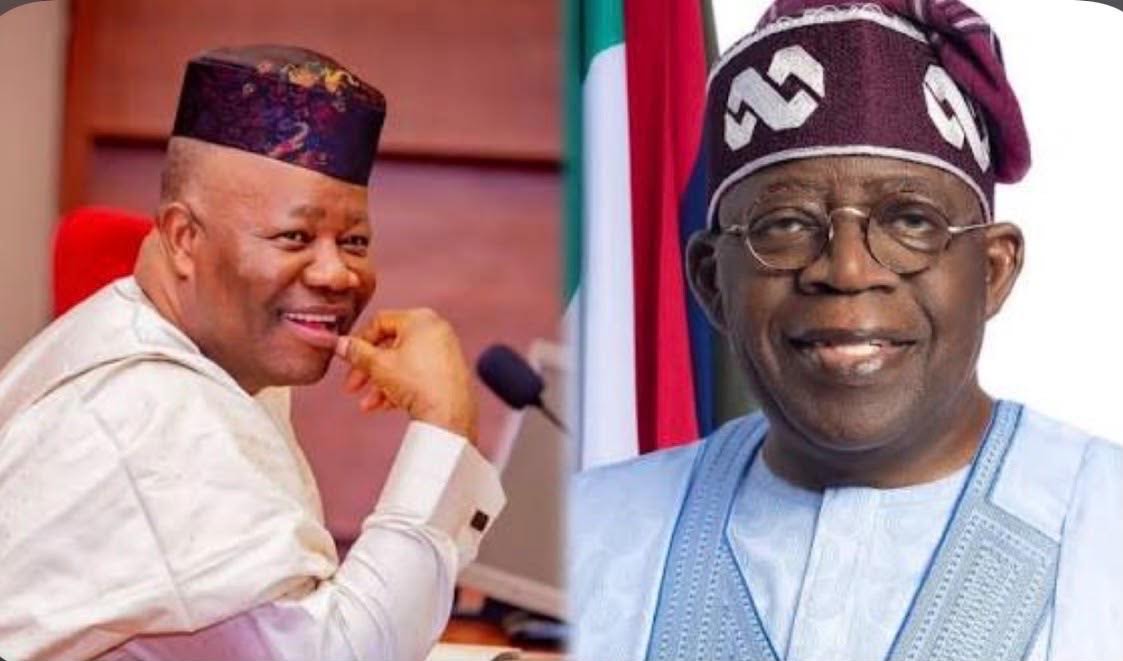
Yesterday, he returned to Abuja after spending six days in Lagos and five weeks away. As he settles back into his office, he must organize his party, the APC, and restore order in the political landscape. The Senate President has assured him that the National Assembly will continue to be “worthy partners” of the Federal Executive. Senate President Godswill Akpabio and his colleagues might joke about the recent constitutional violation, but the public will remember it. In Edo State, the APC Chairman, Jarret Tenebe, was caught on video threatening violence against those who oppose the party. He warned political leaders like Atiku and Peter Obi not to campaign in Edo State without permission. His threats must be addressed.
In parts of the country, security agencies are reportedly harassing people wearing “Tinubu Must Go” shirts. No one should be arrested for opposing the President. Democracy is about choice and freedom. The President must publicly denounce violence. Festus Keyamo, the Minister of Aviation, acknowledged that opposition members have also acted aggressively against the ruling APC party. It's unfortunate that politicians are not respecting the Peace Accord they signed. Tinubu's first task is to promote peace. His ambitions and those of others are not worth the threat of violence during the upcoming elections. Nigeria must not face chaos because of the 2027 elections. Politicians need to remember that after the elections, there will still be a country to lead.
Drop your comment
No comments yet — be the first to drop the gist 👇