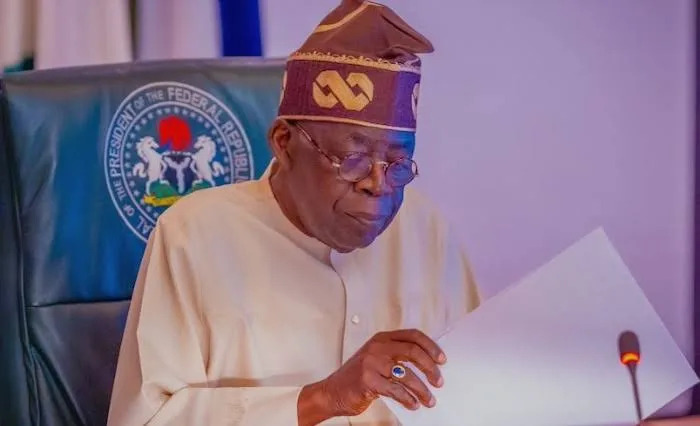
In an interview with Damilola Aina, Kemi Asekun-Shittu, a member of the All Progressives Congress Presidential Campaign Council, shared thoughts on the party's main challenge for the 2027 elections. She believes they need to help Nigerians understand President Bola Tinubu’s economic reforms and their long-term advantages.
Asekun-Shittu said, "I would say that it’s not as difficult as many may envision. For most Nigerians, it’s about making them understand better what the government is doing and what it plans to do. We have never said it has been easy. Acknowledging that things are tough helps us connect with the people."
She also mentioned that the government has asked Nigerians to cut back on spending, but some feel the government should also make sacrifices.
"I want to address the issue of the APC Youth Leader honestly. If I ignore it, I would disrespect the public. The seven Prado jeeps given to the youth league were for mobilization. They were a donation and not bought with public funds. However, creating a video to show them off wasn’t a good idea. Optics matter in public communication. What you say must match what you do. Otherwise, it looks like you’re taking the public for fools, which is not the image the All Progressives Congress wants."
Asekun-Shittu further clarified that she has not seen any minister with a convoy larger than what President Tinubu proposed. She added, "In a democracy, we all have a role to play. The press can help by reporting when presidential directives are ignored. But I haven’t seen any minister with a convoy larger than what has been proposed."
She explained that sometimes a minister may not have more than two official vehicles, but they might have supporters who travel with them. "Most of the convoys people see might not just belong to the public servant. Some are simply followers who wish to be associated with them."
On the economic situation, Asekun-Shittu noted, "If you ask people, some say they are better off than in 2023, while others say they are worse off. I don't have specific numbers. What I know is that the World Bank has said the rising poverty rate since 2014 has stopped increasing. With Tinubu’s policies, we can expect a decline in poverty."
She highlighted some of the gains from the President’s policies. "For instance, the Nigeria First policy prioritizes local providers over foreign ones. Many Nigerians have benefited from this."
Asekun-Shittu also mentioned the digital postcode system launched by NIPOST, created by three young Nigerians. "This system was proposed over ten years ago but was never implemented. Thanks to the Nigeria First policy, it was finally adopted and is now in use."
She added, "Students who could not complete their education due to financial constraints now have access to the Nigerian Education Loan Fund. If you don’t find a job within two years after graduation, you can write to NELFUND, and you won’t have to repay your loan until you get a job."
Asekun-Shittu acknowledged the mixed feelings among Nigerians about their current situation. "Some feel worse off, while others feel better. Let’s view the situation positively. Things are tough now, but they are not without purpose. It’s like a woman in labor; it’s painful but leads to joy. If there was an easy way, Tinubu would have taken it, but there isn't."
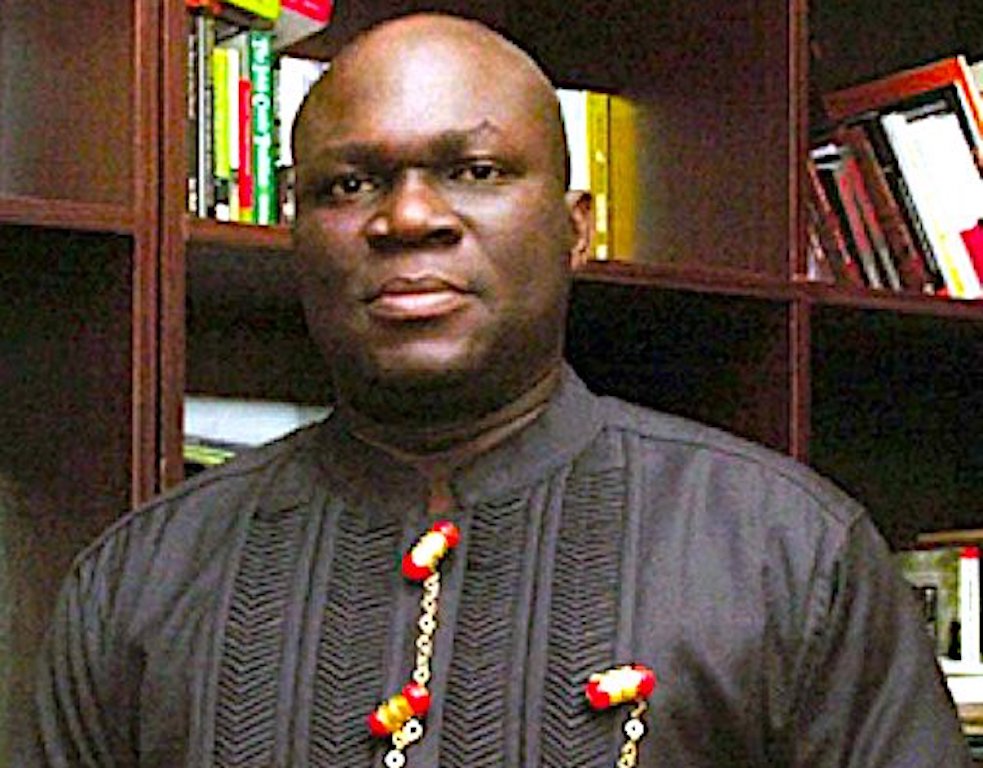
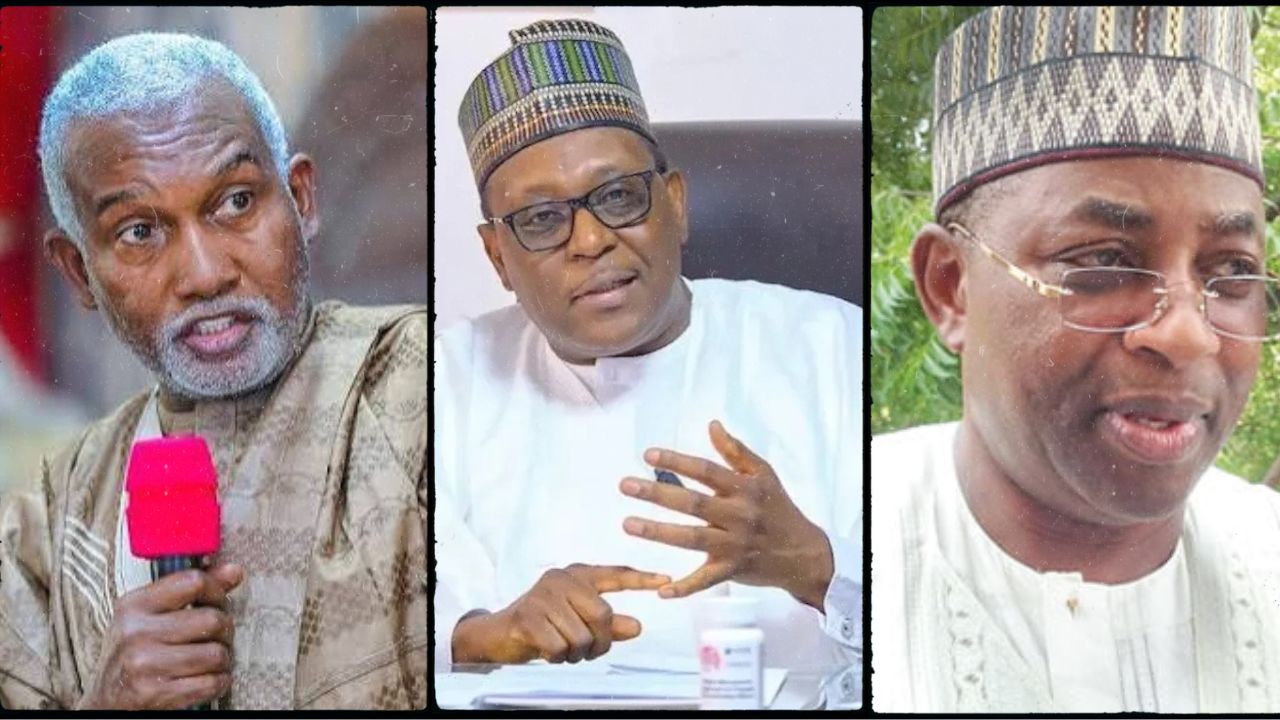
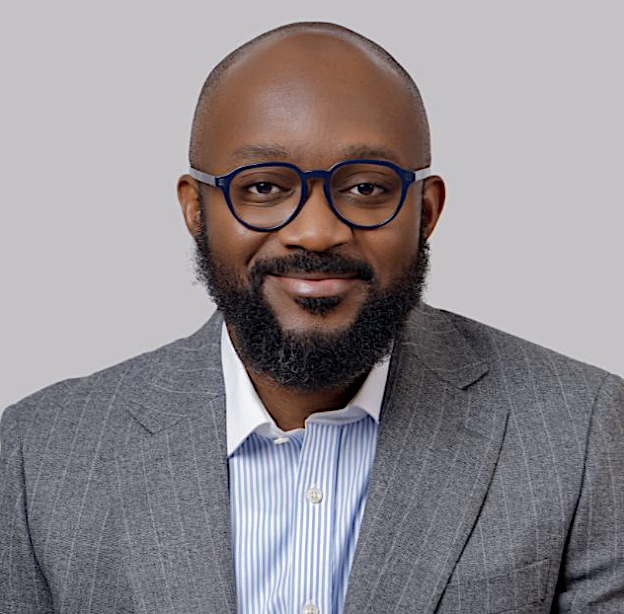
She reaffirmed that many experts had warned about the economic troubles before Tinubu took action. "HRH Sanusi Lamido Sanusi and Dr Ngozi Okonjo-Iweala both highlighted the financial issues we were facing. They noted that subsidies were harming us and the different exchange rates were a problem. Ending these issues meant everyone would feel the impact."
"President Tinubu has repeatedly said that if there was an easy way to resolve these problems, he would have found it. However, since he implemented these policies, economic analysts have praised him. They see a potential improvement."
Asekun-Shittu stressed the need for the public to better understand these challenges. She mentioned that the President has included people in his team who can effectively communicate these issues to the public.
She then brought up the Electricity Act signed in 2023, which allows more opportunities in the energy sector. "Removing electricity from the Exclusive Legislative List allows Nigerians to provide power for each other. For instance, a young man recently used solar power to help his neighbors."
She shared an example from Alhaji Aliko Dangote, who borrowed money to build his refinery. "He didn’t wait until he had all the funds. If he had, the refinery wouldn’t exist. This shows the importance of borrowing for meaningful projects."
"If we borrow wisely for infrastructure, it will benefit everyone. Imagine traveling from Sokoto to Badagry in a short time. This opens up opportunities and boosts tourism."
Asekun-Shittu compared Nigeria’s budget with those of other African countries. "Nigeria’s budget is about $30 billion, while Egypt and South Africa’s are over $100 billion. To be the giant of Africa, we need to increase our budget."
She quoted the Finance Minister, who said that borrowing is acceptable if tied to tangible projects. "The problem arises when loans are mismanaged. Our loans are structured to ensure accountability."
Asekun-Shittu concluded by emphasizing that the government's commitment to infrastructure is crucial. "With proper planning, we can improve our country’s infrastructure, benefiting all Nigerians."

Drop your comment
No comments yet — be the first to drop the gist 👇