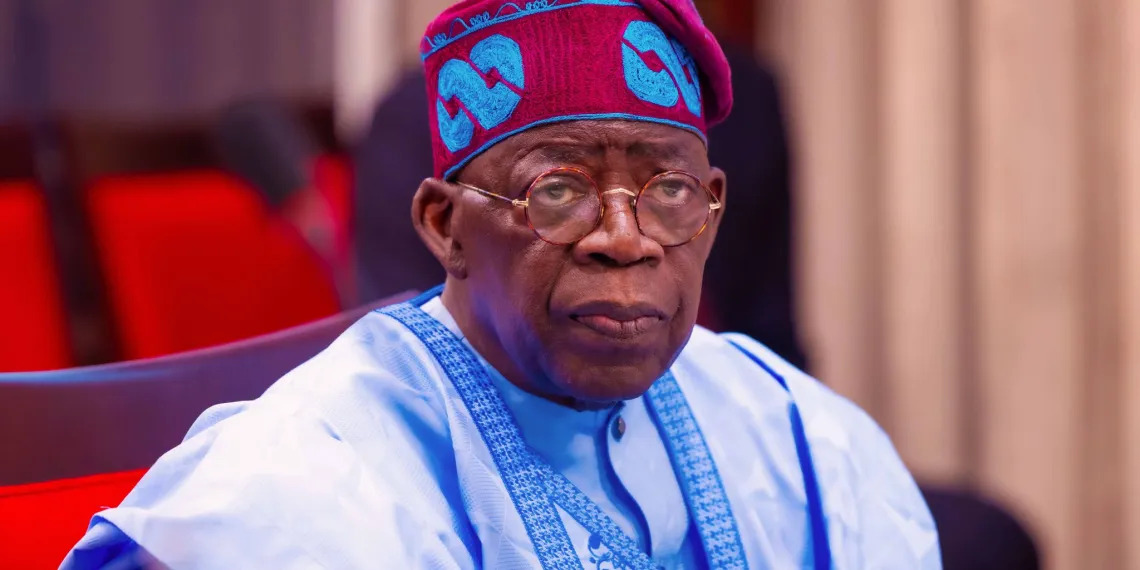
President Bola Tinubu has sent a new bill to the National Assembly. This bill aims to reform Nigeria's secondary education system.
The proposed law will set up a legal framework to change how secondary education is organized in the country.
Senate President Godswill Akpabio shared this news in a letter from the president during the plenary session on Thursday.
The letter did not give details about the specific changes the bill is proposing.
This move comes as people discuss the federal government's plan to end the separation between Junior Secondary School (JSS) and Senior Secondary School (SSS).
The Minister of Education, Tunji Alausa, announced this plan at an event in Abuja last Tuesday. He mentioned that the current setup has led to about 20 million pupils dropping out between primary and secondary school levels.
But in his message to the Senate, President Tinubu did not say if the bill will remove the difference between junior and senior secondary education.
Instead, he mentioned that the bill aims to improve the management of public senior secondary education in Nigeria.
The president noted that the Federal Executive Council (FEC) approved the amendment bill on April 30. The Federal Ministry of Justice checked and finalized it according to constitutional rules.
"The Federal Executive Council approved the amendment of the Bill at its sitting on Thursday 30 April 2026. The Federal Ministry of Justice subsequently vetted and finalized the bill in line with drafting standards and constitutional provisions.
"Because of this, the administration wants to improve educational institutions for the national interest. The National Secondary Education Commission Amendment Bill 2026 is sent for legislative action by the National Assembly," he added.
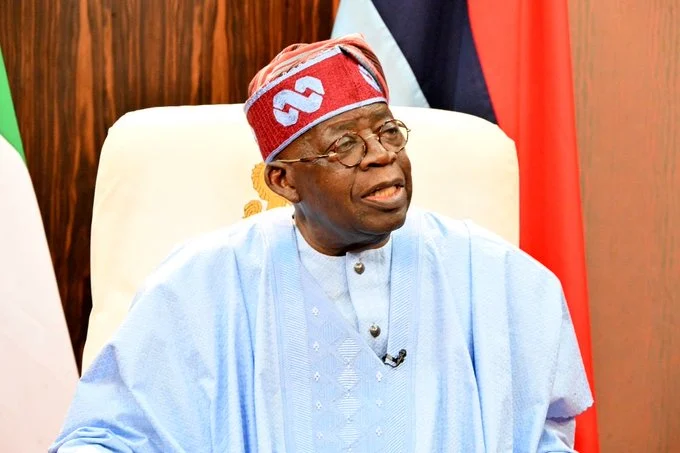
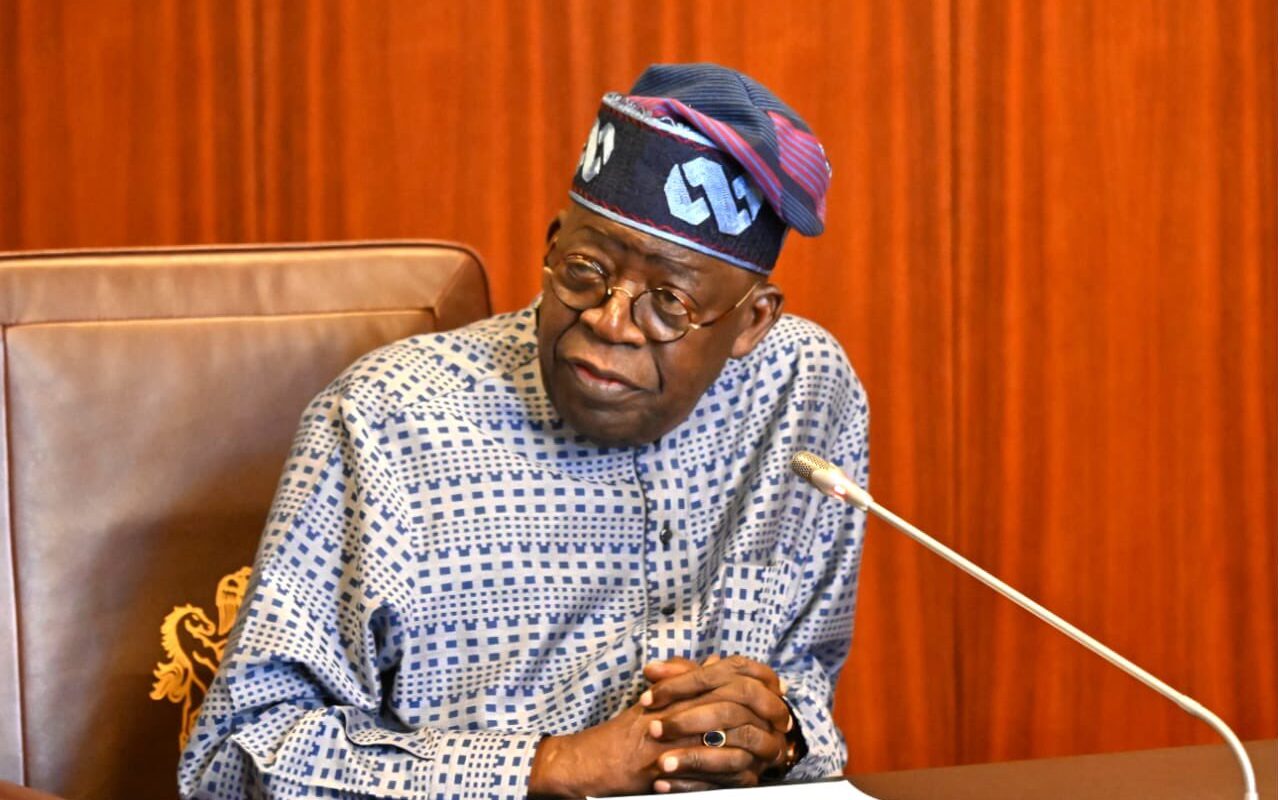
After Akpabio read the letter, he sent the bill to the Senate Committee on Rules and Business. He told the committee to report back in one week.
Nigeria’s secondary education system
Nigeria uses a 6-3-3-4 education system. This means six years of primary school, three years of Junior Secondary School (JSS), three years of Senior Secondary School (SSS), and four years of higher education.
Under this system, students must take exams at the end of primary school before moving to junior secondary school. They take another exam at the end of JSS before they can go to senior secondary school.
This setup was created to give students both academic and vocational skills. It also allows those who may not continue to higher education to learn skills for jobs.
However, many in the education sector have raised concerns about moving from primary to secondary education. They point to poor facilities, poverty, insecurity, and the costs of moving levels as reasons for students dropping out.
The discussion grew stronger last week after the education minister said the government was thinking about changing the current 6-3-3-4 system to a 12-year continuous basic education model. In this new plan, students would have six years of primary education, followed by six years of secondary education without the current split between junior and senior secondary schools.
The minister said this reform aims to lower dropout rates and make education easier. It will ensure that every child completes 12 years of schooling before moving on to higher education or vocational training.
The proposal has brought mixed reactions from education experts and stakeholders. Some welcome this change as a way to improve school retention and make it easier for students to progress. Others believe that just changing the structure won’t fix the real reasons why students drop out.
Critics say problems like low funding, bad infrastructure, not enough teachers, insecurity, and widespread poverty are the main barriers to getting a good education. They argue that without tackling these issues, changing the education structure might not really help improve learning outcomes.
Drop your comment
No comments yet — be the first to drop the gist 👇