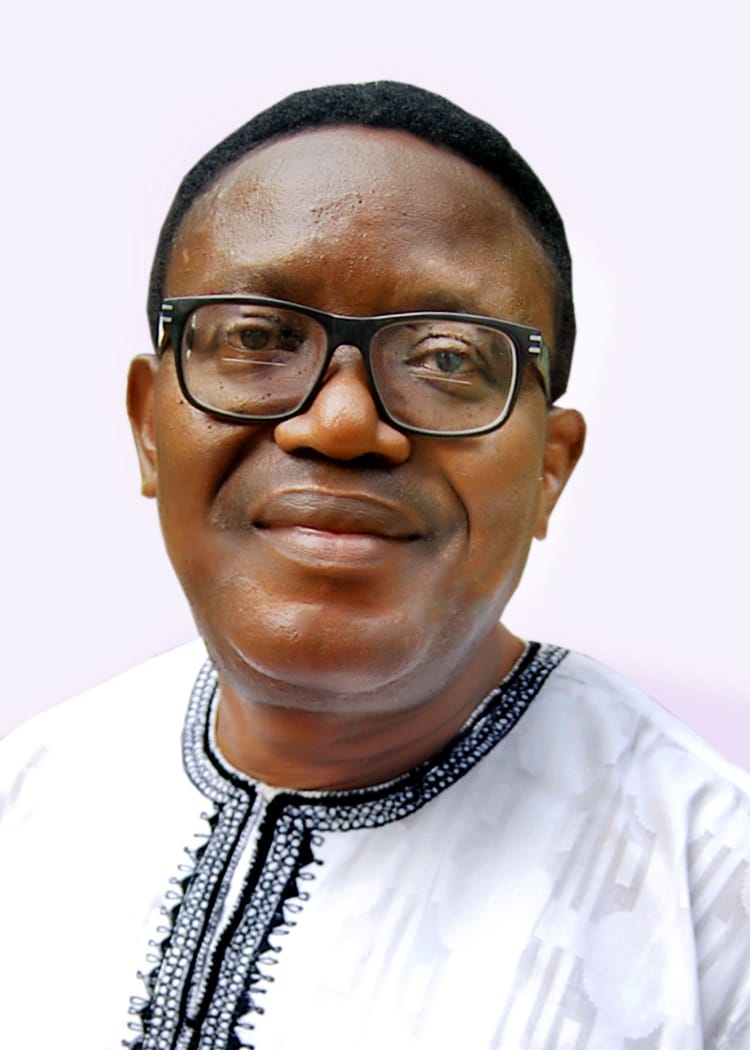
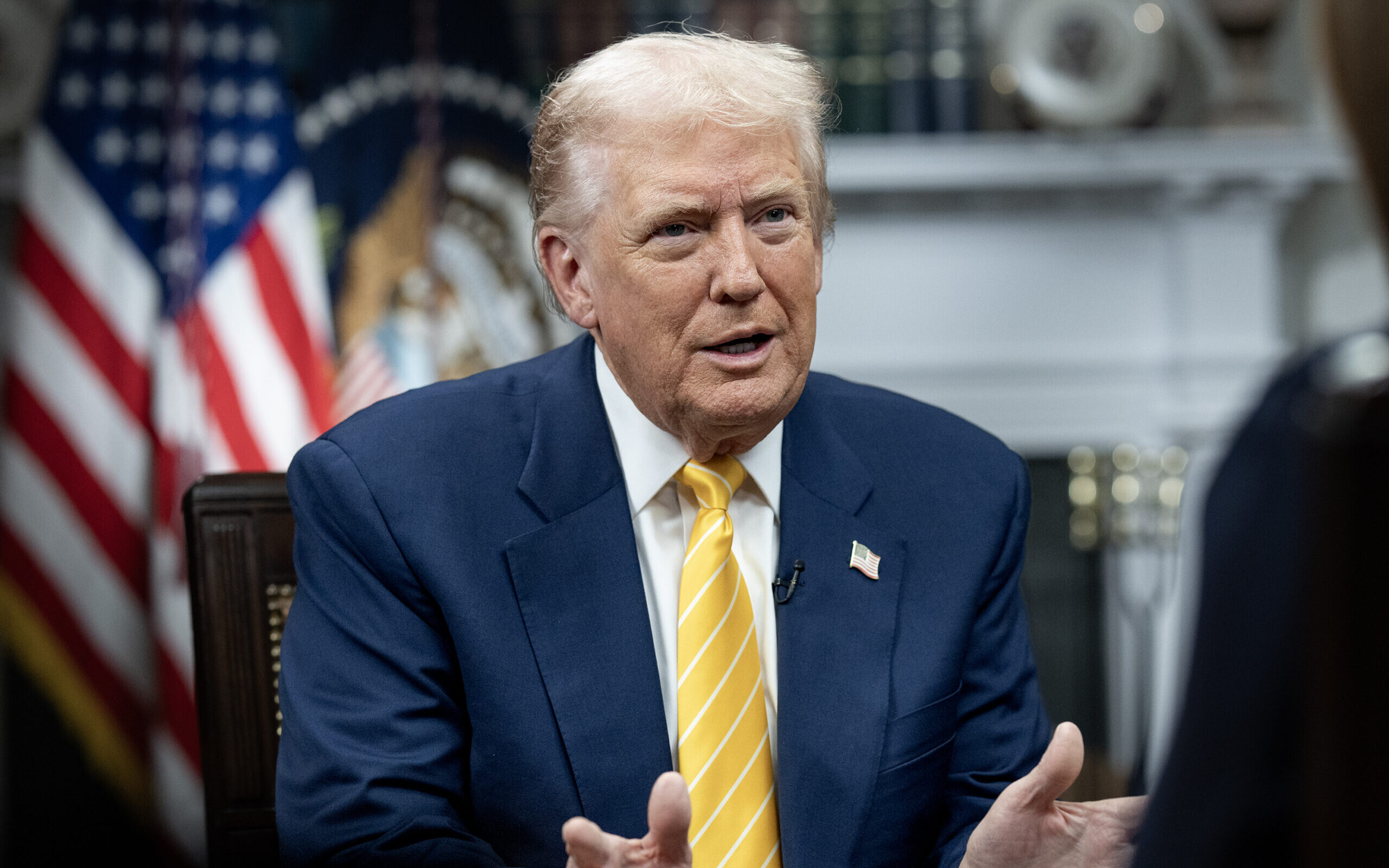
US President Donald Trump arrived in Shenzhen, Southern China, looking less confident than usual. His recent losses in the midterm elections had taken a toll on his usual bravado. He was in China for a meeting with Russian President Vladimir Putin and Chinese leader Xi Jinping on Thursday, 19 November.
Trump had taken action against Iran's leadership but could not defeat the Iranian forces, who now control the Strait of Hormuz. They only allow ships to pass if they give permission. Recently, nine ships that tried to bypass the Iranians were damaged.
These actions against Iran have raised the global cost of oil and energy. Trump had also controversially removed Venezuelan President Nicolás Maduro and his wife from their home in Caracas. His tariffs have created chaos in global markets. Overall, his actions have made the world less safe. Now, he was in China to find ways to stabilize a world he has helped create chaos in.
Trump appeared excited by the welcome he received. He expressed, "This is a great president, one of the great presidents of China, and he’s never gone to the airport to meet somebody… And not only that, the fanfare, the beauty, the pageantry, the thousands of people, the young children, the soldiers, the whole thing."
He stated that he, Putin, and Xi are in a good position to reduce the world's nuclear weapons and the risks of them being used. He noted that the power of nuclear weapons can be tempting. That’s why the US wants to stop Iran from creating them. According to 2026 estimates, the US and Russia have about 8,000 nuclear warheads, while China has 600.
Trump also criticized what he called “rogue globalist organizations.” He specifically mentioned the International Criminal Court and the ongoing Russo-Ukrainian War.
He called the trilateral meeting historic, saying, "Too often past leaders have avoided talking to nations with whom they had disagreements…We feel the opposite."
Xi Jinping, the host, kept his cool. He did not react to Japan and Taiwan's claims of Chinese and Russian aggression. Instead, he urged Trump to “do the right thing” regarding Taiwan, a territory China claims.
Xi agreed that nuclear weapons should be banned and destroyed. He warned that there can be no winner in a nuclear war. He remarked, "History tells us that when major powers live in harmony, the world is at peace. When major powers clash, the world falls into turmoil."
On global conflicts, Xi said, "China, Russia, and the United States should continue encouraging parties to conflicts to sit down and engage in talks, and resolve disputes through political and diplomatic means."
Before the trilateral meeting, the US had put new restrictions on China's access to advanced AI chips, and China promised to retaliate. Xi said, "We must firmly uphold the rules-based multilateral trading system with the World Trade Organization at its core, support free and open trade and investment…China is a country of etiquette and has a tradition of reciprocating courtesy." This was evident when leaders from countries like Australia, South Korea, and Canada were welcomed by colorful children, dancers, and soldiers. However, the Japanese Prime Minister, Sanae Takaichi, who had previously said Japan might use its military against China over Taiwan, did not receive a welcome.
Putin arrived in China with confidence. Attempts by the European Union to isolate him had not succeeded. Now he was at the center of world politics. Those who wanted to isolate him were not present. To overshadow the trilateral meeting, forty European countries gathered in Germany on the same day to remind the world that Ukrainians need military and financial support and that they want to be part of peace talks. But their meeting did not take the attention away from China.
Putin called for the three leaders to discuss energy security and other global issues. He stressed that they share interests in resolving regional conflicts, including the situation in Ukraine.
At the APEC summit before the trilateral meeting, he said, "It would be no exaggeration to say there has been a tectonic shift, and the Asia Pacific region is now the center of global economy, the main technological hub of the planet."
He hinted at Western Europe's declining influence, saying a new world order is forming. He stated that some old powers are trying to hold back those making progress. Regarding the EU sanctions since the start of the Russo-Ukrainian War, Putin said, "Sanctions, tariffs, and export limitations still have an effect, but they are no longer capable of crushing the economies of competing countries." He added that after the sanctions, Russia shifted its payments away from the euro and dollar, reducing their use from 85 percent in 2021 to 9 percent: "We were denied the use of these currencies. And frankly speaking, those who did that punished themselves, essentially."
The Shenzhen Conference resembled the Yalta Conference when the US, Soviet Union, and Britain met to plan the post-war world. They established rules for the UN and war crime tribunals. But this time, Britain is no longer a major player, and China has taken its place. The Soviet Union no longer exists, and Russia has taken over its previous role. There is no nuclear arms race now. The Yalta Conference led to the Cold War, but the Shenzhen meeting may show a lasting alliance between China and Russia, with the US likely returning to its old European allies.
Drop your comment
No comments yet — be the first to drop the gist 👇