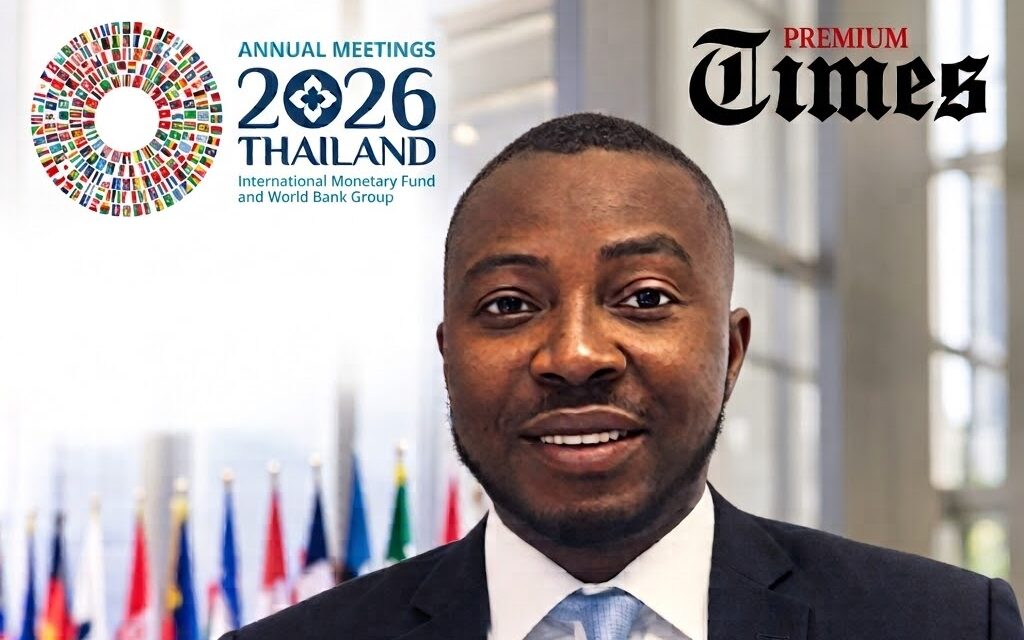
Financial experts, government officials, central bank leaders, heads of international organizations, and others are gathered this week in Bangkok, Thailand. They are attending the annual meetings of the International Monetary Fund (IMF) and World Bank from October 12 to 18.
The discussions will cover the impact of Artificial Intelligence (AI) on the global economy, the ongoing war in the Middle East and its effects on the economy, the global energy supply crisis, rising debts, and increasing interest rates that threaten global economic growth.
IMF Managing Director Kristalina Georgieva noted that the Queen Sirikit National Convention Centre will host 18,000 registered attendees. This is 4,000 more than the last off-site meetings held in Morocco in October 2023.
The IMF has not changed its forecast for 3% global growth in 2026. The organization warns that some countries may face downgrades due to war and reduced energy exports.
The meetings will also focus on rising public debt, which has slowed growth and worsened inflation. Public debt is at its highest since World War Two and is expected to exceed 100% of GDP before 2030, according to the IMF.
Emerging markets and low-income countries are especially at risk due to high public debt levels that will need to be renegotiated at higher interest rates.
Another important topic is the uncertainty of platform-driven jobs, especially with AI-driven automation changing the future of work.
On Monday, Ms Georgieva stated that AI could impact about 40% of jobs globally. She urged governments to prepare workers for these changes. She called AI a "slow-moving tsunami" for the job market, predicting it could add, reduce, or eliminate jobs.
IMF estimates show that AI could affect about 60% of jobs in developed countries and 23% in low-income countries. This reflects a slower spread of AI rather than better protection from its effects.
The meetings in Bangkok come amid disruptions and a war that has hurt energy supplies, particularly from the Middle East. Flights to Bangkok often pass through the Middle East, making travel to Thailand's capital difficult for many.
On Sunday, there were attacks on airports in Saudi Arabia, causing disruptions to international travel.
The last off-site annual meetings of the IMF and World Bank were held in Morocco in 2023.
Nigeria's Minister of Finance and Coordinating Minister of the Economy, Taiwo Oyedele, has already arrived in Bangkok to lead Nigeria's delegation.
A statement from the Federal Ministry of Finance said this annual meeting allows Nigeria to engage with international financial institutions and development partners on economic issues affecting the country and its development plans.
Mr Oyedele's attendance is also a chance for the Federal Government to share its economic priorities with international partners. He will also discuss how outside support can help domestic reforms.
The finance ministry website states that Nigeria will host investors, project sponsors, and public institutions during the meetings. They will focus on bankable opportunities in key sectors. This program aims to mobilize private capital, improve food security, and develop infrastructure. Another event will include talks between investors and project owners at Fairmont Bangkok Sukhumvit.
PREMIUM TIMES is in Bangkok to report on the meetings and their implications for the global economy and Nigeria's internal issues.
Drop your comment
No comments yet — be the first to drop the gist 👇