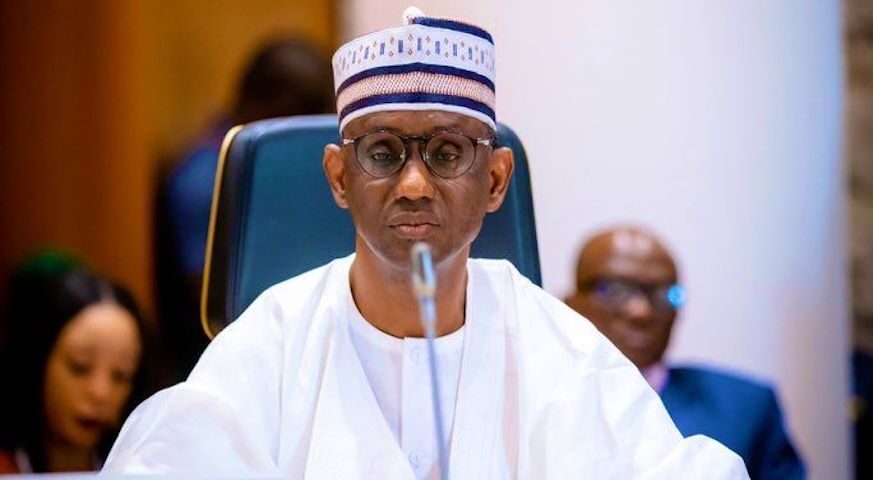
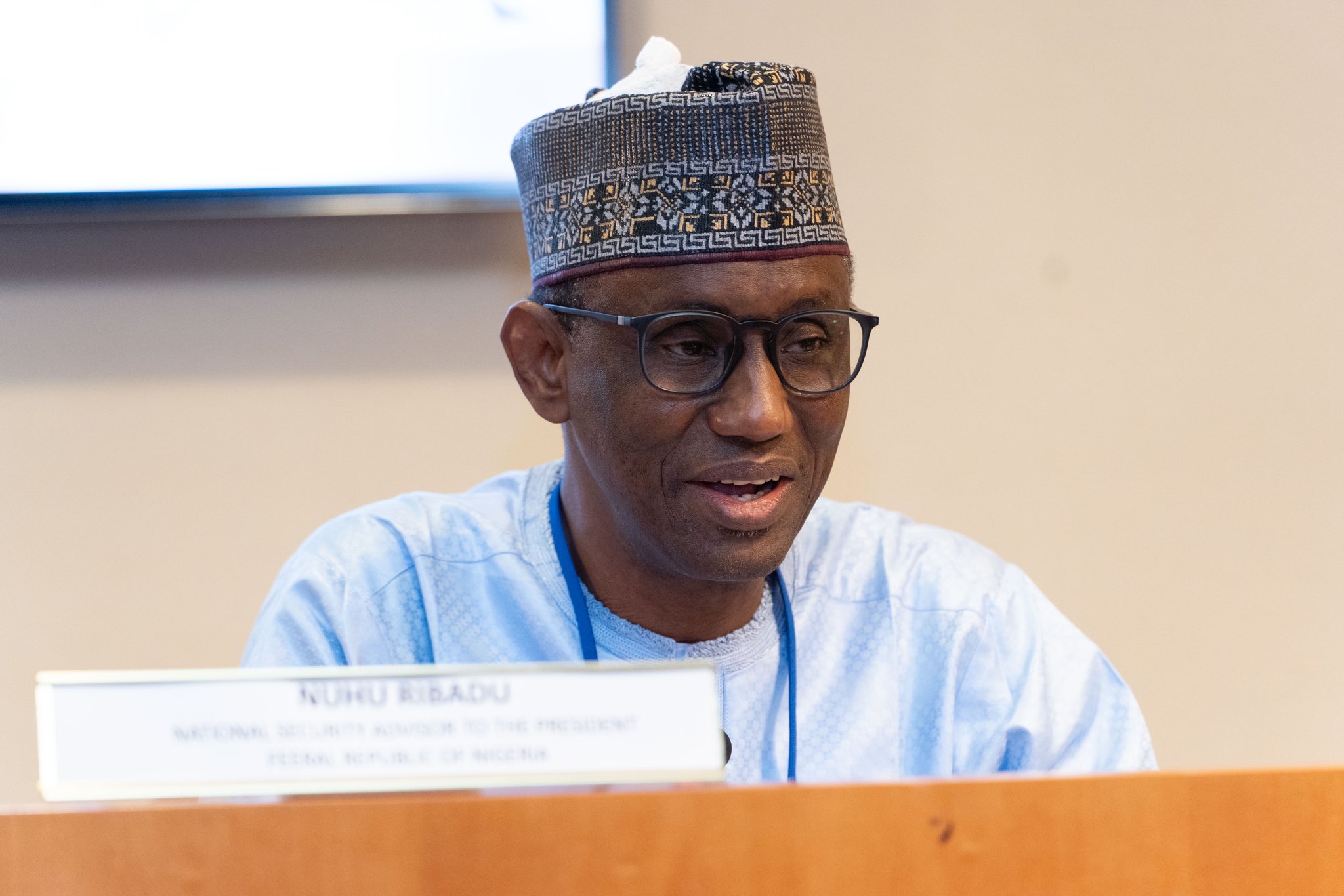
The National Security Adviser, Nuhu Ribadu, on Monday introduced a Standard Operating Procedure (SOP). This new plan aims to guide government security agencies, private surveillance contractors, and other groups involved in protecting Nigeria's oil and gas infrastructure.
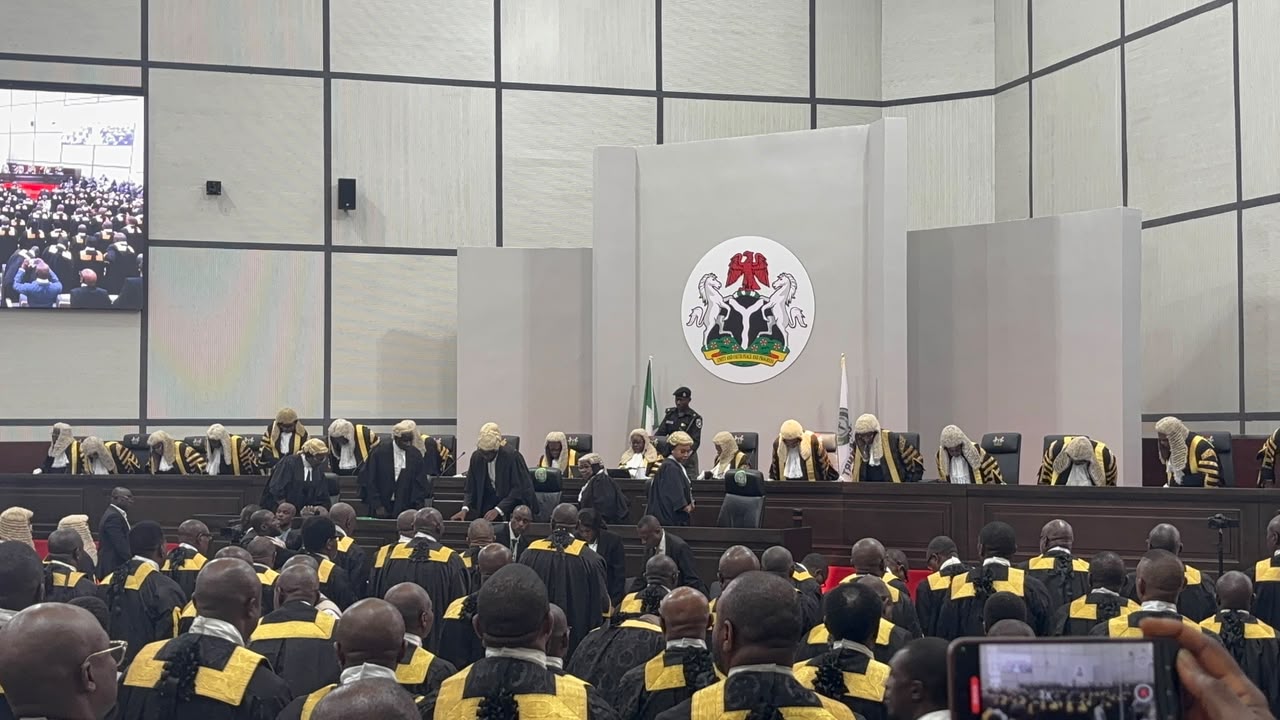
The document is called ‘Standard Operating Procedure for Government Security and Intelligence Agencies, Private Surveillance Contractors and Other Stakeholders under the Nigerian Oil and Gas Industry-Wide Security Architecture.’ It was launched at an event in Abuja that had senior government officials, security personnel, and industry stakeholders in attendance.
Mr Ribadu said Nigeria's oil and gas assets are key to the country's economy and growth. However, they face serious threats from crude oil theft, pipeline vandalism, illegal refining, and other crimes.
“These challenges show the urgent need for a coordinated national plan based on teamwork, clear roles, and discipline,” he stated.
Mr Ribadu mentioned that the SOP was created after discussions with the Armed Forces, security agencies, the Nigerian National Petroleum Company Limited (NNPCL), regulators, private surveillance firms, and other stakeholders.
He said the purpose of the document is to improve teamwork, clarify command structures, encourage lawful behavior, and standardize procedures for surveillance, arrests, detention, and moving recovered petroleum products.
The NSA described the SOP as a useful tool to enhance coordination, decrease operational clashes, boost accountability, and protect vital national facilities. He added that it would help maintain the benefits already achieved through the security collaboration initiative in the industry.
In his remarks, Bashir Ojulari, the NNPCL Group Chief Executive Officer, who spoke on his behalf at the event, stated that security is vital for Nigeria's oil and gas sector. This is because security affects government income, investor trust, ongoing operations, environmental safety, and the welfare of local communities.
“Every barrel safely delivered to a terminal shows the teamwork of various institutions and people working in tough conditions,” he said.
Mr Ojulari recalled that Nigeria's crude oil and condensate production dropped to about 950,000 barrels per day in August 2022. This drop was due to major trunklines being unavailable for long periods, causing terminal receipts to fall below expected levels.
He noted that this decline impacted government revenue, industry operations, local communities, and the environment in the Niger Delta.
He stated that the Industry-Wide Security Architecture was created because no single organization, operator, or contractor could secure Nigeria’s oil and gas infrastructure alone.
Mr Ojulari said protecting these assets requires shared intelligence, clear responsibilities, organized field operations, and ongoing engagement with local communities.
He pointed out that the expansion of the security architecture has increased the number of institutions working in the same security space, which creates a need for common procedures to guide their actions.
Without a shared framework, he warned that confusion could occur over command structures, incident escalation, evidence handling, reporting lines, and coordination between security agencies and industry operators.

“Those who attack our national assets take advantage of such gaps,” he said.
He explained that the SOP sets out common procedures for surveillance, intelligence sharing, incident reporting, joint operations, arrests, investigations, prosecution support, surveillance technology, and managing recovered hydrocarbons.
The document also places the Command and Control Centre at the center of shared awareness and strengthens procedures for handling evidence. This aims to make sure that successful operations lead to credible prosecutions and convictions, Mr Ojulari added.
He expressed that NNPCL supports the goals of the SOP and the idea of a united, intelligence-driven, and accountable security system. However, he mentioned that some parts need further review and suggested a 60-day period for stakeholders to refine the document and establish the necessary agreements.
He said that parts of the SOP that assign responsibilities to NNPCL and its partners would go through the company’s internal review and approval process, including its board when needed.
“This should not be seen as a retreat from commitment. Instead, it aims to ensure that our responsibilities are clear, properly authorized, sustainable, and can be effectively implemented,” he remarked.
Mr Ojulari encouraged both international and local operators to engage with the SOP positively, stating that its success will rely on practical ownership by all involved, including government agencies, operators, contractors, and local communities.
He mentioned that implementation should include clear accountability, ongoing training, secure information sharing, regular reviews, and measurable performance indicators.
He added that the document should be evaluated based on its effect on personnel and community safety, infrastructure reliability, oil losses, environmental protection, production, and investor trust.
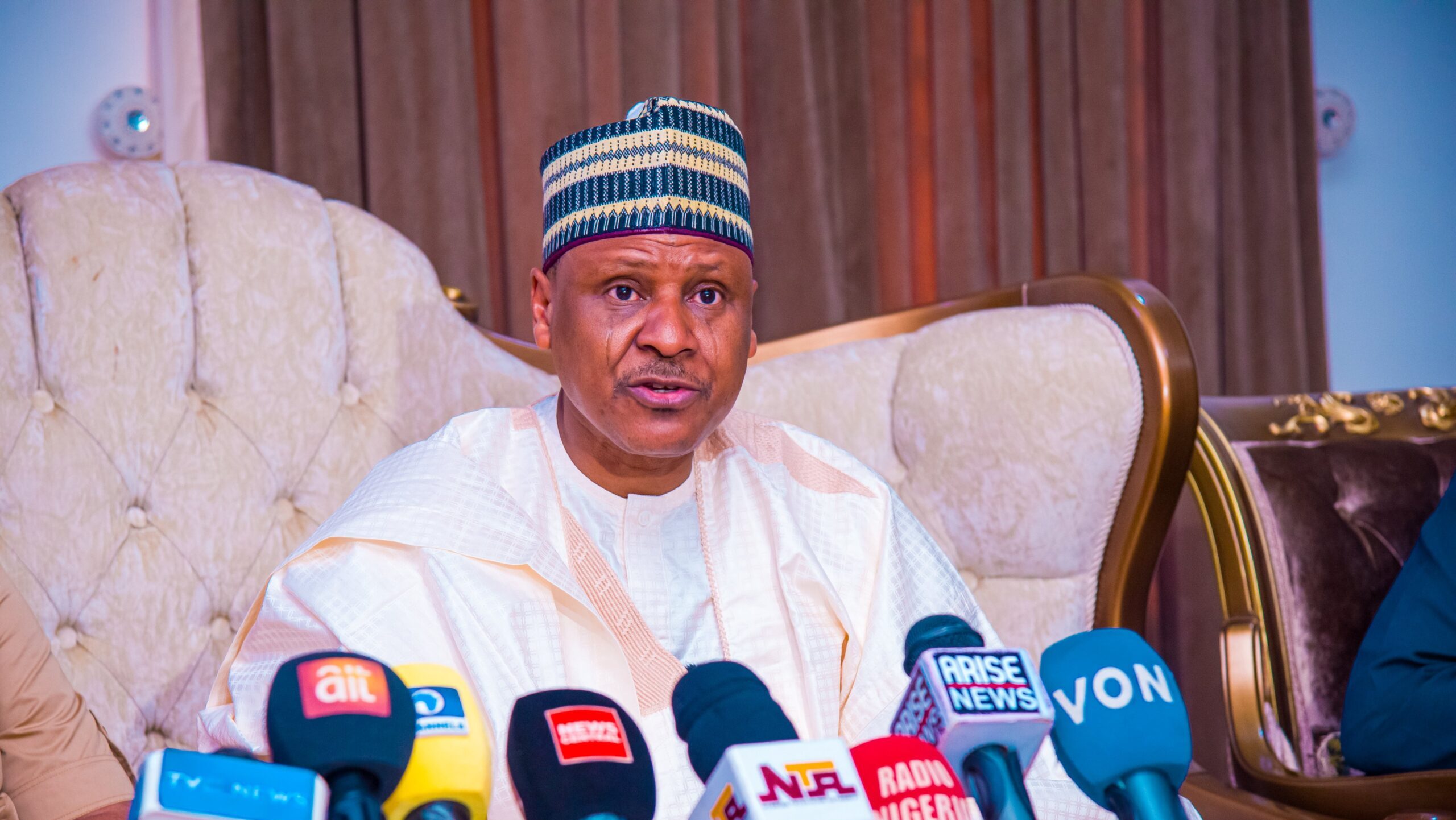
Ahmed Audi, the Commandant-General of the Nigeria Security and Civil Defence Corps (NSCDC), spoke about the SOP's importance for protecting Nigeria’s oil and gas assets, which are crucial to the economy and national security.
Mr Audi said the NSCDC is doing its part to protect the country’s oil and gas infrastructure. He also noted that the corps had dismissed several officers found guilty of misconduct while on duty in the Niger Delta.
In closing, Mr Ribadu emphasized that the SOP's success will depend on how well it is implemented. He urged all involved agencies, operators, and partners to share its provisions with their teams and relevant personnel.
He called on stakeholders to maintain professionalism, share information, respect institutional mandates, and follow laws and established procedures.


Drop your comment
No comments yet — be the first to drop the gist 👇