
Africa’s Global Bank, United Bank for Africa (UBA) Plc, has called for better sharing of information and teamwork among banks, telecoms, regulators, and law enforcement. This is to tackle the rising threat of digital fraud.
This call came during a panel discussion on The Changing Face of Digital Fraud: Staying Ahead of Emerging Threats. This event was part of the bank’s 2026 Fraud Awareness Week, themed “Fraud Dynamics: Staying One Step Ahead.”
The hybrid session took place at UBA’s Head Office in Lagos on Friday, 20 November 2026. It was also streamed live on YouTube and Zoom. Many regulators, law enforcement officials, telecoms companies, and industry leaders attended, along with UBA’s Board, management, staff, and others who joined online.
UBA’s Group Managing Director/CEO, Oliver Alawuba, was represented by Group Deputy Managing Director, Chukwuma Nweke. He stressed that sharing information quickly among all parties is key to spotting suspicious activities, preventing fraud, and keeping customers safe.
He pointed out that more people using digital channels for transactions gives fraudsters chances to exploit weaknesses in banking systems and customer data. These threats include phishing emails, fake text messages, account takeovers, SIM fraud, and misuse of digital banking.
“Think about a suspicious SIM change followed by an unusual transfer. The telecoms company sees the first warning sign, while the bank sees the second. Sharing information on time can help us protect customers,” he said.
In his speech, UBA’s Group Chief Internal Auditor and host of the event, Eugene Inotu, said preventing fraud is everyone's job. He urged staff to go beyond just being aware and to actively identify, stop, and report fraud.
“The best fraud incident is the one we prevent, not the one we successfully investigate,” he stated.
He also advised customers to be careful when they get unexpected calls, strange messages, or fake websites pretending to be UBA or other banks.
“Customers should ignore these suspicious messages and contact us through our verified channels to report them,” he said.


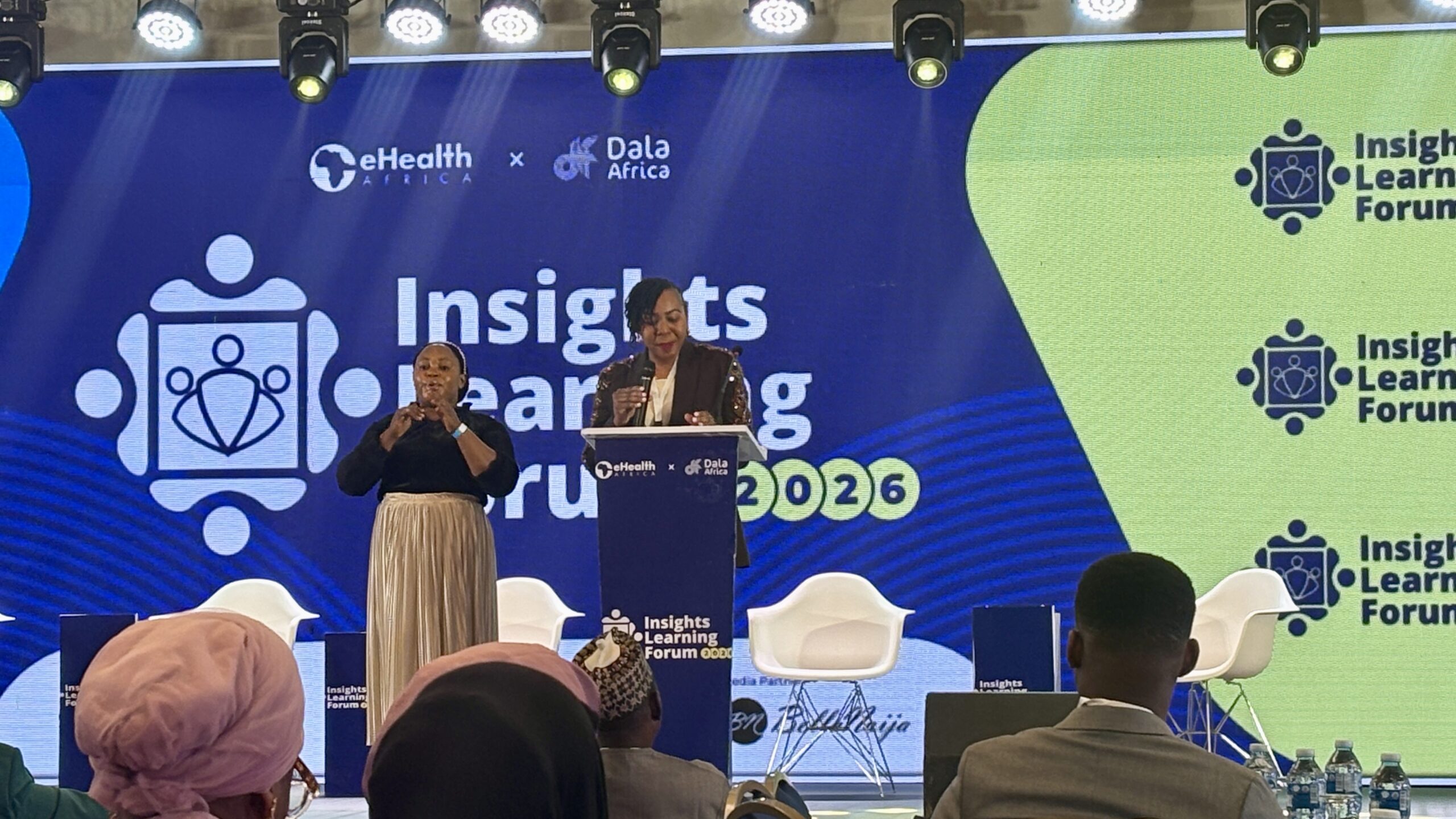
Wemimo Oluwalade, Managing Director of WSC Technologies Limited, gave the keynote speech. He said fraud has grown from just a transaction issue to a wider problem for businesses. A single incident can involve stolen identities, social engineering, compromised devices, mule accounts, insider help, and weak vendor controls.
“The question we should ask ourselves is: how do we check what is real? Fraudsters see the whole process, and they design their attacks around the weak points,” he said.
The panel session was led by Oluwatosin Obadimu, Manager of Industry Fraud Desk at the Nigeria Inter-Bank Settlement System (NIBSS). Other panelists included ACP Ty Mahmud from the Nigeria Police Special Fraud Unit, Sunday Alani, Revenue Assurance and Fraud Management Manager at Globacom, and Aina Amah, Chairperson of the Association of Chief Audit Executives of Banks in Nigeria (ACAEBIN).
Speaking about the human side of financial fraud, Mahmud said that exploiting trust is a major threat to banks. He mentioned that internal compromise makes up about 70 percent of cases the police's fraud units handle.
“In every situation, fraudsters first attack the people, not the system,” he stated.
Alani highlighted the role of telecoms in fighting digital fraud. He pointed out that SIM swap fraud is a big risk in digital banking, especially since one-time passwords (OTPs) are often sent to customers’ SIM cards.
“If I can swap your SIM, then I control your account. The OTP that the bank sends goes to me,” he explained.
Amah noted the need to anticipate and respond to new threats. She said investing in fraud prevention technology should be seen as a smart move, not just an expense.



Drop your comment
No comments yet — be the first to drop the gist 👇