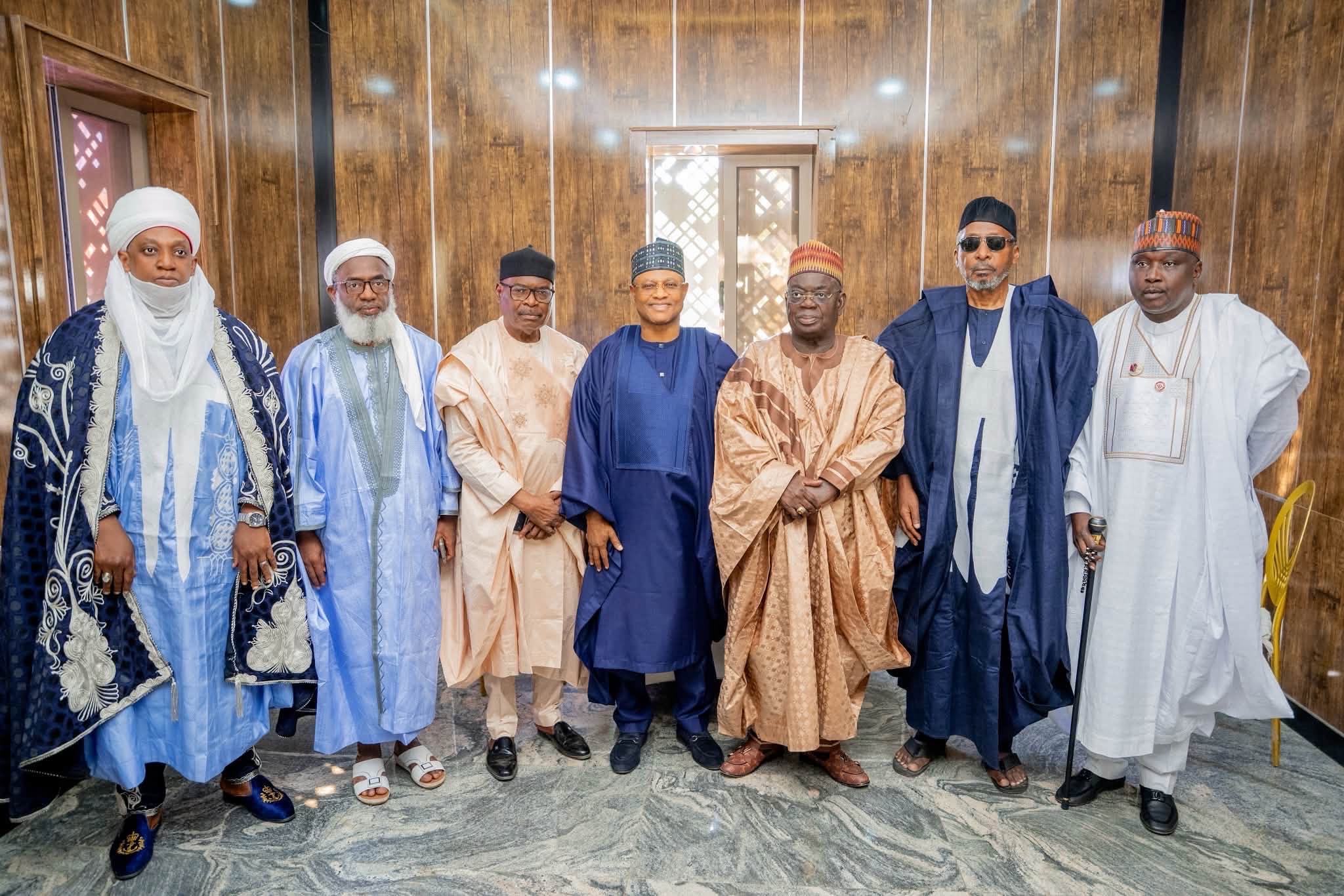
Kaduna State Governor, Uba Sani, has urged past and present Northern leaders to work together on a development agenda for the region. He noted that past governments have strayed from the vision set by the late Premier of Northern Nigeria, Sir Ahmadu Bello.
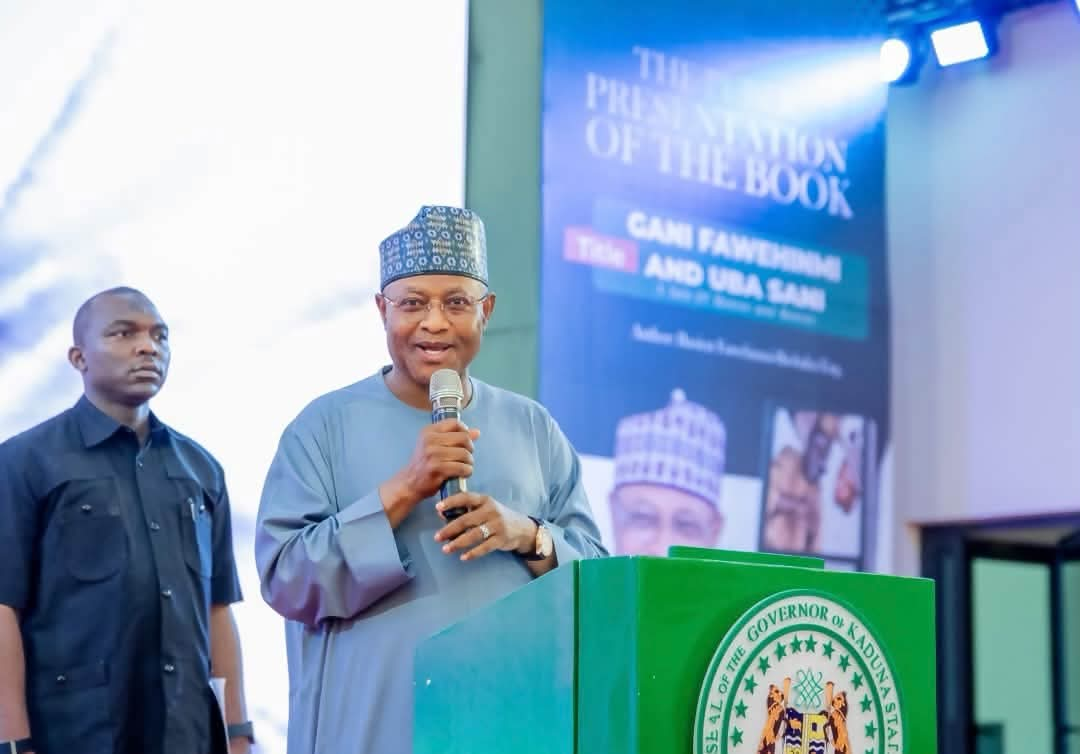
Mr Sani made this statement on Wednesday at a summit on Good Governance, Inclusivity, and Sustainable Development organized by the Sir Ahmadu Bello Memorial Foundation in Kaduna.
He asked the foundation to gather Northern leaders from all political sides to create a shared plan to tackle the region's development problems, following the vision of the late premier.
The governor said Northern leaders need to look honestly at their past actions and admit their failures, stating that they have let the people down, including himself.
He criticized politicians who seek votes for the 2027 general elections by using ethnic and regional sentiments. He said they should focus on their records in office and present real plans for the region.
Mr Sani argued that candidates asking Northerners for support based on their roots should explain what they have done for the region while in public office.
The governor linked some of his administration's successes to support from President Bola Tinubu. He thanked the president for his help in Kaduna State over the last three and a half years.
He mentioned that he contacted the president about the Abuja-Kaduna-Kano highway, which he called a vital route connecting northern and southern Nigeria.
According to him, after his intervention, the federal government released billions of naira for the project, which is now about 95 percent complete.
He also shared that he and the Speaker of the House of Representatives, Tajudeen Abbas, asked Mr Tinubu about the planned Kaduna Light Rail Project.
Mr Sani said the president approved $865 million for the project, and the contract has been signed. A groundbreaking ceremony is expected during the president's visit to Kaduna in the next two weeks.
He described the project as a big step for the state, making it the second in Nigeria to have a light rail system.
The governor highlighted his administration’s achievements since taking office on 29 May 2023, especially in pensions, transportation, security, and agriculture.
He said his government inherited pension debts of about ₦24 billion but has paid over ₦21 billion to 9,683 retirees and families of deceased public workers.
He added that they have introduced 100 buses under a free compressed natural gas (CNG) transport scheme, serving 5.2 million passengers and saving over ₦5 billion for commuters.
On security, Mr Sani noted that insecurity had previously stopped some communities from accessing schools and farms. The Kaduna Peace Model has helped farmers reclaim over 500,000 hectares of farmland.
He claimed that no school in the state is closed due to insecurity, stating that his administration has increased annual agricultural allocations from ₦1.48 billion to over ₦100 billion.
According to him, more than 69,000 smallholder farmers have received improved agricultural inputs, and over 1,400 truckloads of fertiliser have been distributed to more than 500,000 farmers across the state’s 23 local government areas.
Meanwhile, former Niger State Governor and Chairman of the Foundation’s Board of Trustees, Mu’azu Babangida Aliyu, has endorsed Mr Sani for a second term in the 2027 governorship elections. He praised the governor for his work in key areas.

Mr Aliyu said the governor has done well in security, education, healthcare, agriculture, infrastructure, and human capital development. He believes Kaduna needs continuity to build on these achievements.
He particularly commended Mr Sani for bringing back peace and harmony to a state that had faced ethno-religious crises and banditry.
He said farmers are back on their farms, schools that were closed have reopened, and Muslims and Christians are living peacefully together.
“Let us not gamble with peace. Let us not abandon progress midway. I call on all indigenes of Kaduna State to come out in 2027 and vote for Governor Uba Sani for a second term, for the sake of continuity, stability and development,” he said.
The Director-General of the foundation, Abubakar Gambo Umar, also praised the governor’s inclusive leadership. He said Kaduna needs leadership that brings people together rather than divides them based on ethnicity, religion, or social background.
Mr Umar stated that leadership should be judged by character, ideas, and results, not by fear or stereotypes. He argued that Kaduna, as the headquarters of Northern Nigeria, has wider implications for the region's development.
In his remarks, the Speaker of the House of Representatives, Tajudeen Abbas, represented by the Deputy Leader of the House, Ado Doguwa, called for accountability, constructive criticism, and inclusive governance as key elements for lasting development.
Mr Abbas praised the foundation for creating a space to discuss security, good governance, and development. He described Kaduna as crucial to Nigeria’s political, economic, and social growth.
He said good governance should be judged by leadership qualities, institutional integrity, responsible management of public resources, and the impact of policies on citizens.
He identified transparency, accountability, responsiveness, and respect for the law as key principles of effective governance.
The Speaker also commended Mr Sani for allowing his administration's programs and projects to be examined closely, which shows a commitment to democratic accountability and better service delivery.
On security, he acknowledged ongoing challenges in parts of Kaduna, especially recent attacks in Southern Kaduna, and expressed sympathy for affected families.
He said protecting lives and property is a basic responsibility of government. He recognized the Kaduna Peace Model, cooperation among agencies, intelligence sharing, and community involvement as key parts of efforts to restore security.
He also highlighted the creation of the Disarmament, Demobilisation, and Reintegration Peace and Security Committee, collaboration with federal security agencies, and the Kaduna Vigilance Service as initiatives to improve security.
He stressed that lasting peace requires more than just security actions, calling for ongoing dialogue, reconciliation, trust, and community participation.
The Speaker urged everyone involved to ensure that the summit results in useful recommendations and not just praise.
He reaffirmed the National Assembly’s commitment to responsible laws, effective oversight, and stronger collaboration among all levels of government to turn public resources into real benefits for citizens.
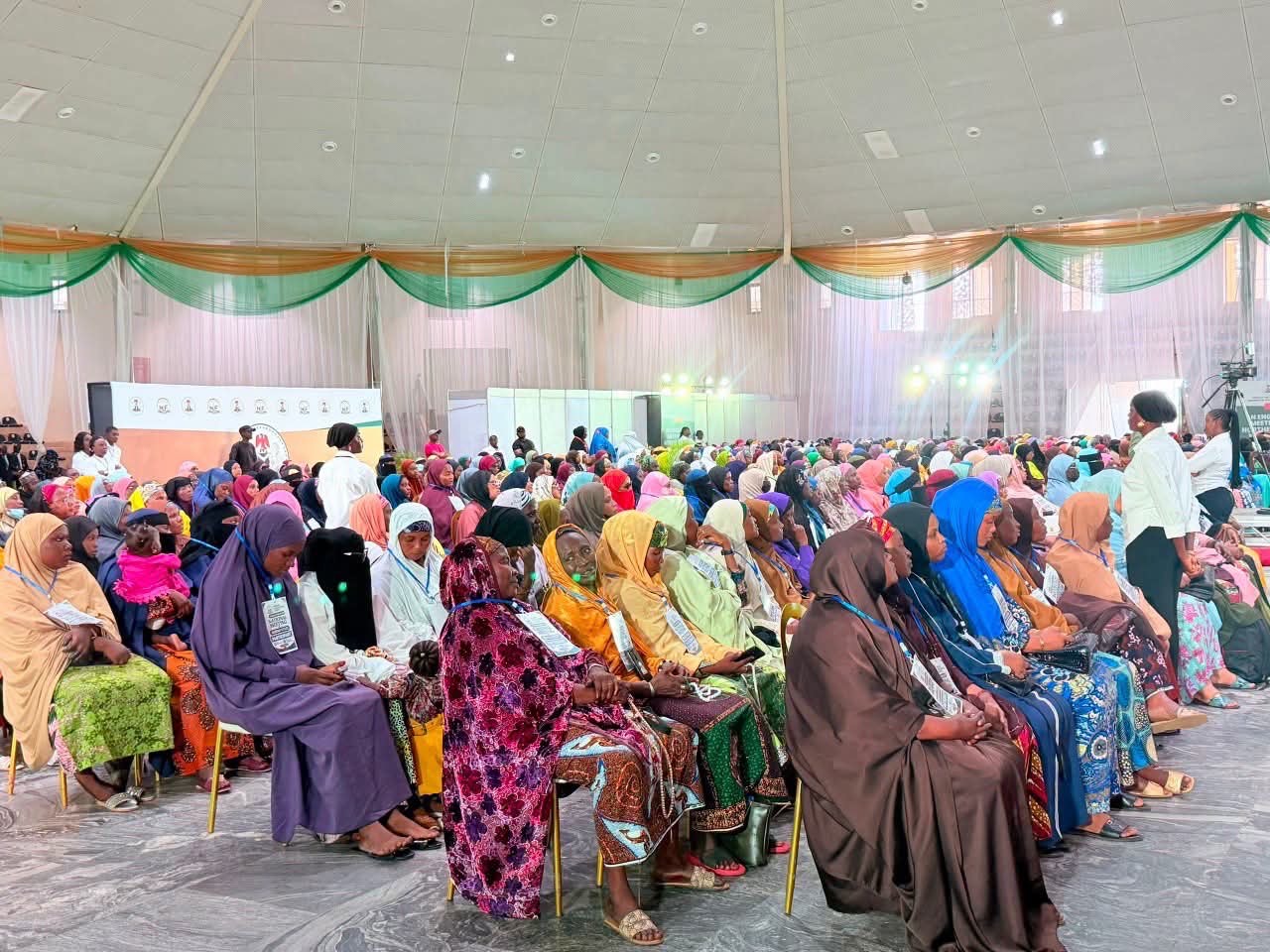
The summit gathered government officials, traditional rulers, civil society leaders, development partners, and others to discuss inclusivity, good governance, and sustainable development in Kaduna State.
Drop your comment
No comments yet — be the first to drop the gist 👇