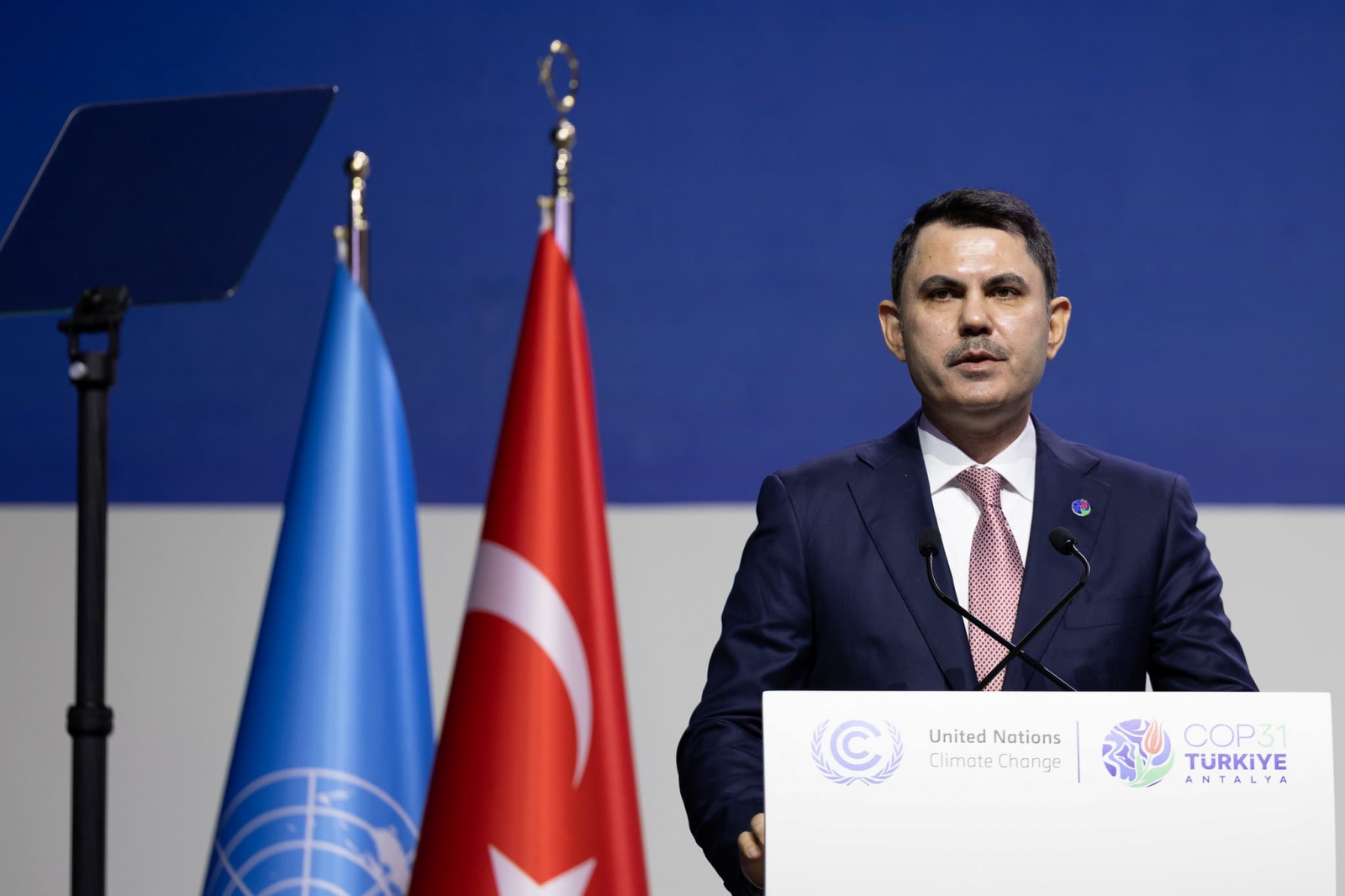
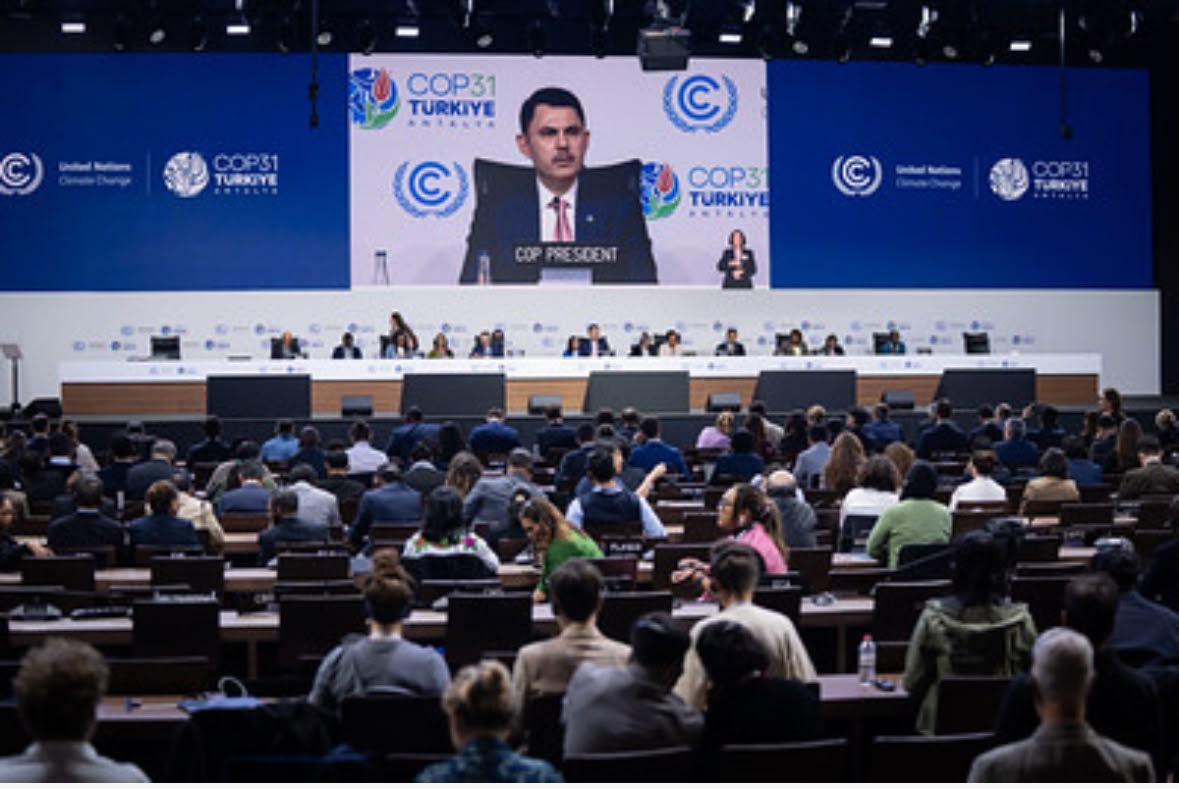
United Nations Secretary-General António Guterres has called out powerful fossil fuel companies for their impact on global climate efforts. This came after countries could not agree on a main deal at the 31st United Nations Climate Change Conference (COP31) in Antalya, Türkiye.
In a statement after the conference, Guterres expressed his disappointment with the results. He warned that not reaching an agreement is troubling, especially as rising temperatures and worsening weather events demand urgent action.
He noted that disagreements among countries do not change the scientific facts about the climate crisis or the need to move away from fossil fuels faster. "I am deeply disappointed that COP31 has ended without consensus on an overarching outcome," he said.
"I share the very profound frustration of all those who expected governments to rise to the moment the climate crisis demands."
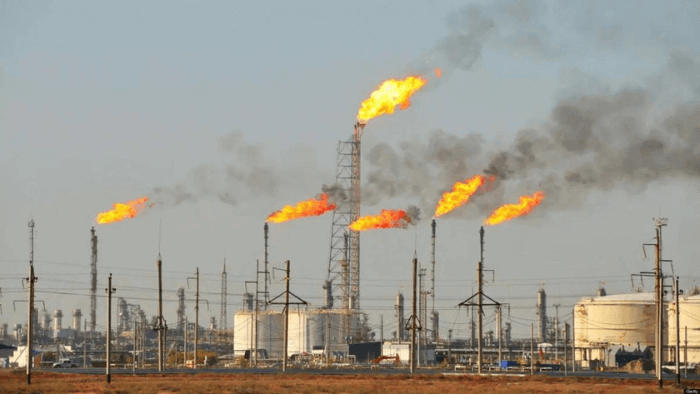
Guterres warned that relying on coal, oil, and gas worsens the climate crisis and puts economies at risk of energy price shocks. He said, "Those who profit from the destruction of our planet must never dictate the terms of the fight to save it."
He accused fossil fuel companies of using tactics like those used by the tobacco industry. These include distorting scientific facts, delaying policy decisions, and blocking climate action. "Yet powerful fossil fuel interests continue to take a page from Big Tobacco’s playbook: distorting the science, delaying policy, blocking action, and piling up huge profits while people everywhere pay the price," he said.
Guterres’s comments came after negotiators at COP31 could not agree on a main deal after long disagreements over transitioning from fossil fuels, climate finance, and other tough issues. The conference started on 9 November and was supposed to end on 20 November but went over as countries struggled with their differences.
Earlier drafts of the conference's proposed cover decision included plans for moving away from fossil fuels and increasing adaptation finance for developing countries. However, a new draft shared on 19 November removed mentions of moving away from fossil fuels and cut a previous proposal for at least $120 billion annually for adaptation by 2035.
These changes received backlash from climate activists. They argued that dropping clear commitments on fossil fuels and weakening financial terms could undermine past climate agreements. The failure to adopt a main deal does not mean all decisions made during the conference were useless. Decisions made on other negotiating matters are separate from the proposed main agreement.
Beyond the debates, Guterres warned that the world is getting close to a dangerous level of global warming. Under the 2015 Paris Agreement, countries promised to keep the rise in global average temperature below 2°C above pre-industrial levels while trying to limit the increase to 1.5°C.
But global greenhouse gas emissions are still too high for the world to meet the more ambitious temperature goal. Guterres said the world is now likely to exceed the 1.5°C limit. This makes immediate emissions reductions necessary to limit how much the threshold is exceeded. "There may be no consensus in the negotiating room. There is no ambiguity in the science," he said.
"Temperatures keep shattering records. Climate extremes keep intensifying. Emissions remain far too high. And every delay makes our task harder and more costly."
He urged major polluters to lead efforts to cut greenhouse gas emissions quickly this decade. He also called on developed countries to meet their climate finance promises. Guterres reminded everyone of the agreement made at COP28 in Dubai in 2023, where countries committed to moving away from fossil fuels in a fair and orderly way.
This was the first time a UN climate summit explicitly called for an end to fossil fuel reliance. Guterres said the focus should now be on making that commitment happen instead of letting disagreements at future conferences slow down progress.
He welcomed countries working on clear transition plans and called for ongoing efforts on the roadmaps put forward by Brazil during COP30. He said the UN Climate Promise initiative would help countries turn these plans into real actions. "The task now is to accelerate that transition, finance and deliver it," he said.
Guterres also repeated calls for developed countries to boost financial support for vulnerable nations facing climate change impacts. Adaptation finance was a key disagreement at COP31, especially about the amount of funding, who is responsible, and how financial promises would be met.
Developing countries have often said that the lack of reliable funding makes it tough to shield communities from floods, droughts, extreme heat, and other climate-related disasters. He urged developed nations to keep their promise to triple adaptation finance, stressing that financial pledges must come with clear commitments and timelines. "Put dates and dollars behind that pledge now. Lives depend on it," he said.
He added that countries that contribute the least to global greenhouse gas emissions should not have to deal with the worst effects of the climate crisis without enough international help. "The countries that did least to cause this crisis cannot be left to face its worst consequences alone. This is a matter of climate justice," he said.
Despite the disappointing outcome, Guterres believes that real progress on climate action will be measured by implementation instead of just words in international agreements. He pointed out that reducing dependence on fossil fuels, expanding clean energy, modernizing electricity grids, cutting methane emissions, restoring forests, and improving access to climate finance are vital steps.
He also highlighted the need to strengthen protection against extreme weather, including through the UN’s Early Warnings for All initiative. The Secretary-General thanked the Turkish government, COP31 President Murat Kurum, President of Negotiations Chris Bowen, and the UN climate secretariat for their efforts during the conference.
He asked civil society groups, young people, Indigenous Peoples, scientists, and vulnerable communities to keep pushing for accountability from governments and businesses. "The climate crisis will not wait for governments to find common ground. Neither can we," he said.
"Hold governments and companies to account. And never relent in the fight for climate justice."

Drop your comment
No comments yet — be the first to drop the gist 👇