Political opposition to any candidate, party, or government is not just allowed, it is crucial for democracy. But using violence to intimidate others over their political views or support is wrong, no matter who does it. The right to vote for any candidate or to work for any legal political campaign is not Haram. What is truly Haram is the culture of violence, intimidation, and character assassination that makes civic engagement in Nigeria feel like a dangerous act.
Many Nigerians, especially in the North, are scared to get involved in politics. Their fears are real: threats, violent attacks, and social isolation can come to anyone who openly supports a candidate or joins a political party. The atmosphere is so tense that it stops even the most civic-minded people from getting involved.
What makes this situation more troubling is the irony: the social critics who often hold power accountable face the worst backlash when they think about joining politics themselves.
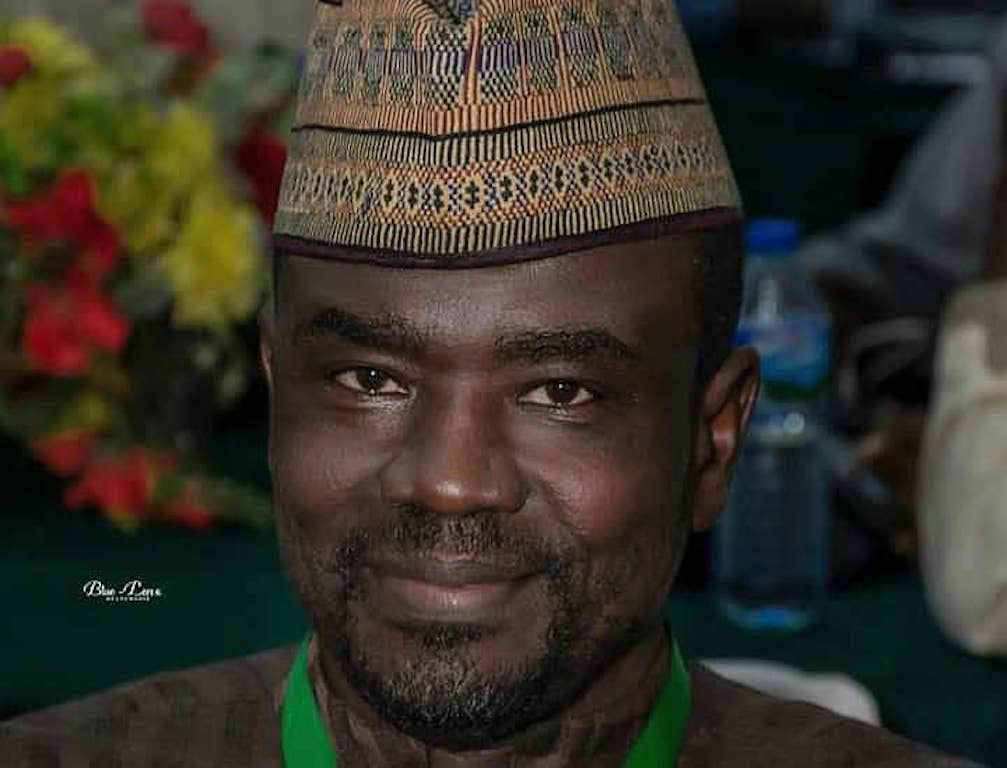
A clear example of this is Mallam Ali Isa Pantami. He is an Islamic scholar and a cybersecurity expert, known widely in the North. He broke the mold by joining politics and the very party he had criticized before. Some intellectuals and critics tried to disrespect him for this. But Pantami stood firm, responding to his critics with logical explanations for his decision. The difference between his calm approach and the anger of his critics was very clear.
In this context, we should look at what is happening with two respected voices from the North: Bulama Bukarti, who lives in the United Kingdom and has built a strong reputation as a security analyst, and DanBello, a Nigerian-American who has made a name for himself in international media, promoting good governance and fighting corruption.
There is a lot of talk about their involvement in politics. As of now, neither has openly responded to the criticisms against them. This brings up an important question: When is it Haram for someone to support a candidate, take part in politics, or join a party?
I know some of the people being attacked. They are independent professionals who help their communities through scholarships and empowerment projects without seeking political power. I also know others who can maintain friendly ties with those in power while still criticizing them without any conflict.
Political activism does not fit into one box. Some critics speak openly while quietly giving praise in private. Others support loudly but are critical when alone. Neither way is necessarily dishonest, both are strategies for setting an agenda. The hypocrisy, if it exists, is often not where the critics claim.
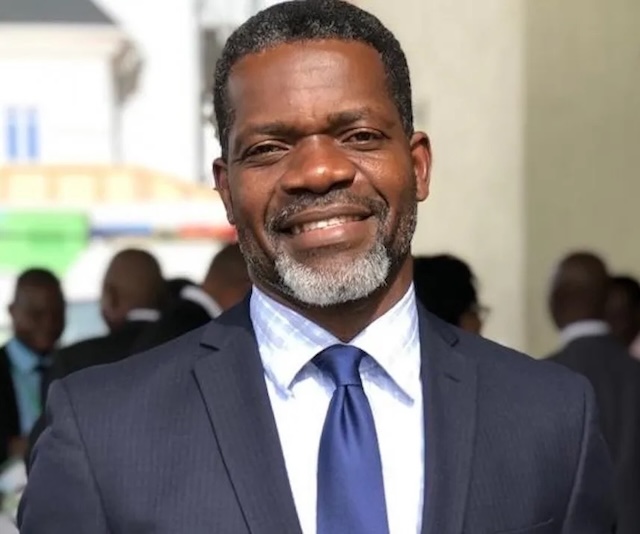

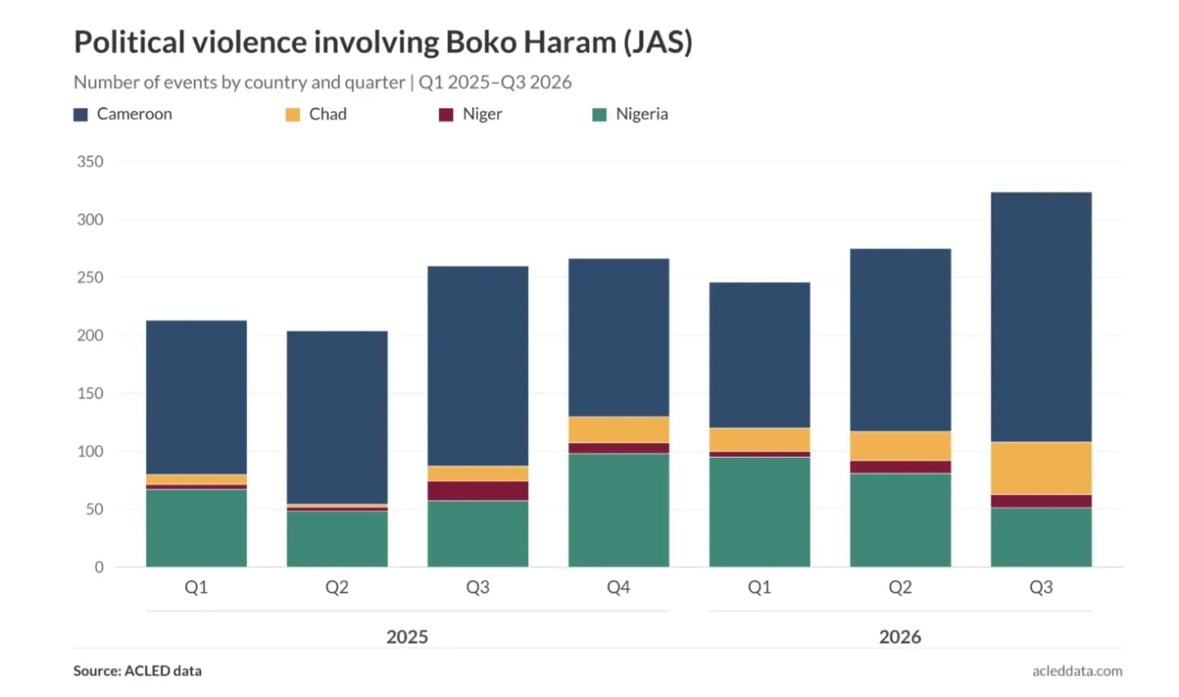
I believe the backlash against Bukarti, DanBello, and others is mainly due to a lack of clear communication. They did not take the time to explain their positions before the rumors started. This silence, whether private or strategic, left a space for critics to fill with accusations of betrayal.
From what I understand, Bukarti was simply backing a candidate he believes can deliver results. DanBello was providing legitimate consultancy in strategic communication and advocacy, which is normal worldwide. I see nothing Haram in these actions.
What I find troubling is the nature of the backlash. Is this anger based on real principle or jealousy because those targeted have moved ahead and want to achieve more? Is it a case of betrayal being projected by those who feel abandoned? These are uncomfortable questions, but they must be asked.
There is a wider and scarier aspect to this political intolerance issue. The reported stoning of President Tinubu’s convoy and the attacks on his praise-singer Kahutu Rarara in places of worship show that political frustration has reached a dangerous level. When political anger spills into a house of God, something fundamental has broken.
I will share my own experience. A few months ago, I was asked how to counter the Tinubu Must Go (TMG) campaign. I was hesitant at first. It was only when Malam Kashifu Inuwa personally contacted me that I agreed to help. I didn't just support the counter-campaign; I provided professional advice. I suggested that the movement should focus on ‘Continuity, Stability, and Prosperity.’ Since “Tinubu Should Stay” did not sound right, I recommended a more solid and legally registered name: the Tinubu Movement for Sustainable Governance Foundation, keeping the acronym TMS. I advised that their campaign strategies should be based on facts and aimed at promoting peace and good governance instead of empty praise. I was happy when those suggestions were accepted, with the support of the First Lady, Mrs. Oluremi Tinubu.
I share this because the principle I am discussing applies to me as much as anyone else: clear intentions are what set honest engagement apart from opportunism in the eyes of the public.
Political opposition to any candidate, party, or government is not just allowed, it is crucial for democracy. But using violence to intimidate others over their political views or support is wrong, no matter who does it. The right to vote for any candidate or to work for any legal political campaign is not Haram. What is truly Haram is the culture of violence, intimidation, and character assassination that makes civic engagement in Nigeria feel like a dangerous act.




Drop your comment
No comments yet — be the first to drop the gist 👇